
For Disney fans and families with young children, the excitement of unboxing a surprise toy can feel like pure magic. But as collections grow, so does the clutter. Two popular options—Mickey Fun Crash Blind Boxes and monthly toy subscription boxes—both promise joy, but they deliver very different experiences in terms of value, sustainability, and long-term enjoyment. Understanding the trade-offs helps you decide which option aligns better with your lifestyle, budget, and storage space.
The Allure of Surprise: How Each Option Delivers Disney Magic
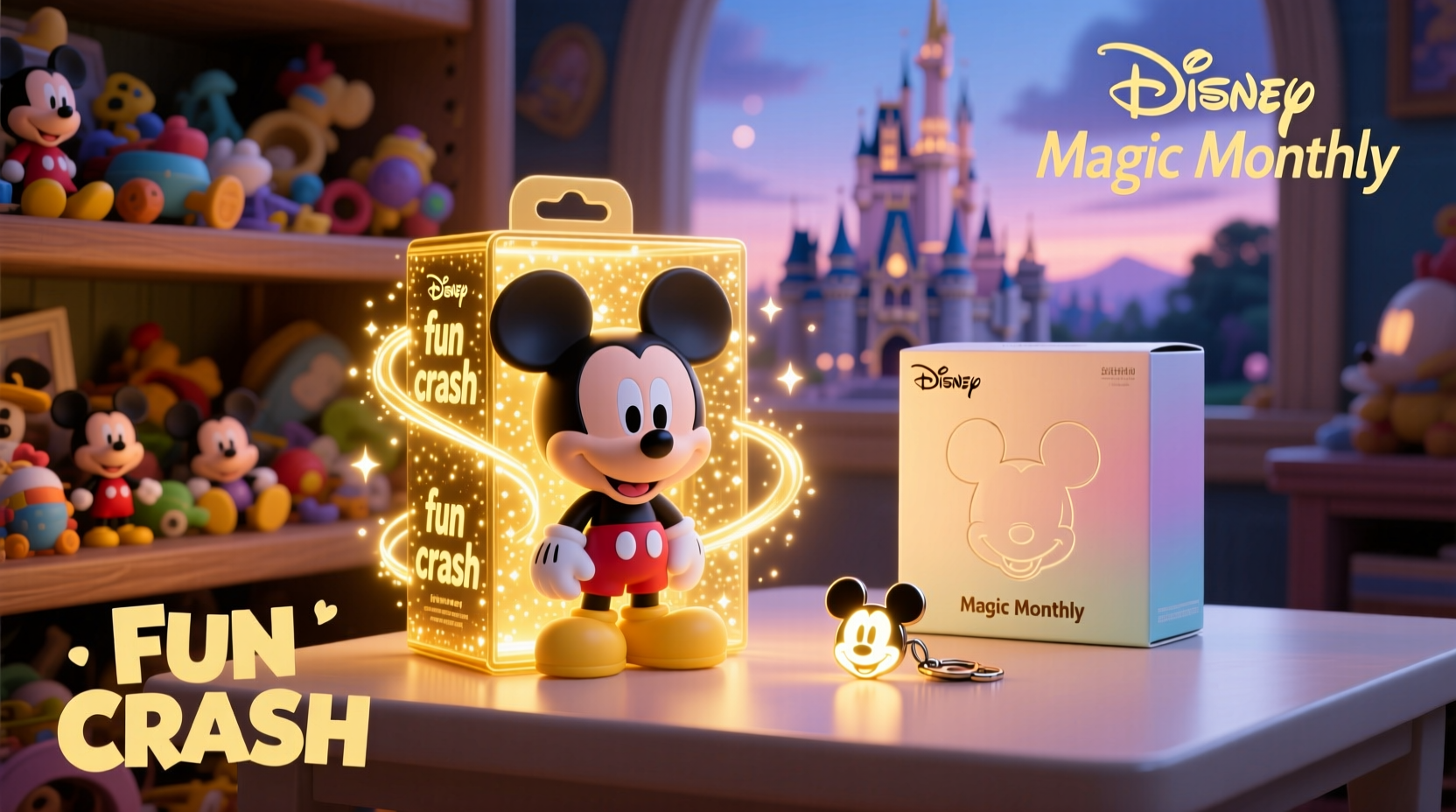
At their core, both Mickey Fun Crash Blind Boxes and toy subscription boxes tap into the thrill of discovery. The blind box format capitalizes on mystery—each sealed capsule contains a random Disney character figurine, often from a themed series featuring Mickey and friends in playful scenarios. The unpredictability fuels anticipation, similar to collecting trading cards or vintage toys.
Subscription boxes, on the other hand, offer curated Disney-themed playsets, crafts, or educational toys delivered monthly. These are typically designed with developmental milestones in mind, making them ideal for parents seeking both entertainment and engagement for their kids. While the element of surprise is present, it’s usually more predictable—subscribers know the theme in advance, even if the exact items remain unknown.
Disney magic isn’t just about characters—it’s about storytelling, nostalgia, and emotional connection. Blind boxes excel at triggering collector’s joy, while subscription services focus on immersive play and family bonding.
Clutter Control: Assessing Physical and Mental Load
One of the biggest concerns with any toy-based product is accumulation. Blind boxes, by design, encourage repeat purchases to complete a set. This “chase” mentality can lead to duplicates, unused figures, and overflowing shelves. A full 12-figure series might look impressive on display, but it also takes up space—and not every child wants to keep every piece long-term.
Subscription boxes vary widely in size and content. Some include large toys that dominate play areas; others offer compact crafts or books that integrate easily into existing routines. Many services now emphasize eco-conscious packaging and reusable components, helping reduce waste. The predictability of subscriptions allows families to plan ahead—pausing, skipping, or canceling when needed—offering greater control over clutter.
A key distinction: blind boxes add incremental items to an ever-growing collection, while many subscription models aim to replace or refresh toys periodically, minimizing hoarding.
“Parents today want meaningful play, not just more stuff. The best toys spark imagination without overwhelming the home.” — Dr. Lena Torres, Child Development Specialist
Cost Comparison Over Time
At first glance, blind boxes appear affordable—typically priced between $5 and $8 per unit. But costs escalate quickly when trying to complete a full set. With no guarantee of rarity distribution, collectors may need to buy 20 or more boxes to find the last few figures, turning a $60 investment into $120 or more.
Subscription boxes generally cost $20–$35 per month. While higher upfront, they often deliver greater perceived value through multiple coordinated items (e.g., a storybook, craft kit, and plush toy). Most services allow cancellation anytime, and some offer discounts for longer commitments.
| Feature | Mickey Fun Crash Blind Box | Toy Subscription Box |
|---|---|---|
| Price per Unit/Month | $5–$8 per blind box | $20–$35 per box |
| Avg. Items per Delivery | 1 mini figure + accessories | 3–5 themed items |
| Surprise Level | High (random) | Moderate (theme known) |
| Clutter Risk | High (accumulative) | Medium (curated, replaceable) |
| Educational Value | Low (collectible only) | High (play-based learning) |
| Flexibility | None (buy-as-you-go) | High (pause/skip/cancel) |
Real-Life Scenario: The Parker Family’s Experience
The Parkers, a family of four in Austin, Texas, tried both options over a six-month period. Initially, their eight-year-old daughter loved opening Mickey Fun Crash Blind Boxes every weekend. She completed two series and proudly displayed them in a glass case. However, duplicates piled up, and interest waned after three months. The remaining unopened boxes sat untouched on a shelf.
They then switched to a Disney-themed subscription box focused on creativity. Each month brought a new adventure—designing Minnie’s garden, building a paper castle, crafting Mickey’s rocket. The activities lasted several days, integrated with bedtime stories, and could be stored flat when done. After five months, the parents reported stronger engagement, less mess, and no unused inventory.
“We still love the characters,” said Maria Parker, “but now the magic feels active, not just decorative.”
How to Choose Based on Your Priorities
Selecting between these options depends on your goals. Consider the following checklist before deciding:
- Are you a collector or a parent? Collectors may appreciate the rarity and display potential of blind boxes. Parents often prefer developmental value and manageable cleanup.
- Do you have display space? Blind boxes require dedicated shelving. If space is limited, subscriptions with consumable or compact items may be better.
- Is surprise more important than utility? If the thrill of randomness drives joy, blind boxes win. If you value purposeful play, go subscription.
- What’s your budget rhythm? Blind boxes allow sporadic spending; subscriptions work best with consistent monthly planning.
- Can you handle duplicates? Blind box mechanics almost guarantee repeats. Subscriptions rarely repeat items within a year.
Frequently Asked Questions
Can I return or trade blind box duplicates?
No, most retailers do not accept returns on blind boxes due to their random nature. However, online communities and marketplaces like eBay or Facebook groups allow trading duplicates with other collectors.
Are Disney subscription boxes officially licensed?
Many are, but not all. Look for the official Disney logo or check the company’s website for licensing information. Reputable services like KiwiCo’s “Disney Kids Crate” or Lovevery’s collaborations are certified partners.
Do blind boxes support imaginative play?
Limitedly. The figures are primarily collectibles. While some come with small accessories, they’re often too fragile for rough play. Subscription toys are generally designed for hands-on interaction and storytelling.
Taking Action: Making Magic Without the Mess
The choice between Mickey Fun Crash Blind Boxes and toy subscription boxes ultimately comes down to what kind of Disney magic matters most to you. If the joy lies in completing a series, hunting for rare variants, and curating a nostalgic display, blind boxes offer undeniable charm. But if you value sustained engagement, developmental growth, and a home that stays organized, a well-chosen subscription service provides deeper, longer-lasting satisfaction.
You don’t have to choose forever. Try a short trial of a Disney-themed subscription while keeping blind boxes as holiday treats. Set limits—like a “one-in, one-out” rule for new toys—to maintain balance. And remember, true Disney magic isn’t measured in possessions, but in moments of wonder, laughter, and connection.




 浙公网安备
33010002000092号
浙公网安备
33010002000092号 浙B2-20120091-4
Comments
No comments yet. Why don't you start the discussion?