
Cleaning a microwave often feels like a chore few want to tackle. Over time, food splatters, grease, and dried-on residue build up on the walls, ceiling, and turntable, creating an unhygienic environment and unpleasant odors. Traditional scrubbing can be tedious and sometimes ineffective. But there’s a faster, smarter way: the microwave steam cleaning method. This technique uses nothing more than water, a few household ingredients, and the power of steam to loosen stubborn grime in under five minutes of active effort. It's safe, chemical-free, and delivers visible results with minimal elbow grease.
Why Steam Cleaning Works So Well
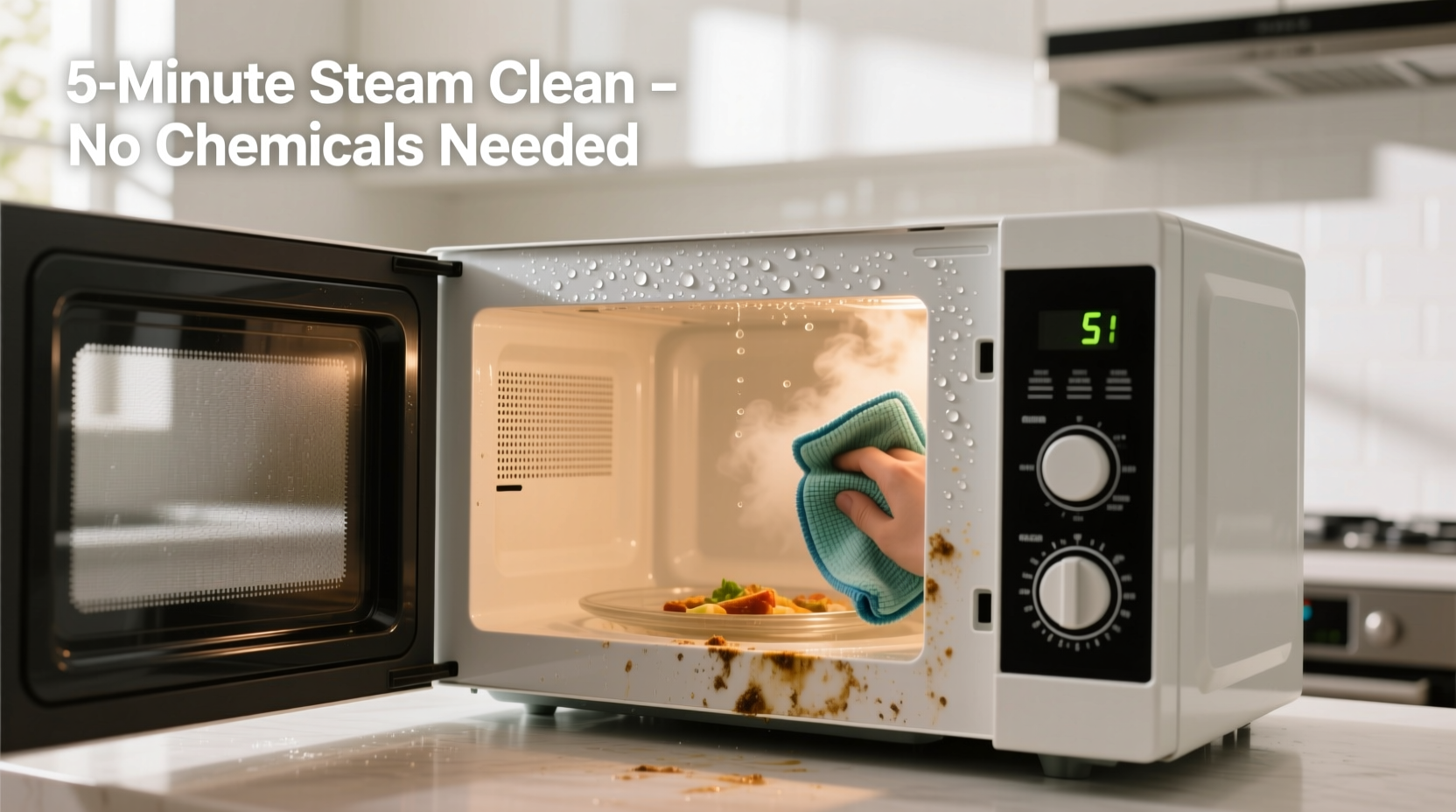
Steam is one of the most effective natural cleaning agents because it penetrates deeply into crevices and softens baked-on residues without damaging surfaces. When water heats rapidly inside a microwave, it produces high-temperature vapor that condenses on interior surfaces. This moisture saturation breaks down organic matter, oils, and sugars that make stains sticky and hard to remove.
The confined space of a microwave amplifies this effect. Unlike conventional ovens or stovetops, microwaves trap heat and humidity efficiently, turning them into ideal environments for steam-based cleaning. Within minutes, once-tough stains become wipeable with a damp cloth.
“Steam cleaning leverages physics rather than chemicals—it’s not only effective but also safer for families and pets.” — Dr. Linda Ruiz, Environmental Health Scientist
Step-by-Step: The 5-Minute Microwave Steam Cleaning Method
This streamlined process takes less than 10 minutes start to finish, with only about five minutes of actual work. Follow these steps precisely for best results:
- Remove all removable parts. Take out the glass turntable, roller ring, and any trays. Wash these separately in warm, soapy water while you clean the interior.
- Prepare the steaming solution. Fill a microwave-safe bowl with 1 cup of water. Add 2–3 tablespoons of white vinegar or the juice of half a lemon. Both ingredients boost cleaning power—vinegar dissolves grease and deodorizes, while lemon adds a fresh scent and mild acidity to cut through film.
- Heat until steamy. Place the bowl in the center of the microwave. Heat on high for 3–5 minutes, depending on your microwave’s wattage. Watch as the mixture boils and creates dense steam. Stop when the interior is fully fogged and droplets form on the walls and ceiling.
- Let it sit (passive cleaning). Keep the door closed for 2–3 minutes after heating. This allows the steam to continue softening residues without additional energy use.
- Wipe down the interior. Carefully remove the hot bowl using oven mitts. Use a soft microfiber or non-abrasive sponge dampened with warm water to wipe all interior surfaces. Most grime will come off effortlessly. For lingering spots, apply gentle pressure—no harsh scrubbing needed.
- Dry and reassemble. Dry the cavity with a clean towel. Rinse and dry the turntable and components before placing them back.
What Makes This Method Different from Conventional Cleaning?
Traditional microwave cleaning often involves spraying commercial degreasers, waiting for dwell time, scrubbing aggressively, and rinsing. These methods may leave behind chemical residues, require protective gloves, and still fail to reach tight corners. In contrast, the steam method relies on thermal action and natural solvents, making it both gentler and more thorough.
Here’s how they compare:
| Aspect | Conventional Cleaning | Steam Cleaning Method |
|---|---|---|
| Time Required | 15–30 minutes | Under 10 minutes |
| Cleaning Agents | Chemical sprays, wipes | Water + vinegar/lemon (non-toxic) |
| Scrubbing Effort | Moderate to heavy | Light wiping only |
| Ventilation Needed | Yes (due to fumes) | No |
| Suitability for Daily Use | Poor (harsh on surfaces) | Excellent (gentle and safe) |
The steam method isn’t just faster—it reduces exposure to volatile organic compounds (VOCs) found in many kitchen cleaners, aligning with eco-conscious and health-focused lifestyles.
Real Example: How Sarah Cleared a Month’s Worth of Splatter in One Go
Sarah, a busy teacher and mother of two, had neglected her microwave for weeks. Between packed lunches and quick dinners, splashes of tomato sauce, melted cheese, and oatmeal had accumulated into a hardened layer across the ceiling and sides. She’d tried wiping it down once with a disinfectant wipe, but only smeared the mess further.
One Sunday morning, she decided to try the steam method she saw online. She combined water and vinegar in a ceramic bowl and heated it for four minutes. After letting it sit, she opened the door to find the entire interior glistening with condensation—and the stains visibly softened.
With a single pass of her sponge, nearly all the grime lifted away. The worst spot, near the vent, took slight pressure but came clean within seconds. Total hands-on time: four minutes. “I couldn’t believe it,” she said later. “It looked like it had never been used. And no weird smells afterward.”
She now repeats the process every two weeks as part of her kitchen routine, preventing buildup before it becomes a problem.
Maximizing Results: Pro Tips and Variations
While the basic method is highly effective, small adjustments can enhance performance based on your situation:
- For strong odors: Add citrus peels (like lemon or orange) to the water-vinegar mix. The essential oils help neutralize lingering smells from fish, garlic, or burnt popcorn.
- For greasy residue: Increase vinegar to ¼ cup. Its acetic acid content breaks down fats more effectively than water alone.
- If you don’t have vinegar: Baking soda can be used on the exterior or turntable, but avoid mixing it directly with vinegar in the bowl during heating—it creates foam and reduces steam efficiency.
- For deep stains: Repeat the steam cycle once. Two rounds of steaming usually eliminate even month-old spills.
- Prevent future buildup: Cover food with a microwave-safe lid or paper towel during heating to minimize splatter at the source.
Frequently Asked Questions
Is it safe to put vinegar in the microwave?
Yes, vinegar is completely safe to heat in the microwave when diluted with water. The small amount used poses no risk, and the vapors are non-toxic. However, avoid inhaling concentrated steam directly—open the door slightly away from your face.
Can I use this method on a self-cleaning microwave?
Absolutely. Even microwaves with a \"self-clean\" function benefit from this manual steam treatment, especially if stains persist after automated cycles. The user-controlled method allows targeted attention to problem areas.
How often should I clean my microwave using this method?
For most households, a monthly steam clean is sufficient. High-use kitchens (e.g., families, meal-preppers) should do it every 2–3 weeks. A quick wipe after messy meals helps maintain cleanliness between sessions.
Essential Checklist: Your 5-Minute Steam Clean Routine
To ensure consistent success, follow this checklist each time:
- ✅ Remove turntable and wash separately
- ✅ Mix 1 cup water + 2–3 tbsp vinegar or lemon juice in a microwave-safe bowl
- ✅ Heat on high for 3–5 minutes until steam forms
- ✅ Wait 2–3 minutes with door closed
- ✅ Wipe interior with a soft, damp cloth
- ✅ Dry thoroughly and reassemble
- ✅ Store bowl for next use (or label it “Microwave Cleaner”)
Keep this list taped inside a kitchen cabinet or saved in your phone notes for quick reference. Turning it into a habit ensures your microwave stays hygienic and odor-free year-round.
When Not to Use the Steam Method
While highly effective, this technique has limitations:
- Severe mold growth: If you notice black spots or musty smells, steam alone won’t kill mold spores. Use a dedicated mold cleaner and consult a professional if infestation is widespread.
- Electrical issues: If the microwave sparks, hums abnormally, or fails to heat, stop using it immediately. Do not attempt internal cleaning until inspected by a technician.
- Cracked or damaged interior coating: Peeling enamel exposes metal underneath, which can rust or cause arcing. Steam may accelerate deterioration. Replace the unit if damage is significant.
In general, if the appliance shows signs of malfunction, prioritize safety over cleaning.
Conclusion: Transform Kitchen Maintenance with One Simple Hack
The microwave steam cleaning method that cuts grime in 5 minutes isn’t just a life hack—it’s a shift toward smarter, healthier home care. By harnessing natural principles instead of chemical warfare, you save time, reduce waste, and protect your family’s well-being. What once took 20 minutes of scrubbing now requires less effort than brewing a cup of coffee.
Start today. Chances are, everything you need is already in your pantry. In under ten minutes, you’ll have a sparkling microwave, a fresher kitchen, and proof that simplicity often beats complexity. Once you experience how easy it is, you might wonder why you ever cleaned it any other way.




 浙公网安备
33010002000092号
浙公网安备
33010002000092号 浙B2-20120091-4
Comments
No comments yet. Why don't you start the discussion?