
For many families, a miniature train set is more than just a holiday decoration—it’s a cherished tradition that evokes nostalgia, sparks joy, and brings generations together. Whether nestled beneath a towering Christmas tree or proudly showcased on its own dedicated platform, the placement of your model railway significantly affects its visual appeal, functionality, and overall experience. The decision between an under-tree layout and a standalone display isn’t just aesthetic; it involves space planning, safety considerations, long-term maintenance, and how you want your guests to engage with the scene.
This guide explores both options in depth, offering practical insights, real-world examples, and expert-backed recommendations to help you make the best choice for your home and holiday spirit.
Understanding the Appeal of Miniature Train Sets
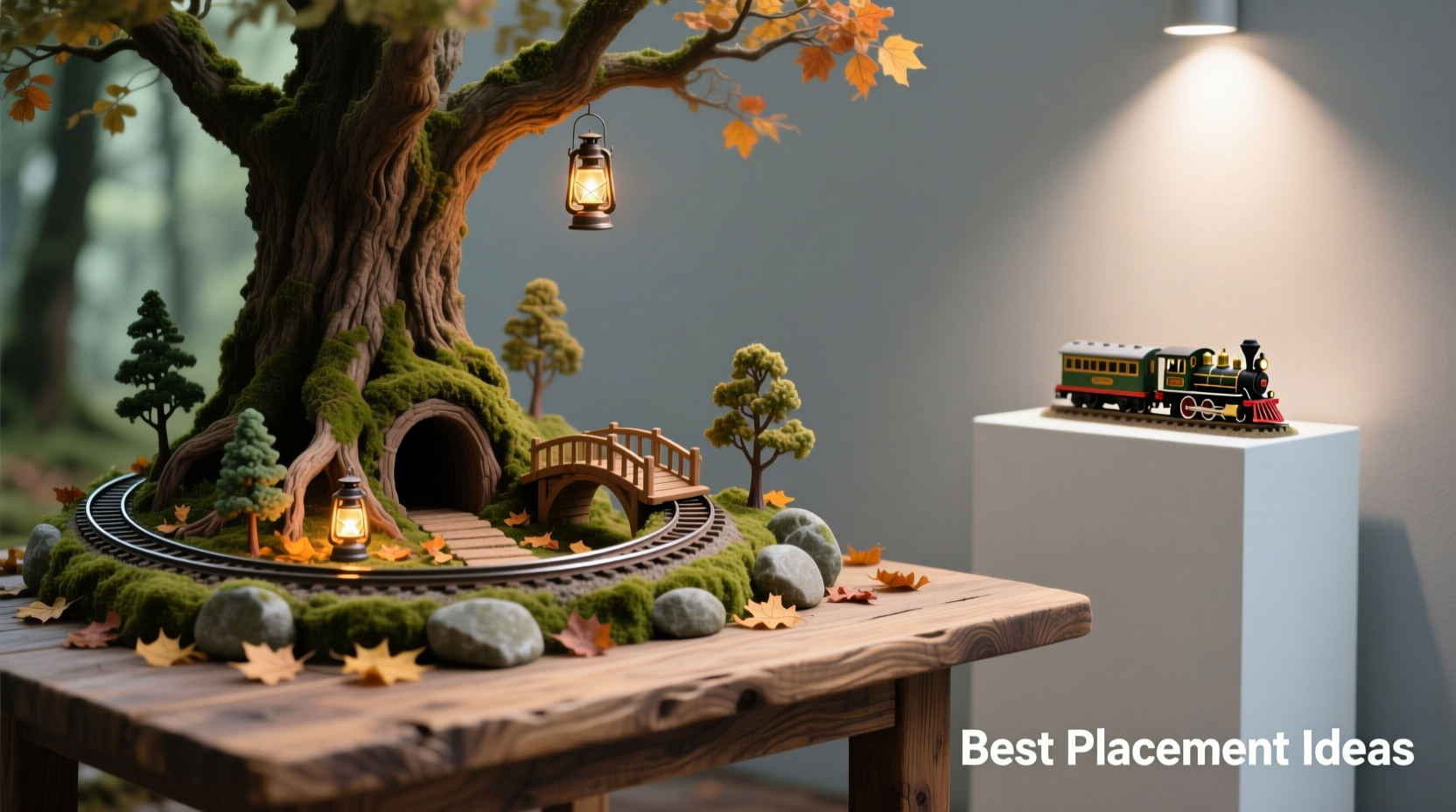
Miniature train sets have been a staple of American Christmases since the early 20th century, when electric trains first became accessible to the middle class. Today, they range from simple plastic O-gauge starter kits to intricate, handcrafted G-scale layouts complete with working signals, sound effects, and animated figures. Their enduring popularity lies not only in their mechanical charm but also in their storytelling potential—a tiny locomotive chugging through snowy villages, crossing bridges, and passing glowing houses creates a microcosm of festive wonder.
The way you present this world matters. Just as a museum curator considers lighting, sightlines, and context when displaying art, so too should you think critically about where your train runs. Two primary configurations dominate: integrating the track beneath a traditional Christmas tree or setting up a freestanding display elsewhere in the home.
Under-the-Tree Display: Tradition Meets Magic
Placing a miniature train set beneath the Christmas tree is perhaps the most iconic arrangement. It taps into decades of cultural imagery—from classic films like Miracle on 34th Street to vintage department store windows—and delivers an immediate emotional connection for visitors.
In this setup, the tree acts as a natural canopy, framing the layout and drawing eyes downward to the bustling activity below. Ornaments hanging low can echo the theme of the train (e.g., tiny locomotives or railcars), creating cohesion between the two elements. Some enthusiasts even suspend miniature lanterns or faux icicles above the tracks to enhance the winter village atmosphere.
However, the under-tree location comes with constraints. Space is often limited by the tree stand and skirt, restricting track length and complexity. Access for repairs or adjustments may require moving presents—or worse, dismantling part of the display during peak viewing times. Additionally, falling pine needles, shedding branches, or accidental spills from nearby drinks can interfere with track conductivity and motor performance.
“An under-tree train layout works best when simplicity meets symbolism. It’s not about scale or realism—it’s about capturing the magic of childhood Christmas mornings.” — Daniel Reeves, Model Railroading Historian and Curator at the National Toy Train Museum
Standalone Display: Freedom and Flexibility
A standalone miniature train set removes the train from the shadow of the tree—literally and figuratively—allowing it to become the centerpiece of your seasonal décor. Positioned on a dining table, credenza, or custom-built platform, a freestanding display offers greater control over design, accessibility, and longevity.
With no spatial competition from gifts or tree skirts, you can build longer loops, incorporate elevation changes, add tunnels, and include detailed scenery such as miniature forests, rivers, or industrial zones. Many serious hobbyists use this format to create expansive dioramas that tell a story—like a coal train heading to a mountain town or a passenger express arriving at a snow-covered station.
Standalone setups are also easier to maintain. You can run the train daily without worrying about disturbing wrapped presents or tripping hazards. Cleaning the track, replacing bulbs, or troubleshooting derailments becomes far less disruptive. Moreover, these displays can remain up longer after the holidays if desired, extending the enjoyment beyond December 25.
Comparative Analysis: Key Decision Factors
Choosing between under-tree and standalone isn’t purely sentimental—it involves evaluating several practical dimensions. Below is a comparison table summarizing critical factors to consider based on your household needs and display goals.
| Factor | Under-the-Tree | Standalone Display |
|---|---|---|
| Space Availability | Limited by tree size and gift storage | Flexible; can use tables, shelves, or dedicated stands |
| Visual Impact | High emotional resonance; integrates with tree magic | Greater creative freedom; can be more immersive |
| Ease of Maintenance | Challenging due to access restrictions | Easy access for cleaning and repairs |
| Durability & Safety | Risk of damage from pets, kids, or falling debris | Easier to secure and supervise |
| Longevity of Display | Typically removed with tree (early January) | Can stay up weeks longer if desired |
| Cost & Setup Effort | Low additional cost; uses existing space | May require extra investment in platforms or cases |
Real Example: A Family’s Holiday Evolution
The Thompson family in Portland, Oregon, began their miniature train journey over a decade ago with a basic Lionel set placed under a six-foot pre-lit tree. For years, it was a beloved fixture—children would kneel on the floor, mesmerized by the red engine circling a loop of track surrounded by fake snow and tiny evergreens.
But as the kids grew older and the collection expanded—adding cabooses, freight cars, and a working turntable—the limitations became apparent. The tree skirt blocked half the view, and every time someone reached for a gift, there was a risk of knocking over a building. One Christmas Eve, a spilled eggnog cup shorted the transformer.
After much debate, they transitioned to a standalone layout on the dining room buffet. They built a raised platform with a mirrored backdrop to simulate water and added a second track level using risers. Now, the train runs continuously from Thanksgiving through mid-January, and guests often linger around it during dinner parties. “It’s still magical,” says Sarah Thompson, “but now it feels more intentional—like we’re sharing something we’ve really crafted.”
Step-by-Step Guide: Choosing and Setting Up Your Ideal Display
Follow this sequence to determine the best placement for your miniature train set and execute it effectively.
- Assess Available Space: Measure the footprint of your Christmas tree area and compare it to alternative locations—dining tables, sideboards, spare rooms, or even unused bookshelves.
- Evaluate Foot Traffic: Consider how people move through the room. High-traffic areas may suit elevated displays; low-traffic corners can accommodate floor-level setups.
- Determine Run Time Goals: Will the train operate only during gatherings, or do you want it running daily? Longer operation favors standalone setups with easy access.
- Plan for Storage Off-Season: Standalone components may require more organized storage. Label sections and keep track pieces in compartmentalized bins.
- Test Layout Before Final Assembly: Lay out the track temporarily in both proposed locations. Observe sightlines from standing and seated positions.
- Install Power Safely: Use surge protectors and avoid daisy-chaining extension cords. For under-tree setups, route wires behind furniture or under rugs.
- Add Thematic Elements: Integrate buildings, trees, and figures that complement your chosen location. Under-tree scenes benefit from cozy, enclosed structures; standalone displays can support dramatic landscapes.
- Perform Weekly Maintenance: Wipe down rails, check wheel alignment, and inspect wiring. This is easier with standalone models but crucial regardless of placement.
Checklist: Optimize Your Train Display This Season
- ☐ Confirm stable power source within safe distance
- ☐ Choose track gauge compatible with available space
- ☐ Secure loose wires to prevent tripping hazards
- ☐ Use non-flammable materials near electrical components
- ☐ Position key scenic elements at eye level when seated
- ☐ Include interactive features (sound, motion) if appropriate
- ☐ Schedule weekly cleaning and inspection times
- ☐ Take photos for future reference and inspiration
Frequently Asked Questions
Can I combine both setups—have a small train under the tree and a larger one displayed separately?
Absolutely. Many collectors use a symbolic under-tree loop with a vintage-style engine while reserving their elaborate layout for another room. This honors tradition while allowing technical expansion. Just ensure both systems are independently powered and maintained.
What scale is best for under-the-tree versus standalone displays?
O-scale (1:48) and S-scale (1:64) are popular under-tree choices due to their balance of detail and compactness. For standalone setups, larger scales like G-scale (1:22.5) work well because they allow for outdoor-grade durability and bold visuals, even at a distance.
How do I protect my train from pets or young children?
Elevating the display is the most effective strategy. Alternatively, use clear acrylic barriers or place the layout in a glass cabinet. For under-tree setups, consider running the train only during supervised hours.
Final Thoughts: Let Your Space and Story Decide
There is no universal answer to whether a miniature train set belongs under the tree or on its own stage. The right choice depends on your living environment, family dynamics, and what kind of experience you wish to create. For those seeking warmth, nostalgia, and seamless integration with classic holiday décor, the under-tree option remains deeply meaningful. But for tinkerers, storytellers, and those who view their train as a year-round passion project, a standalone display unlocks new levels of expression and reliability.
Ultimately, the best placement is the one that brings you joy—not just during setup, but every time you see that little engine roll past a flickering station light or hear the whistle echo through a quiet winter evening. Whether tucked beneath fir boughs or commanding center stage, your miniature train tells a story. Make sure it's one worth watching.




 浙公网安备
33010002000092号
浙公网安备
33010002000092号 浙B2-20120091-4
Comments
No comments yet. Why don't you start the discussion?