
In an age where less is often more, minimalist elegance has become a defining aesthetic in fine jewelry. A diamond bracelet, when designed with restraint and precision, becomes not just an accessory but a quiet statement of refinement. Unlike ornate pieces that demand attention, a minimalist diamond bracelet enhances everyday wear with subtle brilliance. But selecting one that balances simplicity with lasting value requires thoughtful consideration. This guide walks you through the essential factors—from diamond quality to metal selection and design integrity—so you can make a confident, informed choice.
The Essence of Minimalist Design
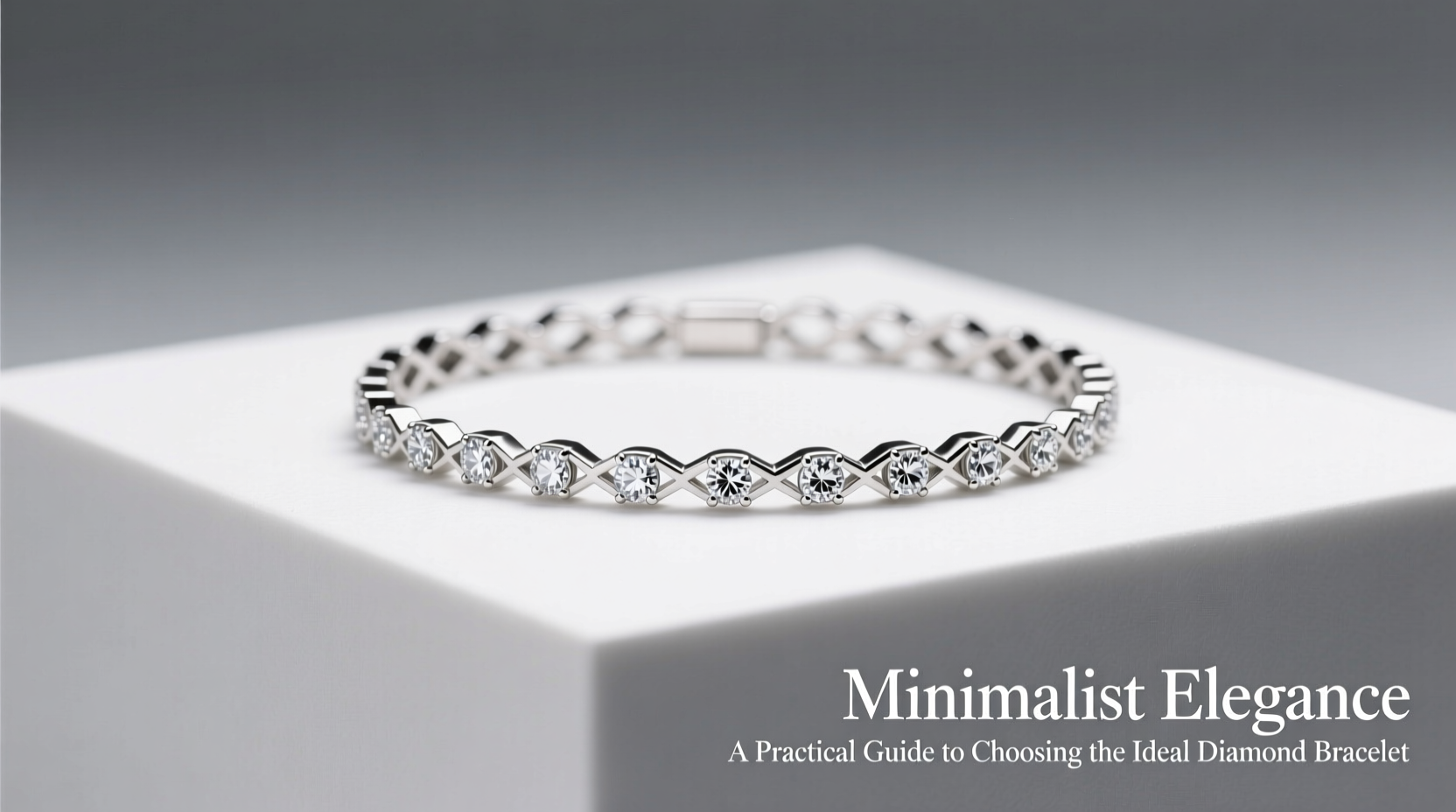
Minimalism in jewelry isn’t about absence; it’s about intention. A well-designed minimalist diamond bracelet focuses on clean lines, balanced proportions, and high-quality materials without unnecessary embellishment. The goal is timelessness—creating a piece that remains stylish across seasons and occasions.
Key characteristics include:
- Sleek, uncluttered settings that allow diamonds to shine
- Narrow bands or delicate chains that sit gracefully on the wrist
- Thoughtful spacing between stones for even light reflection
- A focus on craftsmanship over quantity
When done right, minimalism elevates a diamond bracelet from trendy to heirloom-worthy.
Understanding Diamond Quality in Simplicity
Because minimalist designs rely on fewer elements, each component must be exceptional. With fewer diamonds, each stone carries more visual weight. Therefore, prioritizing quality over carat count is crucial.
The Four Cs—cut, color, clarity, and carat—are especially important in minimalist settings:
- Cut: Opt for excellent or very good cuts. A well-cut diamond maximizes sparkle, which is vital when there are fewer stones to catch the light.
- Color: For white gold or platinum bracelets, choose diamonds in the D-F range (colorless) to maintain brightness. Near-colorless (G-H) works well with yellow or rose gold.
- Clarity: VS1 or VS2 clarity offers an ideal balance—flawless to the naked eye but more accessible in price than internally flawless grades.
- Carat: Total carat weight should complement the design. A 0.50 to 1.00 carat total is often sufficient for a delicate yet noticeable presence.
“Minimalist jewelry magnifies imperfections. One poorly cut diamond can disrupt the entire aesthetic.” — Lila Chen, GIA-Certified Gemologist
Selecting the Right Metal for Lasting Appeal
The metal frame of your bracelet influences both its look and durability. For minimalist designs, the metal should enhance—not compete with—the diamonds.
| Metal | Appearance | Durability | Best For |
|---|---|---|---|
| Platinum | Soft white luster, naturally hypoallergenic | Extremely durable, resists tarnish | Heirloom pieces, sensitive skin |
| White Gold | Bright white, often rhodium-plated | Scratches over time, requires re-plating | Everyday wear with maintenance |
| Yellow Gold | Warm, classic glow | Durable, ages beautifully | Vintage-inspired minimalism |
| Rose Gold | Pinkish hue, romantic tone | Strong due to copper alloy | Modern, soft contrast with diamonds |
For a truly minimalist look, many prefer platinum or white gold—they create a seamless backdrop that lets the diamonds take center stage. However, yellow and rose gold offer warmth that can soften the overall aesthetic, ideal for those seeking understated luxury with personality.
Step-by-Step Guide to Choosing Your Bracelet
Selecting the ideal minimalist diamond bracelet doesn’t have to be overwhelming. Follow this structured approach to ensure every detail aligns with your vision and values.
- Define Your Purpose: Is this a daily wear piece, an anniversary gift, or a future heirloom? Knowing the intent shapes material and design choices.
- Set a Realistic Budget: Allocate funds toward quality rather than size. A smaller, better-cut diamond in premium metal outlasts a larger, lower-grade alternative.
- Choose a Style: Consider:
- Station bracelet: Diamonds spaced evenly along a chain
- Bangle: Rigid, often with continuous pavé setting
- Tennis bracelet: Flexible, full-diamond line—ensure security clasp
- Evaluate Craftsmanship: Check prong alignment, symmetry, and clasp strength. The setting should protect each stone while remaining nearly invisible.
- Verify Certification: Insist on a GIA or AGS report for diamonds 0.30 carats or larger. This ensures authenticity and accurate grading.
- Try It On: Even if buying online, visit a retailer to test similar styles. Pay attention to comfort, weight, and how it moves with your wrist.
Real-Life Example: Emma’s Thoughtful Selection
Emma, a graphic designer in Portland, wanted a diamond bracelet to mark her ten-year wedding anniversary. She valued simplicity and sustainability. After researching, she prioritized ethically sourced diamonds and recycled platinum.
She chose a 7-inch tennis-style bracelet with 0.75 total carat weight, G color, and VS1 clarity. The design featured micro-prong settings that minimized metal visibility. Though it cost slightly more than other options, Emma appreciated that the craftsmanship ensured longevity and ethical peace of mind.
Two years later, she wears it almost daily. “It feels like part of me,” she says. “It’s not flashy, but people always notice it. That’s the power of good minimalism.”
Checklist: Before You Purchase
Use this concise checklist to confirm your choice meets both aesthetic and practical standards:
- ✅ Diamond certification available (GIA/AGS)
- ✅ Cut grade is Excellent or Very Good
- ✅ Clarity is VS2 or higher (no visible inclusions)
- ✅ Metal matches skin tone and lifestyle
- ✅ Clasp is secure with secondary safety
- ✅ Bracelet fits snugly but allows slight movement
- ✅ Design complements existing jewelry
- ✅ Seller offers resizing, cleaning, and repair services
Frequently Asked Questions
Can a minimalist diamond bracelet be worn every day?
Yes, provided it’s crafted with durable materials and a secure setting. Platinum and well-maintained white gold are ideal. Avoid excessive exposure to chemicals, and remove during strenuous activities.
How do I keep my diamond bracelet looking new?
Clean it monthly with a soft brush and mild soapy water. Have a jeweler inspect prongs annually. Store separately in a fabric-lined box to prevent scratches.
Is a lab-grown diamond suitable for a minimalist bracelet?
Absolutely. Lab-grown diamonds offer the same optical and physical properties as mined diamonds, often at a lower cost. For minimalist designs focused on clarity and cut, they’re an excellent, sustainable option—just ensure they come with certification.
Final Thoughts: Embrace Intentional Beauty
A minimalist diamond bracelet is more than an adornment—it’s a deliberate expression of taste and thoughtfulness. By focusing on quality, proportion, and enduring design, you invest in a piece that grows more meaningful over time. Whether marking a milestone or simply celebrating personal style, the right bracelet becomes a quiet companion, enhancing your presence without demanding attention.




 浙公网安备
33010002000092号
浙公网安备
33010002000092号 浙B2-20120091-4
Comments
No comments yet. Why don't you start the discussion?