
In an era defined by digital minimalism, mobility, and intentional design, the way we carry our daily essentials is undergoing a quiet revolution. The humble wallet—once a thick, overstuffed companion crammed with receipts, loyalty cards, and ten credit cards you never use—is being reimagined. As we move into 2025, the debate between minimalist wallets and traditional billfolds isn’t just about aesthetics; it’s about functionality, security, lifestyle alignment, and even environmental impact. This guide explores the strengths and trade-offs of each, helping you decide which option truly holds your essentials—without the bulk.
The Rise of the Minimalist Wallet
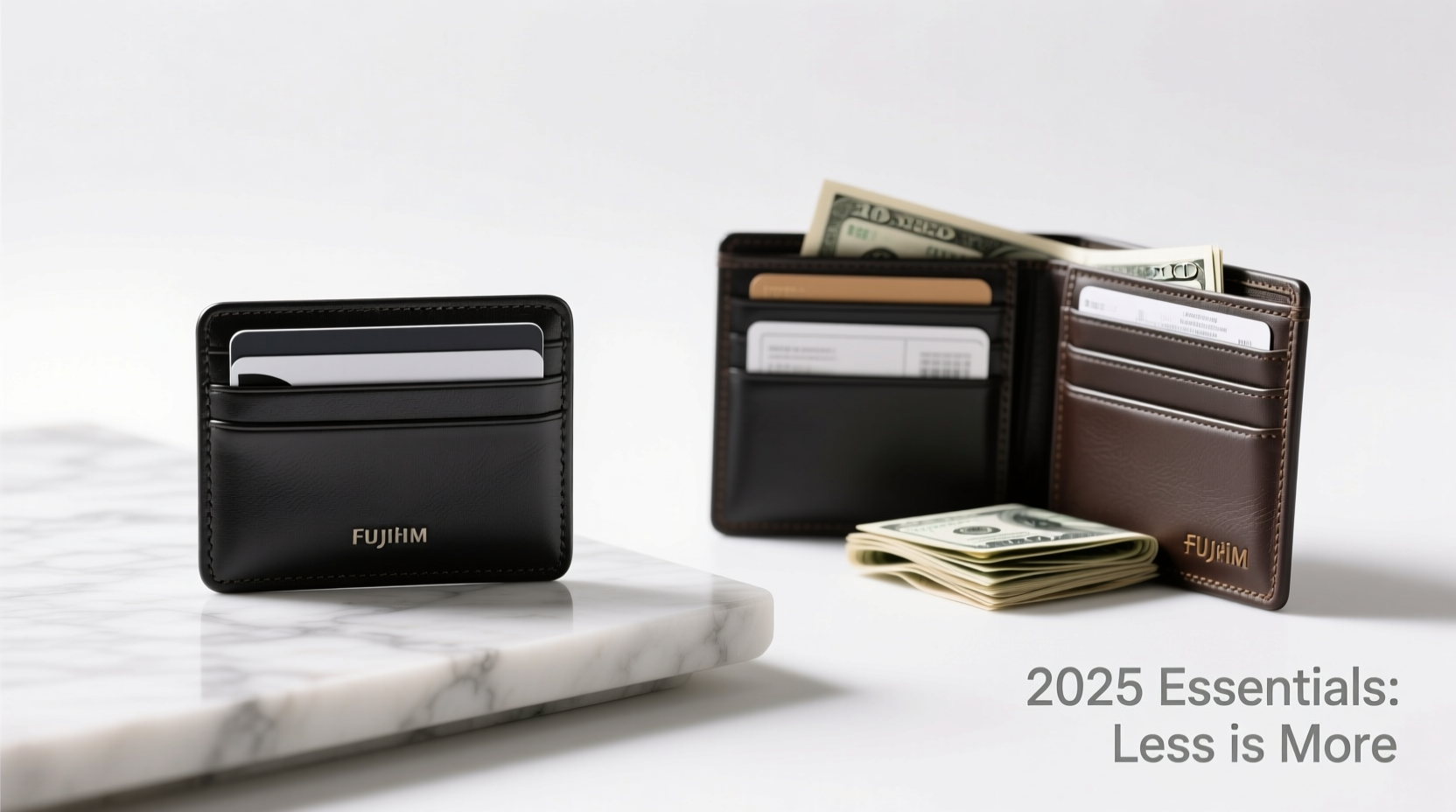
Minimalist wallets emerged from a cultural shift toward simplicity, inspired by movements like capsule wardrobes, digital detoxes, and the “less is more” philosophy. These sleek, compact designs typically hold only what you need: a few cards, some cash, and occasionally ID. Made from materials like aluminum, titanium, carbon fiber, or premium leather, they prioritize slim profiles and durability over capacity.
What sets them apart is not just their size, but their intent. A minimalist wallet forces curation. You can’t fit every gift card from the last five years or duplicate insurance cards. That constraint becomes a feature, not a flaw. In 2025, with mobile wallets becoming mainstream and contactless payments dominating transactions, carrying fewer physical items makes practical sense.
Traditional Billfolds: Still Relevant in 2025?
Traditional billfolds have long been the standard—offering multiple compartments, coin pockets, photo slots, and space for folded bills. They’re familiar, functional, and often sentimental. Many people still appreciate the tactile experience of flipping through a well-worn leather wallet filled with memories and mementos.
However, their relevance in 2025 is increasingly questioned. With smartphones replacing boarding passes, event tickets, and even driver’s licenses in some regions, the need for expansive storage has diminished. Traditional wallets now risk becoming relics—bulky, inefficient, and prone to disorganization. Yet, for those who value versatility, such as parents managing kids’ IDs, professionals carrying multiple access badges, or travelers needing foreign currency and backup cards, the billfold remains a pragmatic choice.
The key difference lies in usage patterns. While minimalist wallets cater to urban commuters, tech-savvy users, and efficiency-driven individuals, traditional billfolds serve those with complex, analog-heavy lifestyles—or those simply resistant to change.
Comparative Breakdown: Features, Pros, and Trade-offs
| Feature | Minimalist Wallet | Traditional Billfold |
|---|---|---|
| Size & Bulk | Slim, pocket-friendly (often under 3mm thick) | Bulky when full; doubles in thickness when folded |
| Capacity | Limited to 4–6 cards + folded cash | Multiple card slots, cash sleeves, coin pockets |
| Material Options | Titanium, aluminum, eco-leather, recycled polymers | Leather, fabric, synthetic blends |
| Durability | High (especially metal builds) | Moderate (leather wears, stitching loosens) |
| Security | RFID-blocking options common; harder to open accidentally | More vulnerable to pickpocketing due to bulk |
| Lifestyle Fit | Ideal for digital-first users, commuters, minimalists | Better for families, travelers, collectors |
| Price Range | $30–$150+ | $15–$100 |
“Minimalism isn’t about deprivation—it’s about removing clutter so what matters stands out.” — Joshua Fields Millburn, The Minimalists
Real-World Example: Alex’s Transition in 2024
Alex, a 34-year-old software developer in Portland, spent years using a worn-out bi-fold that held 17 cards, three expired coupons, and enough loose change to fund a small vending machine. After reading about digital fatigue and attending a productivity workshop, he decided to downsize. He switched to a titanium minimalist wallet that holds four cards and folds cash behind them.
At first, the adjustment was uncomfortable. He missed having his gym membership, library card, and backup credit easily accessible. But within weeks, he realized most of those were redundant. His phone stored digital versions, and he rarely used half the cards. By the third month, he reported less pocket strain, faster checkouts, and even improved focus—attributing part of this to reduced decision fatigue from fewer physical distractions.
“I didn’t realize how much mental weight my wallet carried,” Alex said. “Now I feel lighter, literally and mentally.”
Choosing What Works: A Step-by-Step Decision Guide
Selecting between a minimalist wallet and a traditional billfold isn’t just about preference—it’s about aligning your carry with your actual habits. Follow this timeline to make an informed choice by 2025:
- Week 1: Audit Your Current Wallet
Empty everything. Categorize items: active cards, backups, expired items, keepsakes. Note how many you actually use weekly. - Week 2: Digitize What You Can
Add cards to Apple Pay, Google Wallet, or Samsung Pay. Store IDs and memberships in secure apps like Dropbox or password managers. - Week 3: Test Minimalism
Carry only the essentials: one ID, two payment cards, and a folded $20 bill. Use a small pouch or temporary sleeve. Observe friction points. - Week 4: Evaluate Needs vs. Habits
Did you miss anything? Did you feel insecure? Were you more efficient? Use insights to determine if minimalism fits. - Final Decision (Month 2)
Choose based on evidence, not aesthetics. If you needed eight cards regularly, a hybrid or compact bi-fold may be better than ultra-slim metal cases.
Hybrid Solutions: The Best of Both Worlds?
For many, the future lies not in extremes but in balance. Hybrid wallets—slim enough to avoid bulk but flexible enough to accommodate variable needs—are gaining traction in 2025. Examples include:
- Fold-over minimalist designs with expandable card slots
- Modular wallets where card carriers snap into larger sleeves when needed
- Smart wallets with Bluetooth tracking, battery charging, and digital integration
Brands like Bellroy, Secrid, and Ridge Wallet have evolved beyond basic metal sliders to offer intelligent layouts that adapt to context. For instance, a professional might use a slim cardholder during weekdays but attach a cash strap for weekend travel. These hybrids reflect a growing understanding: minimalism should enhance life, not restrict it.
Environmental and Ethical Considerations
As sustainability becomes central to consumer decisions in 2025, wallet choice extends beyond convenience. Traditional leather billfolds, especially mass-produced ones, often involve high water usage, chemical tanning, and carbon emissions. In contrast, many minimalist brands emphasize eco-materials: recycled aluminum, plant-based leathers (like Piñatex), and modular designs that reduce waste.
Additionally, the longevity of minimalist wallets—particularly metal ones—means fewer replacements over time. A single titanium wallet can last a decade or more, whereas leather billfolds may degrade within 3–5 years due to folding stress and moisture exposure.
“Sustainable design isn’t just about materials—it’s about reducing consumption through durability and intentionality,” says Lena Torres, product designer at EcoGear Labs. “The minimalist wallet, when thoughtfully made, embodies that principle.”
FAQ: Common Questions About Wallet Choices in 2025
Can a minimalist wallet hold cash comfortably?
Yes, most minimalist wallets are designed with cash in mind—either behind cards, in a money clip, or via a foldable sleeve. While they don’t accommodate large stacks, they handle a few folded bills efficiently. If you frequently carry more than $50 in cash, consider a model with a dedicated cash compartment or opt for a hybrid design.
Are RFID-blocking wallets still necessary?
While RFID skimming is rare in real-world scenarios, it’s not impossible. If you carry sensitive cards (e.g., government IDs, corporate access), an RFID-blocking layer adds peace of mind. Many minimalist wallets now include this feature without adding bulk. However, for everyday users, the risk is low, and digital wallets offer stronger encryption.
What if I need to carry multiple currencies while traveling?
Traditional billfolds have an edge here, but minimalist travelers use workarounds: separate small sleeves for foreign cash, or compact foldable organizers used only during trips. Some minimalist brands offer travel-specific add-ons, proving that minimalism doesn’t mean sacrificing utility—it means optimizing it.
Essential Checklist Before You Switch
Before committing to a minimalist wallet or sticking with your traditional billfold, run through this checklist:
- ✅ Audit all items currently in your wallet
- ✅ Digitize at least 80% of non-essential cards and documents
- ✅ Identify your top 3–4 essential physical items
- ✅ Measure your front pocket depth and width for fit testing
- ✅ Research RFID protection if needed
- ✅ Try a rental or loaner minimalist wallet for one week
- ✅ Consider climate: metal wallets can be cold in winter, leather may crack in extreme heat
Conclusion: Carrying Forward Into 2025
The choice between a minimalist wallet and a traditional billfold isn’t about which is objectively better—it’s about which serves your life more effectively. In 2025, as digital integration deepens and personal efficiency becomes paramount, the trend clearly leans toward streamlined, intentional carry solutions. Yet, tradition retains value for those with complex needs or emotional attachments to physical objects.
Ultimately, the best wallet is the one that disappears into your routine—light, reliable, and unobtrusive. Whether you embrace the sleek precision of a titanium minimalist case or the familiar comfort of a well-broken-in leather bi-fold, the goal remains the same: to carry your essentials without the bulk, both physically and mentally.




 浙公网安备
33010002000092号
浙公网安备
33010002000092号 浙B2-20120091-4
Comments
No comments yet. Why don't you start the discussion?