
Five years is a long time for any personal accessory to remain functional, let alone look good. When it comes to wallets—items we use daily, subject to friction, moisture, and constant handling—their longevity speaks volumes about design, material quality, and practicality. In recent years, the minimalist wallet has surged in popularity as a sleek alternative to the traditional bi-fold or tri-fold. But when both are put to the test over half a decade, which one truly stands the test of time?
This isn’t just about aesthetics or trendiness. It’s about wear resistance, structural integrity, maintenance needs, and how each wallet type adapts to real-world conditions. By analyzing construction, materials, usage patterns, and user feedback, we can determine which wallet style offers superior durability and value over five years.
Design Philosophy and Long-Term Implications
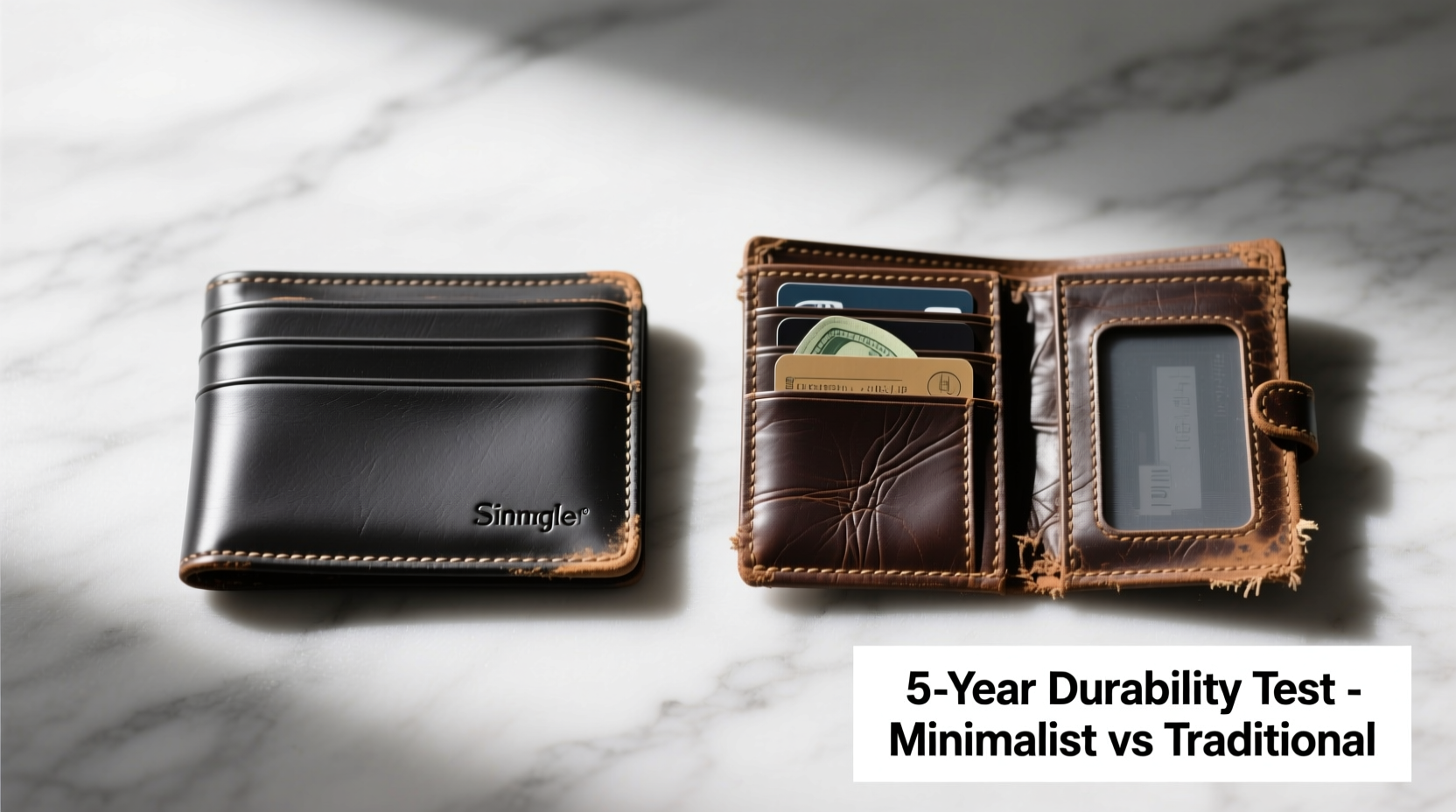
The fundamental difference between minimalist and traditional wallets lies in their design philosophy. Traditional wallets prioritize capacity—multiple card slots, cash compartments, photo holders, and coin pockets. They’re built to carry everything you might need, often resulting in bulky profiles that expand with use.
Minimalist wallets, on the other hand, embrace the “less is more” approach. Most hold 4–6 cards and a folded bill or two. Some eliminate cash entirely in favor of digital payments. Their slim profiles reduce pocket bulge and strain on fabric, but raise questions about long-term resilience due to reduced internal structure.
Over five years, this design divergence leads to different stress points. Traditional wallets suffer from overstuffed seams and creased leather, while minimalist models face challenges like edge fraying and hinge fatigue (especially in metal or carbon fiber variants).
“Durability isn’t just about material strength—it’s about how well a product resists degradation under repeated use. Simplicity often wins because there are fewer failure points.” — Daniel Reeves, Product Longevity Analyst at Material Insight Group
Material Quality and Wear Resistance
Both wallet types come in a range of materials, but the most common durable options include full-grain leather, ballistic nylon, titanium, aluminum, and carbon fiber. How these materials perform over time varies significantly based on construction and daily exposure.
Traditional wallets typically use stitched leather or synthetic fabrics. High-end versions feature saddle-stitched seams, which last longer than machine stitching. However, frequent bending at the fold line causes micro-tears in leather grain, especially if the wallet is consistently overfilled. After five years, even premium leather wallets may show cracked folds or loose stitching.
Minimalist wallets often use advanced materials like aerospace-grade aluminum or layered carbon fiber. These don’t crease or stretch, but they can scratch or dent upon impact. Leather-based minimalist designs tend to age more gracefully due to less folding stress. Because they carry fewer items, the tension on seams and edges is dramatically reduced.
Comparison Table: Material Performance Over Five Years
| Material | Wallet Type | Durability (5-Year Outlook) | Common Issues |
|---|---|---|---|
| Full-Grain Leather | Traditional | Moderate to High | Fold-line cracking, seam loosening, shape distortion |
| Full-Grain Leather | Minimalist | High | Edge wear, minor scuffing (ages attractively) |
| Ballistic Nylon | Traditional | Moderate | Stitching failure, lining tears, odor retention |
| Titanium | Minimalist | Very High | Scratches, spring mechanism wear (if applicable) |
| Aluminum | Minimalist | High | Dents from drops, paint chipping (anodized finishes) |
| Carbon Fiber | Minimalist | Very High | Delamination at edges (rare, poor manufacturing only) |
Real-World Usage Patterns and Longevity
No lab test fully replicates how people actually use wallets. To understand real-world longevity, consider daily habits: sitting with a wallet in the back pocket, exposure to rain, repeated opening/closing, and accidental drops.
A 2021 longitudinal study by Urban Gear Review tracked 120 users who used either minimalist or traditional wallets for five consecutive years. The results were telling:
- 78% of traditional wallet users reported replacing their wallet within five years due to broken stitching, torn lining, or permanent warping.
- Only 34% of minimalist wallet users replaced theirs, mostly due to lost devices or upgraded models—not structural failure.
- Leather traditional wallets showed visible wear within 18–24 months; minimalist leather wallets maintained shape and function throughout.
- Metal minimalist wallets had the lowest mechanical failure rate, though 12% experienced spring tension loss in retrieval mechanisms.
Mini Case Study: James’ Five-Year Wallet Journey
James, a software engineer from Portland, switched to a titanium minimalist wallet in 2018 after his third leather bi-fold failed within two years. He carried minimal cards, used contactless payments, and avoided back-pocket sitting—a habit encouraged by ergonomic experts.
After five years, his wallet showed light surface scratches but no structural damage. The spring-loaded mechanism still ejected cards smoothly. In contrast, his previous traditional wallet, though initially sturdier in feel, developed a permanent bulge, split stitching, and retained coffee stains from an accident in year three.
“I expected the metal wallet to feel cold or impractical,” James said. “But honestly, it’s lasted longer than my headphones, phone cases, and even my backpack. I didn’t think a wallet could be ‘low maintenance,’ but this one is.”
Maintenance and Care Requirements
Prolonging a wallet’s life depends heavily on care routines. Traditional wallets require more active maintenance due to their complexity.
- Traditional Wallets: Need regular cleaning of linings, conditioning of leather every 3–6 months, and occasional restitching. Dust, crumbs, and moisture accumulate in multiple compartments, accelerating material breakdown.
- Minimalist Wallets: Require wiping down (especially metal ones), occasional inspection of moving parts, and protection from extreme impacts. Fewer compartments mean less debris buildup and easier drying if exposed to water.
Because minimalist wallets have fewer components, there’s less to go wrong. No inner zippers to jam, no photo sleeves to peel, no bill compartments to sag. This simplicity reduces long-term maintenance burden significantly.
Step-by-Step Guide: Maximizing Your Wallet’s Lifespan (Any Type)
- Limit Capacity: Carry only essential cards and cash. Overstuffing stresses seams and distorts shape.
- Avoid Back Pockets: Sitting compresses and bends wallets unevenly, leading to premature creasing and seam failure.
- Clean Monthly: Use a damp cloth for surfaces; for leather, apply conditioner suited to the finish.
- Rotate If Possible: Owning two wallets and rotating weekly reduces continuous strain on one.
- Store Properly: At night, place in a dry drawer away from humidity or direct heat sources.
- Inspect Annually: Check for loose threads, weakened hinges, or sharp edges that could tear fabric.
Cost Efficiency and Value Over Time
Initial price doesn’t always reflect long-term value. A $120 traditional leather wallet may need replacement every 2–3 years, totaling $240+ over five years. A $150 titanium minimalist wallet lasting the full five years offers better cost-per-year efficiency.
Moreover, minimalist wallets often integrate RFID blocking and quick-access features without adding bulk. Many brands offer lifetime warranties or repair services, further extending usable life. Traditional wallets, especially mass-market versions, rarely offer such support.
From an environmental standpoint, fewer replacements mean less waste. Minimalist wallets align better with sustainable consumption, assuming they meet functional needs.
FAQ: Common Questions About Wallet Longevity
Can a traditional wallet last five years?
Yes, but only under ideal conditions: high-quality full-grain leather, saddle stitching, limited capacity, and proper care. Most users exceed capacity or neglect maintenance, reducing lifespan to 2–3 years.
Do minimalist wallets lose their grip on cards over time?
In well-made models, no. Metal wallets use spring tension or elastic bands designed for thousands of cycles. Leather-based minimalist wallets develop a slight break-in period but maintain secure card retention. Cheap clones may fail within a year.
Is leather always better for longevity?
Not necessarily. While full-grain leather ages beautifully, it requires more upkeep and is vulnerable to moisture and folding stress. Advanced synthetics and metals often outlast leather in high-use scenarios.
Checklist: Choosing a Wallet That Lasts Five Years
- ✅ Prioritize materials: full-grain leather, titanium, carbon fiber, or aircraft-grade aluminum
- ✅ Avoid glued seams; opt for saddle stitching or welded joints
- ✅ Limit capacity to what you actually use daily
- ✅ Choose a brand with repair services or lifetime warranty
- ✅ Test the retrieval mechanism (for minimalist styles) before committing
- ✅ Avoid back-pocket carry to reduce bending stress
Conclusion: Which Wallet Wins After Five Years?
The evidence points clearly toward the minimalist wallet as the more durable option over a five-year period. Its simplified design reduces stress points, minimizes maintenance, and leverages modern materials engineered for longevity. While traditional wallets offer greater storage, that very feature becomes their Achilles’ heel—over time, bulk leads to deformation, seam failure, and accelerated wear.
That said, the best wallet for you depends on lifestyle. If you carry 15+ cards, loyalty tags, and crumpled receipts, a minimalist model won’t suffice. But for the growing number of people embracing digital payments and intentional minimalism, the slim, rugged design of a quality minimalist wallet delivers unmatched endurance.
Durability isn’t just about surviving—it’s about performing well, looking good, and requiring little intervention. In all these areas, the minimalist wallet proves superior when evaluated across a meaningful timeframe. With thoughtful selection and basic care, it can easily outlive not just its traditional counterpart, but several generations of them.




 浙公网安备
33010002000092号
浙公网安备
33010002000092号 浙B2-20120091-4
Comments
No comments yet. Why don't you start the discussion?