
In recent years, Miniso blind boxes have surged in popularity, especially among younger consumers drawn to their cute designs and surprise factor. At the same time, DIY craft kits—ranging from embroidery to resin art—have seen a revival as people seek meaningful, hands-on hobbies. Both promise entertainment and personal reward, but when you consider the investment of money and time, which option truly delivers greater value? The answer depends on what you’re looking for: instant gratification or lasting fulfillment.
The Allure of Miniso Blind Boxes
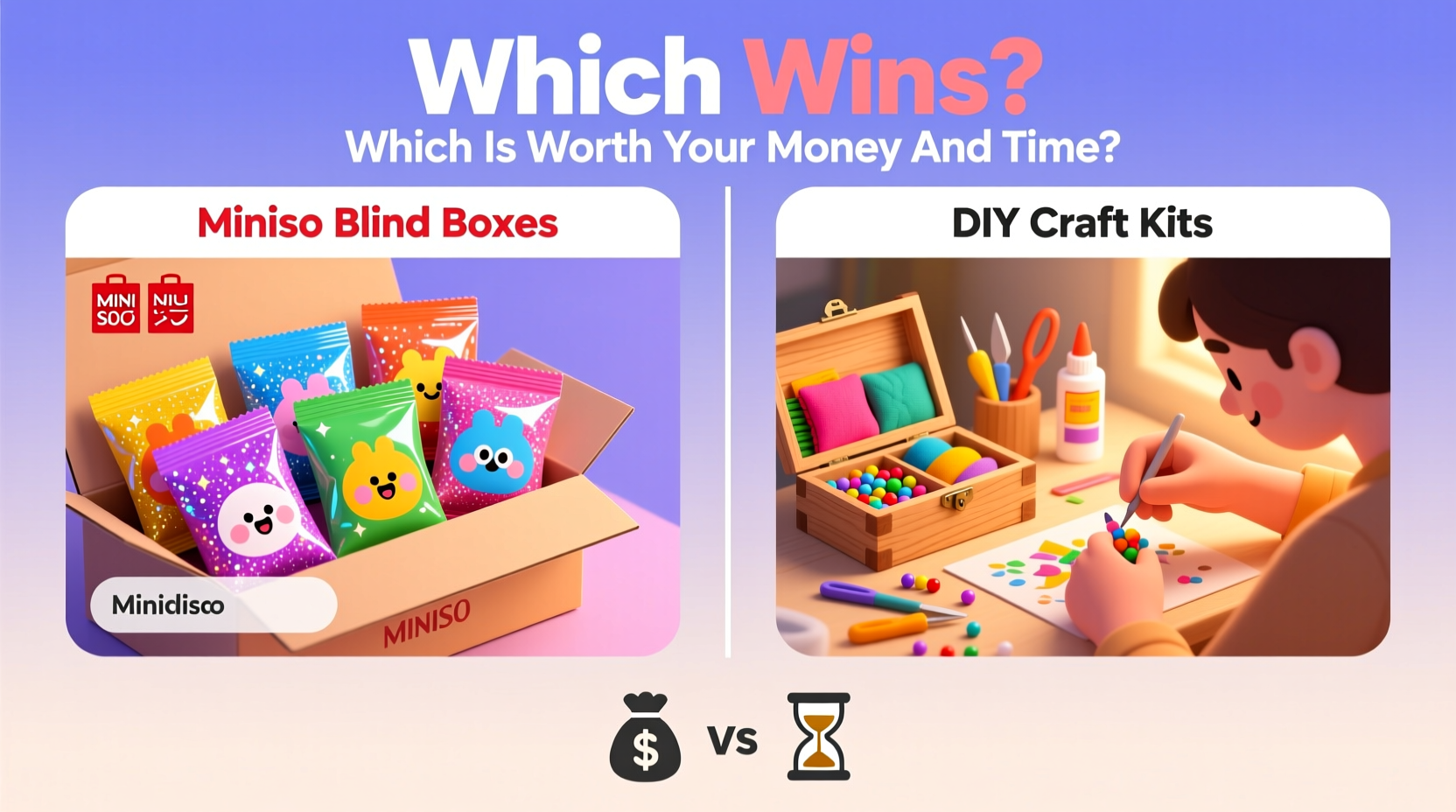
Miniso blind boxes are small, sealed packages containing miniature collectible figures from popular themes like Pucca, Labubu, or Disney collaborations. Each box costs between $5 and $12, and the mystery of not knowing which character you’ll get drives much of the excitement. Limited editions and rare \"chase\" variants add to the thrill, making these boxes particularly appealing to collectors and impulse buyers.
The appeal lies in accessibility. No skill required. Just open, display, and repeat. For many, this low-effort experience is part of the charm—especially in high-stress environments where quick dopamine hits are valued. However, that simplicity comes with trade-offs.
The Creative Depth of DIY Craft Kits
DIY craft kits, by contrast, invite engagement. Whether it’s building a wooden puzzle clock, painting a canvas set, or assembling a beaded jewelry kit, these activities require time, focus, and patience. Prices vary widely—from $10 for basic kits to $50+ for premium sets—but most include all materials needed to complete a project.
Unlike blind boxes, the outcome isn’t random. You know exactly what you’re working toward. This predictability fosters a sense of accomplishment. Completing a handmade piece provides psychological rewards far beyond mere ownership—it taps into our innate desire to create.
“Crafting activates both the brain’s reward system and motor skills, offering cognitive benefits similar to mindfulness practices.” — Dr. Lena Torres, Behavioral Psychologist
Cost Analysis: What Are You Really Paying For?
Let’s break down the financial reality of each option over a three-month period, assuming moderate engagement (one purchase per week).
| Category | Avg. Price per Unit | Weekly Spend | 3-Month Total | Output/Result |
|---|---|---|---|---|
| Miniso Blind Box | $7 | $7 | $91 | 12 random mini figures (some duplicates likely) |
| DIY Craft Kit | $25 (every 3 weeks) | $8.33 | $100 | 4 completed handmade projects (e.g., wall art, functional item) |
While the total cost is nearly identical, the nature of the return differs significantly. Blind boxes offer fleeting novelty; craft kits yield tangible results that can be used, gifted, or displayed proudly. Moreover, repeated crafting builds skill over time—a form of compound personal growth blind boxes cannot match.
Time Investment and Emotional Return
Blind boxes take seconds to open. There’s joy in the reveal, but it often fades quickly—especially if you pull a duplicate or common figure. This cycle can lead to “collector fatigue,” where the pursuit of rarity overshadows actual enjoyment.
Craft kits demand hours, sometimes days, to finish. But during that time, users often enter a state of flow—a mental zone where focus and enjoyment merge. Studies show that such immersive activities reduce stress and improve mood more sustainably than passive consumption.
A real-world example: Sarah, a 24-year-old graphic designer, spent $80 on Miniso blind boxes over two months. She ended up with 11 figures, four of which were repeats. Disappointed, she switched to a macramé wall hanging kit. It took her six evenings to complete, but she now displays it above her desk. “I feel proud every time I look at it,” she says. “It’s mine. I made it.” That emotional ownership is something no pre-made figurine can replicate.
Which Is Worth the Money and Time?
The verdict hinges on your values.
- Choose Miniso blind boxes if: You enjoy collecting, like surprises, and want low-commitment fun. They’re great as occasional treats or gifts for kids.
- Choose DIY craft kits if: You value creativity, skill-building, and lasting satisfaction. These are ideal for anyone seeking mindful downtime or wanting to produce something meaningful.
For long-term well-being and cost efficiency per hour of enjoyment, DIY kits win. They transform spending into self-investment. Blind boxes, while entertaining, function more like retail therapy—with diminishing returns over time.
Step-by-Step Guide: Transition from Passive Buyer to Active Creator
- Assess your current spending on blind boxes or similar impulse buys over the last month.
- Set a monthly creativity budget equal to that amount for craft kits.
- Pick one starter kit aligned with your interests (e.g., knitting, model building, candle-making).
- Schedule 3 short sessions per week (30–60 minutes) to work on the project.
- Display or gift your finished piece—this reinforces pride and motivates future projects.
- Track emotional changes in a journal: note stress levels, focus, and satisfaction before and after crafting.
Checklist: How to Maximize Value from Your Hobby Spending
- ☐ Define your goal: collection, relaxation, skill development?
- ☐ Limit blind box purchases to special occasions only.
- ☐ Research craft kits with high completion rates and clear instructions.
- ☐ Reuse tools (scissors, glue, brushes) across multiple kits to reduce waste.
- ☐ Share your creations online or with friends to boost accountability and joy.
Frequently Asked Questions
Are Miniso blind boxes a waste of money?
Not inherently—but they offer poor value if bought frequently. For under $100, you could buy several craft kits that provide hours of engagement and lasting keepsakes. Blind boxes are best enjoyed occasionally, not as a regular habit.
Can DIY kits be fun for beginners?
Absolutely. Many kits are designed specifically for first-timers, with step-by-step guides and pre-measured materials. Start with simpler projects like paint-by-number or felt sewing kits before advancing to complex builds.
Do craft kits save money compared to buying finished products?
Often, yes. A handmade ceramic mug kit might cost $18 and result in a unique, personalized piece. Buying a similar artisan mug could cost $30–$50. Plus, you gain the experience of making it yourself.
Conclusion: Invest in Experiences, Not Just Objects
Miniso blind boxes deliver momentary excitement. DIY craft kits cultivate patience, creativity, and pride. When evaluating worth, consider not just price tags but also time spent and emotional payoff. One leaves you with clutter and repetition; the other builds confidence and capability.
If you’re tired of buying things that don’t matter, try making something that does. Swap a few blind box rolls for a craft kit this month. You might discover a new passion—one that pays dividends in joy, skill, and self-expression.




 浙公网安备
33010002000092号
浙公网安备
33010002000092号 浙B2-20120091-4
Comments
No comments yet. Why don't you start the discussion?