
In recent years, mirror phone cases have surged in popularity, especially among fashion-conscious users and social media enthusiasts. With their sleek, reflective surfaces and selfie-ready functionality, they’ve become a staple accessory for many smartphone owners. But beyond the aesthetic appeal, do mirror cases offer real utility compared to standard protective cases? Or are they merely a passing trend with more style than substance?
This article dives deep into the practicality, protection levels, usability, and long-term value of mirror phone cases versus traditional options. Whether you're upgrading your device or simply curious about the trend, this comparison delivers clear insights to help you make an informed decision.
The Rise of the Mirror Phone Case
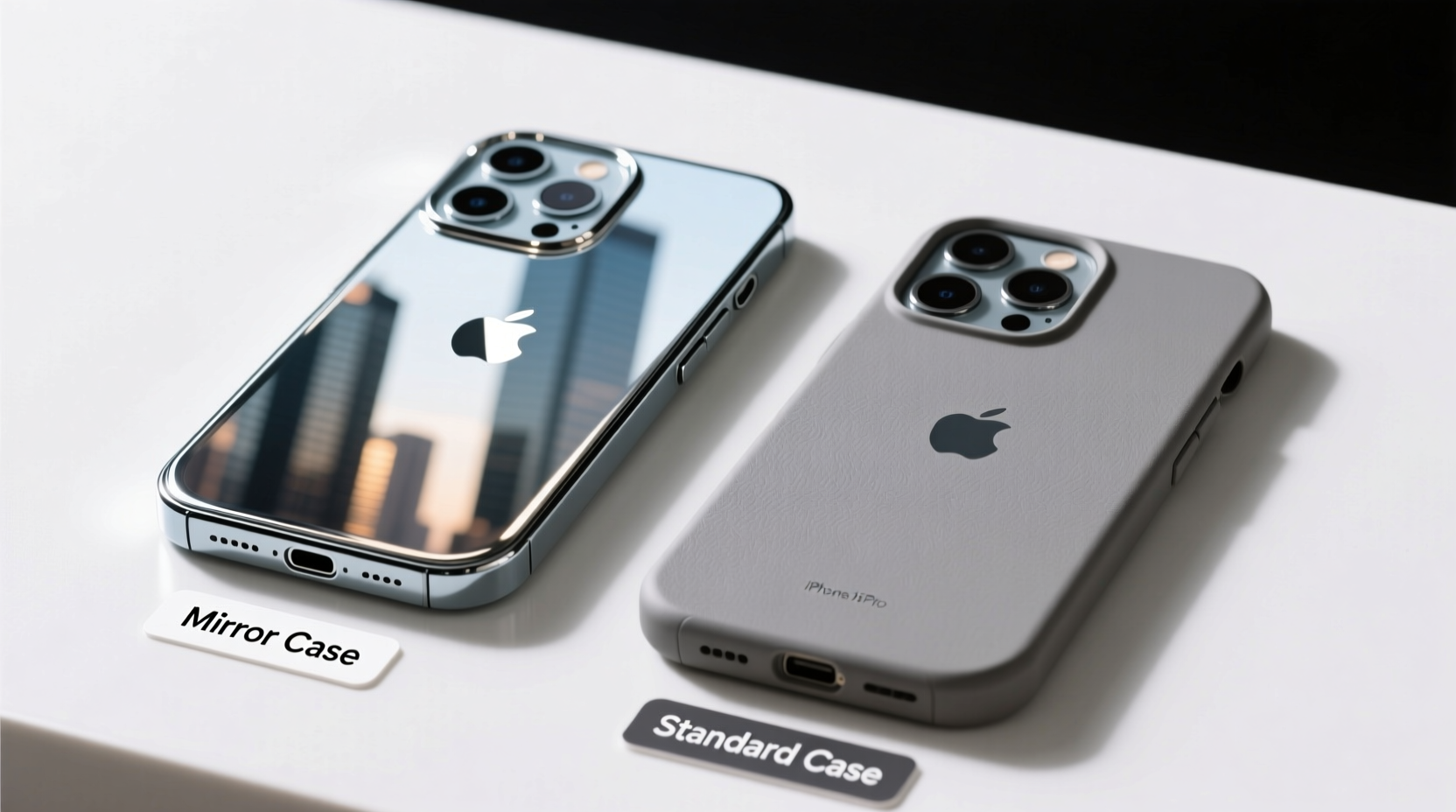
Mirror phone cases first gained traction as part of the \"selfie culture,\" where convenience and aesthetics go hand-in-hand. Unlike standard cases, which focus primarily on protection and grip, mirror cases double as compact mirrors—ideal for quick touch-ups, checking makeup, or taking better selfies without needing a separate mirror.
Manufacturers often market them as multifunctional accessories, combining fashion with function. They come in various finishes—glossy chrome, rose gold, matte black with mirrored backs—and are compatible with most flagship smartphones, including iPhone and Samsung Galaxy models.
Yet, despite their visual appeal, questions remain about their durability, scratch resistance, and overall effectiveness in protecting devices. Are these cases built to last, or do they sacrifice core functionality for vanity?
Functional Comparison: Mirror vs Standard Cases
To evaluate whether mirror cases are worth the investment, it's essential to compare them across key performance categories:
| Feature | Mirror Case | Standard Case |
|---|---|---|
| Protection Level | Moderate; often thinner materials due to reflective layer | High; reinforced corners, shock-absorbing materials (TPU, silicone) |
| Durability | Low to moderate; mirror surface scratches easily | High; resistant to daily wear and minor drops |
| Grip & Handling | Poor; slippery surface increases drop risk | Good; textured edges improve hold |
| Functionality | Added mirror feature for selfies/touch-ups | Focused on protection and ease of use |
| Aesthetic Appeal | High; trendy, reflective finish | Varies; functional designs dominate |
| Price Range | $15–$35 (premium finishes cost more) | $8–$25 (budget to mid-tier options widely available) |
The data shows a clear trade-off: mirror cases prioritize appearance and niche functionality over robust protection. While the built-in mirror is undeniably convenient, it comes at the expense of structural resilience and grip.
Real-World Use: A Mini Case Study
Sophia, a 28-year-old marketing professional and frequent traveler, switched to a mirror case after seeing influencers use them for on-the-go makeup checks during flights and meetings. She appreciated being able to adjust her eyeliner between appointments without pulling out a compact mirror.
However, within three weeks, the reflective surface developed fine scratches from being placed face-down on tables and rubbing against coins in her purse. After a minor drop onto tile flooring, the corner cracked, compromising both aesthetics and protection. “It looked great for the first month,” she said, “but now it feels like I’m using a damaged screen protector every time I pick up my phone.”
Sophia eventually reverted to a rugged TPU case with raised bezels. Though less stylish, it offered peace of mind during her daily commute and travel schedule. Her experience highlights a common pattern: initial excitement fades when practical drawbacks emerge.
“Mirror cases can be useful in controlled environments, but they’re not designed for heavy-duty use. Think of them more like fashion accessories than protective gear.” — David Lin, Mobile Device Durability Analyst at TechShield Labs
When a Mirror Case Makes Sense (And When It Doesn’t)
Not all users have the same needs. For some, the mirror feature adds tangible value. For others, it’s redundant or even counterproductive. Below is a checklist to help determine if a mirror case suits your lifestyle:
✅ Consider a Mirror Case If You:
- Regularly apply or retouch makeup during the day
- Take frequent selfies and want instant framing feedback
- Prefer minimalist accessories and dislike carrying extra items
- Use your phone mostly indoors or in low-risk environments
- Value aesthetics and personal expression through tech accessories
❌ Avoid Mirror Cases If You:
- Work in physically demanding or outdoor settings
- Tend to drop your phone or place it carelessly on rough surfaces
- Prioritize maximum impact protection over looks
- Carry your phone loosely in pockets or bags with sharp objects
- Want a long-lasting case that maintains its appearance over months
Maximizing Mirror Case Longevity: A Step-by-Step Guide
If you decide to go with a mirror case, proper care can extend its life and maintain its shine. Follow this timeline to get the most out of your purchase:
- Week 1: Apply a Protective Film – Purchase a clear screen protector-style film designed for mirror cases. This shields the reflective layer from micro-scratches.
- Daily: Clean Gently – Wipe the surface with a microfiber cloth. Avoid paper towels or abrasive cleaners that can create swirl marks.
- Weekly: Inspect for Damage – Check for chips or peeling edges. Early detection helps prevent further degradation.
- Monthly: Deep Clean – Use a small amount of isopropyl alcohol (70%) on a soft cloth to remove oils and smudges. Never spray directly onto the case.
- Every 3 Months: Evaluate Replacement Need – If visibility in the mirror is impaired by scratches or clouding, consider switching to preserve your phone’s safety.
FAQ: Common Questions About Mirror Phone Cases
Can mirror cases damage your phone screen?
No, mirror cases themselves don’t harm screens. However, if the case cracks or warps after impact, it may no longer protect the phone properly, increasing the risk of screen damage during future drops.
Do mirror cases interfere with wireless charging?
Generally, no. Most mirror cases are thin enough to allow Qi-compatible chargers to work efficiently. Just ensure the case doesn’t have metal components embedded behind the phone’s charging coil area.
Are there anti-scratch mirror cases available?
Some brands offer “scratch-resistant” coatings, but these only delay—not eliminate—surface wear. No mirror case is fully immune to scratching under regular use.
Conclusion: Style Meets Practicality—But With Limits
Mirror phone cases aren’t entirely hype, nor are they universally practical. They serve a specific niche: users who value convenience, self-expression, and on-the-go grooming. The built-in mirror genuinely eliminates the need for a separate compact, making them ideal for professionals, travelers, or anyone who likes to stay polished throughout the day.
However, their limitations in durability and protection mean they shouldn’t replace reliable cases in high-risk scenarios. Think of them as seasonal accessories—perfect for certain occasions, but not suited for everyday ruggedness.
The smartest approach? Own both. Keep a durable standard case for daily commutes and active use, and switch to a mirror case when attending events, meetings, or outings where appearance matters more than impact resistance.




 浙公网安备
33010002000092号
浙公网安备
33010002000092号 浙B2-20120091-4
Comments
No comments yet. Why don't you start the discussion?