
For fans of Japanese cuisine or anyone seeking a quick, nourishing bowl of umami-rich comfort, Trader Joe’s offers an impressive range of miso soup products. Whether you're stocking your pantry for weeknight meals, looking for a low-effort lunch solution, or aiming to craft authentic homemade miso soup using high-quality base ingredients, the store delivers both convenience and culinary integrity. Unlike many grocery chains that carry only generic instant packets, Trader Joe’s curates its selection with attention to flavor authenticity, ingredient quality, and versatility—making it a go-to destination for both beginners and seasoned cooks exploring Japanese-inspired dishes.
The appeal of miso soup lies in its simplicity and depth: a warm broth layered with savory, fermented complexity, often enhanced with seaweed, tofu, and scallions. At Trader Joe’s, this staple of Japanese breakfast and restaurant menus is available in multiple formats—from ready-to-boil sachets to bulk pastes and add-ins—each serving a distinct purpose in the home kitchen. Understanding these options empowers shoppers to choose not just based on speed, but on flavor profile, dietary needs, and long-term usability.
Definition & Overview
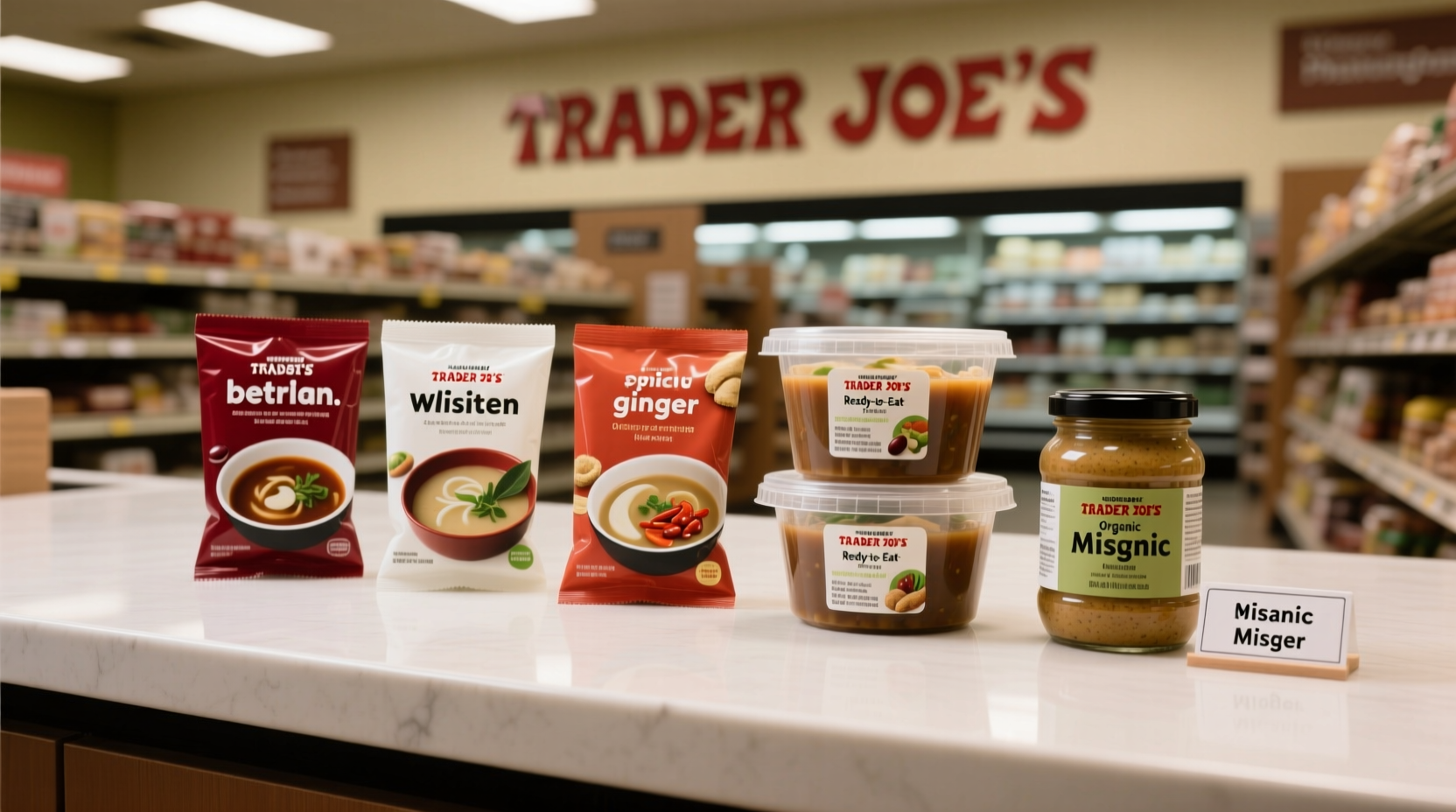
Miso soup is a traditional Japanese soup made by dissolving miso paste—a fermented blend of soybeans, salt, and koji (a fungal culture)—into a heated dashi broth. The resulting liquid is rich in umami, mildly salty, and deeply aromatic. While regional variations exist across Japan, most versions include additional ingredients such as wakame seaweed, silken tofu, and sliced green onions. Miso soup is typically served alongside rice and other small dishes, functioning as both a digestive aid and flavor primer for the meal.
At Trader Joe’s, “miso soup” refers not only to pre-mixed instant versions but also to individual components used to make the dish from scratch. This dual approach allows flexibility: time-pressed consumers can enjoy a satisfying bowl in under five minutes, while more involved cooks can build nuanced, restaurant-style soups using premium dashi powders and artisanal miso pastes sold in the international aisle or refrigerated sections.
What sets Trader Joe’s apart is its commitment to clean labeling and global sourcing. Their miso-related products are generally free from artificial additives, MSG (in most cases), and unnecessary fillers. Moreover, several items are organic, non-GMO, or suitable for vegan diets—important considerations given the growing demand for transparency in fermented foods.
Key Characteristics
Miso soup products at Trader Joe’s vary significantly in form and function. Below is a detailed breakdown of their core attributes:
| Product Type | Flavor Profile | Aroma | Color/Form | Culinary Function | Shelf Life |
|---|---|---|---|---|---|
| Instant Miso Soup Packets | Savory, salty, mild umami | Toasty, oceanic (from seaweed) | Dry granules and flakes in foil pouch | Quick single-serving soup base | 12–18 months unopened |
| White Miso Paste (Shiro Miso) | Sweet, mellow, slightly tangy | Fermented, creamy, subtle yeastiness | Smooth beige paste, refrigerated | Broth base, marinade, dressing enhancer | 6–9 months refrigerated after opening |
| Red Miso Paste (Aka Miso) | Robust, salty, deep umami | Pungent, earthy, aged fermentation notes | Dark reddish-brown paste, refrigerated | Hearty soups, glazes, braises | Up to 1 year refrigerated |
| Dashima & Kombu Dashi Packets | Clean, briny, subtly sweet | Marine, mineral-rich | Dried kelp sheets or tea-bag style sachets | Dashi (broth) foundation for miso soup | 2+ years if stored dry |
| Cut Wakame Seaweed | Briny, fresh sea flavor | Oceanic, faintly iodine-like | Dehydrated green strips | Rehydrates into soup; textural element | 24 months in pantry |
Practical Usage
How you use Trader Joe’s miso soup offerings depends on your cooking goals. For immediate results, the instant packets require nothing more than hot water. However, understanding how to layer flavors using separate components unlocks far greater culinary potential.
To prepare a basic bowl using an instant packet, bring 1–1.5 cups of water to a near-boil (do not fully boil once miso is added, to preserve beneficial probiotics). Empty packet contents into the water, stir until dissolved, and let sit for one minute. Some varieties contain dehydrated tofu and wakame, which will reconstitute during this time. Garnish with fresh scallions or a drizzle of sesame oil for elevated aroma.
For a homemade version, follow this professional technique:
- Simmer a piece of dried kombu (available in bulk or pre-packaged) in 4 cups of water for 10 minutes. Remove kombu before boiling to prevent sliminess.
- Add a small handful of bonito flakes (not always stocked at TJ’s but sometimes found near Asian items) or use their dashi powder alternative. Steep for 3–5 minutes, then strain.
- In a separate bowl, dissolve 1 tablespoon of white or red miso paste (depending on desired intensity) in a ladleful of warm dashi to create a slurry.
- Return remaining dashi to low heat, swirl in the slurry, and add rehydrated wakame and cubed silken tofu (TJ’s organic Mori-Nu tofu works perfectly).
- Heat gently—never boil—to preserve enzymatic activity in the miso. Serve immediately.
Pro Tip: Always dissolve miso paste in a small amount of warm broth before adding it to the pot. This prevents clumping and ensures even distribution of flavor without over-stirring, which can dull the taste.
Beyond soup, miso paste serves as a dynamic ingredient in sauces, dressings, and marinades. White miso blends seamlessly into vinaigrettes (try mixing with rice vinegar, olive oil, and ginger), while red miso adds depth to glazes for salmon or roasted vegetables. A popular application is \"miso butter\"—combine softened butter with red miso and a touch of honey—for finishing grilled corn or fish.
Variants & Types
Trader Joe’s carries several distinct types of miso-related products, each suited to different applications. Knowing when to reach for each type enhances both efficiency and flavor outcomes.
- Instant Miso Soup Mix – Classic Soybean: A no-frills packet containing miso powder, dried wakame, and sometimes powdered tofu. Ideal for dorm rooms, offices, or camping trips where minimal equipment is available.
- Organic White Miso (Shiro Miso): Made primarily from rice koji and soybeans, fermented for a shorter period. Sweeter and less intense, making it ideal for delicate broths, salad dressings, or blending into mashed potatoes.
- Red Miso (Aka Miso): Fermented longer and often includes soybean-only fermentation. Higher salt content and stronger flavor suit heartier dishes like stews, marinades, or robust soups intended for colder months.
- Dashima & Kombu Broth Packets: These are not miso-based but provide the essential dashi foundation needed for authentic miso soup. Each sachet steeps like tea and delivers a clean, umami-rich base without fish (unlike bonito-heavy versions).
- Cut Wakame Seaweed: Sold in small bags, this rehydrates quickly and adds texture and marine sweetness to soups. Also excellent in cold seaweed salads.
- Miso Ginger Soup Mix: A seasonal or rotating variant featuring added ginger and sometimes lemongrass. Offers brighter, more aromatic notes and pairs well with chicken or vegetable additions.
While availability varies by region and season, customers report seeing limited-edition versions such as mushroom-infused miso mix or gluten-free certified pastes in select locations. Checking the endcaps or “new finds” section regularly may reveal unique opportunities.
Comparison with Similar Ingredients
Miso soup components are often confused with other Asian pantry staples. Clarifying distinctions ensures proper usage and avoids flavor imbalances.
| Item | Difference from Miso Soup Components | When to Use Instead |
|---|---|---|
| Soy Sauce | Liquid condiment; thinner, saltier, lacks creaminess and probiotic content of miso. | For seasoning, dipping, or deglazing—not as soup base. |
| Fish Sauce | Animal-based umami; pungent aroma, not fermented with koji. | In Southeast Asian dishes like pho or larb, never as miso substitute. |
| Dried Mushroom Powder | Provides umami but no salt or fermentation complexity. | To boost depth in vegetarian broths, but must be paired with salt and acid. |
| Instant Ramen Seasoning | Often contains MSG, artificial flavors, and lower-quality fats. | For quick ramen bowls, but lacks nuance and health benefits of real miso. |
| Tamari | Gluten-free soy sauce derivative; similar color but different function. | As a soy sauce replacement, not a miso paste alternative. |
“Miso is alive. It’s not just flavor—it’s microbiology working in your favor. When you heat it too aggressively, you lose part of what makes it special.” — Chef Naomi Takemoto, Japanese culinary instructor
Practical Tips & FAQs
Can I use Trader Joe’s miso paste in non-Japanese dishes?
Absolutely. White miso integrates beautifully into Western recipes. Substitute a portion of salt or anchovy paste in Caesar dressing with white miso for a creamy, complex twist. Red miso enhances Bolognese sauce or bean stews with umami depth without overtly tasting “Asian.”
Is the instant miso soup vegan?
Most classic varieties are vegan, but always check the label. Some seasonal blends may include bonito-derived dashi. The Organic White Miso paste and Cut Wakame are reliably plant-based.
Does miso soup at Trader Joe’s contain MSG?
No added MSG is listed in their core miso products. Umami richness comes naturally from fermentation and seaweed. However, trace amounts may occur as a byproduct of koji fermentation—this is not the same as industrial monosodium glutamate.
How should I store miso paste?
Refrigerate immediately after opening. Store in an airtight container, pressing plastic wrap directly onto the surface to minimize oxidation. Darkening over time is normal and doesn’t indicate spoilage.
Can I freeze miso paste?
Yes. Portion into ice cube trays, cover with parchment, freeze, then transfer cubes to a zip-top bag. Each cube equals approximately one tablespoon—ideal for future soups or sauces.
Why shouldn’t I boil miso soup?
Boiling kills live cultures and alters volatile aromatic compounds. Simmering above 160°F (71°C) begins to degrade enzymes and flatten flavor. Always temper miso with warm, not boiling, broth.
What’s the difference between white and red miso at Trader Joe’s?
White miso is milder, sweeter, and faster-fermented—best for everyday use. Red miso is saltier, deeper, and aged longer—ideal for cold weather or bold dishes. They can be blended: try a 2:1 ratio of white to red for balanced flavor.
Are there gluten-free options?
Yes. The Organic White Miso is labeled gluten-free, made with rice koji instead of barley. Avoid any product listing “barley koji” if strictly avoiding gluten.
Storage Checklist:
- Keep opened miso paste sealed tightly in fridge
- Store dried wakame and dashi packets in cool, dark place
- Label frozen miso cubes with date (use within 6 months)
- Discard if mold appears (white fluff = safe yeast; black/green = spoilage)
Summary & Key Takeaways
Trader Joe’s offers one of the most thoughtful and accessible lineups of miso soup products in mainstream American grocery retail. From convenient instant mixes to high-quality raw ingredients for scratch cooking, the selection supports diverse cooking styles and dietary preferences. The key is recognizing that “miso soup” isn’t a single item—but a system of components that can be mixed, matched, and elevated based on need.
Instant packets deliver reliable flavor in minutes, perfect for busy schedules. Meanwhile, refrigerated miso pastes and dried dashi foundations enable culinary creativity far beyond soup—enhancing everything from salad dressings to roasted meats. Understanding the differences between white and red miso, knowing how to preserve probiotics, and avoiding common substitutions ensures optimal results every time.
Whether you're new to Japanese flavors or refining your umami game, investing in the right Trader Joe’s miso products transforms simple meals into nourishing, flavorful experiences. With proper storage and mindful preparation, these ingredients become long-term assets in any well-rounded pantry.
Ready to explore? Start here: Pick up a tub of Organic White Miso and a bag of Cut Wakame. Make a batch of homemade miso soup this week, then experiment by whisking leftover paste into mayo for a sandwich spread. Notice how a little goes a long way in building depth and satisfaction.




 浙公网安备
33010002000092号
浙公网安备
33010002000092号 浙B2-20120091-4
Comments
No comments yet. Why don't you start the discussion?