
In recent years, a curious trend has taken over luxury fashion: the rise of the standalone keychain as a status symbol. Once a utilitarian accessory, keychains from brands like Miu Miu have transformed into coveted collectibles—some retailing for over $500. But how do they stack up against classic designer keychains from houses like Hermès, Gucci, or Saint Laurent? And more importantly, is the investment justified by lasting value, design quality, or sheer brand allure?
This isn’t just about holding your keys. It’s about what you’re signaling when you dangle that miniature charm from your bag. We’ll dissect material quality, resale potential, emotional satisfaction, and long-term wearability to answer one pressing question: Is the Miu Miu keychain phenomenon truly worth the hype—or is it a fleeting indulgence masking deeper consumer psychology?
The Rise of the Designer Keychain Culture
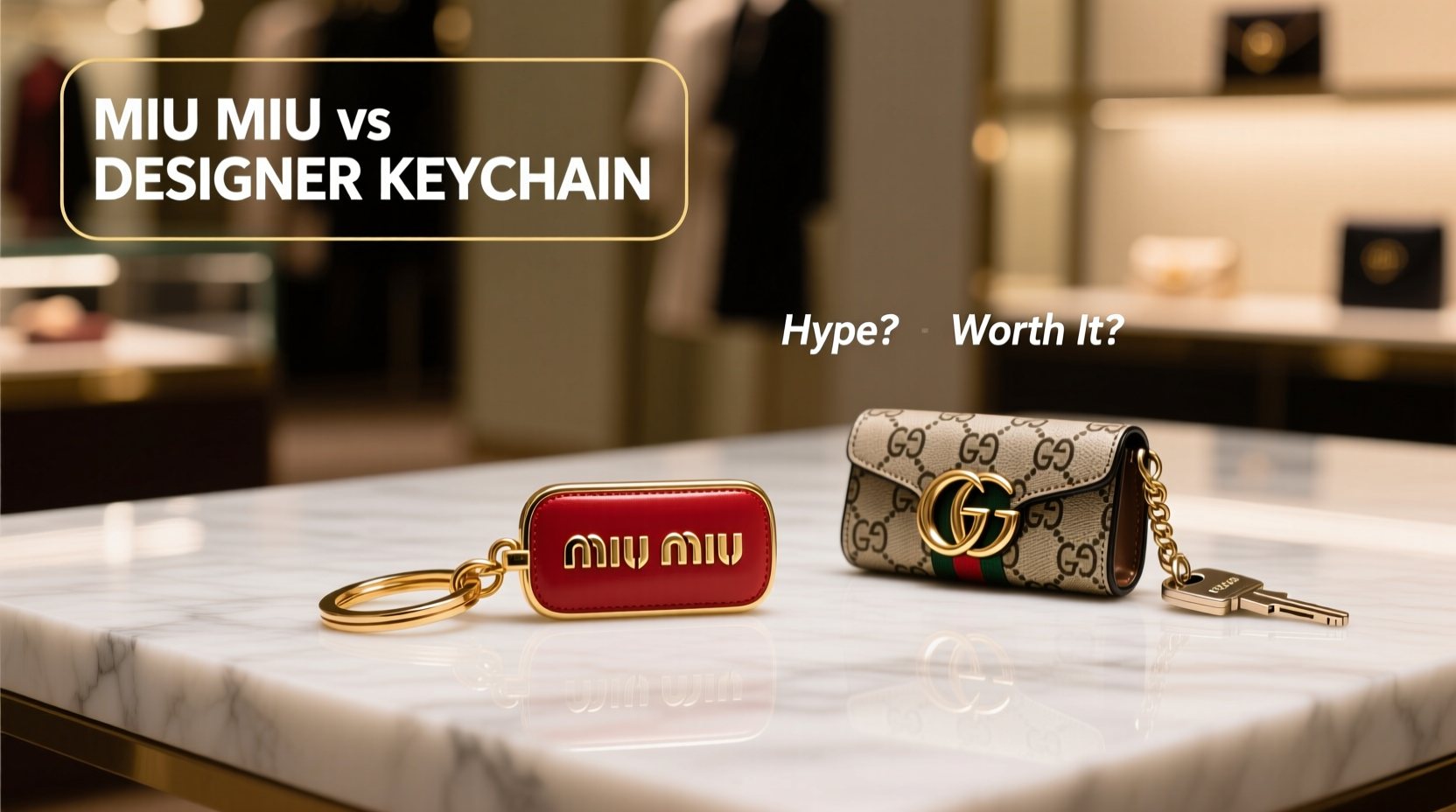
Designer keychains have evolved from functional add-ons into standalone fashion statements. In the early 2000s, brands began offering small leather goods with their logos emblazoned prominently—think Gucci’s Interlocking G charm or Louis Vuitton’s iconic key holders. These items were affordable entry points into luxury, often priced between $150 and $300.
Miu Miu, the younger, more whimsical sister of Prada, redefined this space in 2022 with its oversized enamel keychains featuring playful motifs like hearts, stars, and cartoonish faces. Priced at around $590, these pieces sold out instantly—not because they unlocked anything, but because they looked good on Instagram. Influencers clipped them to tote bags, zipped them into pouches, and even wore them as necklaces.
“Accessories are no longer secondary—they’re primary branding tools. A $600 keychain says more about identity than a wallet.” — Lena Moretti, Luxury Market Analyst at Vogue Business
The shift reflects broader changes in consumer behavior. Younger buyers prioritize visibility, uniqueness, and social currency over pure functionality. As full-price handbag purchases become less frequent due to economic pressures, micro-luxury items fill the desire gap.
Material & Craftsmanship: Miu Miu vs Established Designers
Let’s examine construction. Miu Miu’s enamel keychains feature hand-painted details, zinc alloy bases, and genuine leather straps. The finish is glossy, vibrant, and meticulously detailed. However, enamel is inherently fragile—prone to chipping if dropped or scraped against hard surfaces.
Compare that to a Saint Laurent YSL Monogram Key Pouch made from grained calfskin. It offers durability, water resistance, and develops a rich patina over time. Or consider Hermès’ Toile H key holder: crafted from durable cotton canvas with leather trim, it’s understated yet built to last decades.
While Miu Miu excels in aesthetic novelty, traditional designers win in longevity. Their materials are selected not just for appearance but for resilience under daily use. That doesn’t mean Miu Miu’s craftsmanship is poor—it’s excellent within its category—but it serves a different purpose: short-term impact over long-term endurance.
Price vs. Value Comparison
Pricing alone doesn’t determine worth. Let’s break down real value across multiple dimensions.
| Brand | Average Price | Material Quality | Durability | Resale Value (After 1 Year) | Emotional Appeal |
|---|---|---|---|---|---|
| Miu Miu Enamel Keychain | $590 | High (hand-finished enamel) | Medium (fragile coating) | Low–Moderate (~30–50% loss) | Very High (trend-driven) |
| Gucci GG Marmont Keychain | $290 | Medium-High (calfskin, metal hardware) | High | Moderate (~20% loss) | High (classic logo appeal) |
| Saint Laurent Leather Key Pouch | $350 | High (full-grain leather) | Very High | High (~10–15% loss) | Medium (understated elegance) |
| Hermès Toile H Key Holder | $220 | High (canvas + leather) | Very High | Very High (often resells above retail) | Medium-High (heritage prestige) |
As shown, Miu Miu commands a premium price despite lower projected resale value and moderate durability. Its strength lies almost entirely in emotional appeal—its ability to generate attention, likes, and social validation.
Real Example: The Collector Who Regretted the Hype
Jessica L., a 28-year-old marketing consultant based in Los Angeles, purchased two Miu Miu keychains during the 2023 holiday season—one heart-shaped, one star-shaped. “I saw them everywhere,” she said. “They looked so cute on my Reversible Tote. I thought, ‘This is art. This is fashion.’”
Within six months, both had visible chips on the enamel edges. One lost its luster after being left in direct sunlight in her car. She tried reselling them online and received offers between $250 and $300 total—less than half her original spend.
“I wouldn’t say I regret buying them,” Jessica admitted. “But I realize now they were more like costumes than investments. If I wanted something beautiful *and* lasting, I should’ve gone for a vintage Chanel key case or even a simple Bottega Veneta piece.”
Her experience underscores a growing sentiment: trend-led accessories offer intense but short-lived satisfaction. They serve a moment, not a lifetime.
When a Miu Miu Keychain Makes Sense (And When It Doesn’t)
There are scenarios where purchasing a Miu Miu keychain is perfectly rational—even smart.
- You're building a themed collection: If you specialize in enamel novelties or pop-art-inspired fashion items, Miu Miu fits naturally.
- It brings you joy: Emotional utility counts. If clipping a glittery star to your bag makes your day brighter, that’s valid.
- You’re investing in visibility: For influencers or creatives whose personal brand thrives on bold visuals, these pieces act as wearable content.
Conversely, avoid it if:
- You expect long-term wear or resale returns.
- You prioritize minimalism or timeless aesthetics.
- You’re on a tight budget and want maximum value per dollar.
“Luxury should enhance your life, not complicate it. Ask yourself: Am I buying this for me, or for someone else’s feed?” — Diego Reyes, Ethical Fashion Advocate
Checklist: Is This Keychain Worth Your Investment?
Before clicking “Add to Cart,” run through this checklist:
- ✅ Does it align with my personal style beyond current trends?
- ✅ Can I see myself using or displaying it in two years?
- ✅ Is the material suitable for regular handling?
- ✅ Have I researched resale platforms to estimate future value?
- ✅ Am I buying it for emotional fulfillment or social pressure?
- ✅ Could a similar aesthetic be achieved at a lower cost or higher durability?
If you answered “no” to three or more, reconsider. Passion purchases are fine, but clarity prevents buyer’s remorse.
Frequently Asked Questions
Are Miu Miu keychains considered authentic designer pieces?
Yes. Miu Miu is a registered luxury fashion house owned by Prada Group. All keychains are produced under official brand supervision and carry authenticity markers such as serial codes and branded packaging.
Do designer keychains hold value over time?
Most do not—especially trend-driven ones. Exceptions include limited editions, heritage designs (e.g., Hermès), or items tied to major collaborations. Generally, expect depreciation unless the item becomes culturally iconic.
Can I insure a $600 keychain?
You can, through personal property riders on home insurance or specialized luxury item policies. However, insurers may require appraisal and proof of purchase. Most find the administrative effort disproportionate to the risk.
Conclusion: Beyond the Hype, Find Your Own Worth
The Miu Miu keychain isn’t inherently “worth it” or “not worth it.” Its value depends entirely on your definition of worth. If you measure it in joy, aesthetic expression, or digital engagement, it may deliver handsomely. But if you judge by craftsmanship longevity, practicality, or financial return, established designer alternatives consistently outperform.
Luxury doesn’t have to mean expensive. It should mean meaningful. Whether you choose a whimsical enamel charm or a quietly elegant leather fob, let intention guide your choice—not algorithmic trends.




 浙公网安备
33010002000092号
浙公网安备
33010002000092号 浙B2-20120091-4
Comments
No comments yet. Why don't you start the discussion?