
Mornings can feel like a minefield when you have ADHD. The alarm rings, but your brain isn’t ready. You scramble through decisions, lose track of time, and by 9 a.m., you're already behind. For neurodivergent minds, traditional routines often fail—not because of lack of effort, but because they don’t account for executive function challenges, sensory sensitivities, and motivation delays.
The key isn’t just creating a routine—it’s designing one that works *with* an ADHD brain, not against it. This means embracing flexibility, reducing friction, and using strategies grounded in neuroscience and real-world success. What follows is a reimagined morning structure built on predictability, momentum, and self-compassion—because consistency doesn’t require perfection.
Why Standard Routines Fail for ADHD Brains
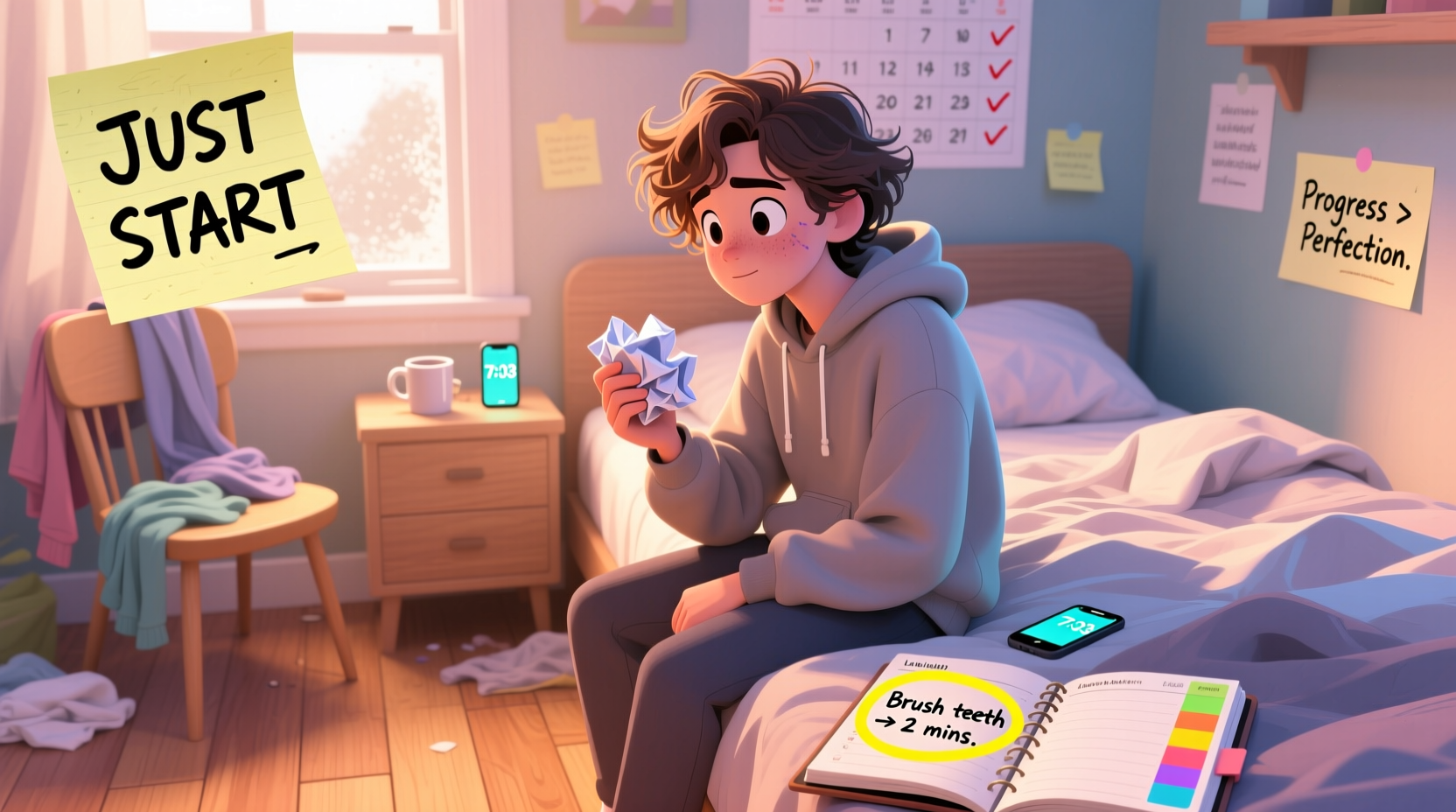
Most advice about morning routines assumes linear thinking, consistent energy, and reliable memory. But ADHD affects working memory, task initiation, emotional regulation, and time perception. A routine that relies on willpower or discipline alone is likely to collapse under the weight of mental fatigue.
Dr. Russell Barkley, a leading expert in ADHD research, emphasizes that “ADHD is not a disorder of knowing what to do—it’s a disorder of doing what you know.” In other words, people with ADHD understand the benefits of brushing their teeth or making the bed, but initiating those actions requires external triggers or scaffolding.
“ADHD is less about attention deficit and more about intention management.” — Dr. Ari Tuckman, Clinical Psychologist and ADHD Specialist
Without systems tailored to neurodivergence, even well-intentioned habits fall apart. That’s why successful ADHD-friendly routines focus less on rigid schedules and more on environmental design, sensory cues, and micro-habits that build momentum.
Core Principles of an ADHD-Friendly Morning Routine
An effective morning strategy must be forgiving, engaging, and low-effort at the point of entry. Here are the foundational principles:
- Reduce decision fatigue: Limit choices early in the day. Pre-plan clothes, breakfast, and hygiene items the night before.
- Leverage body-doubling: Use video calls, live streams, or even virtual co-working spaces to simulate accountability.
- Anchor tasks to existing behaviors: Pair new habits with automatic ones (e.g., brushing teeth right after putting on pajamas).
- Use visual and auditory cues: Alarms, sticky notes, or colored labels make invisible tasks visible.
- Embrace imperfection: Missing a step isn’t failure—it’s feedback. Adjust without shame.
Step-by-Step: Building a Morning Routine That Sticks
This isn’t about waking up at 5 a.m. to journal and meditate. It’s about creating a sequence that feels natural, manageable, and repeatable—even on hard days. Follow this timeline to build sustainable momentum.
- Night-Before Prep (5–10 minutes)
Lay out clothes, pack bags, set coffee maker, write tomorrow’s top 3 priorities on a sticky note. Reducing morning friction starts the evening before. - Wake-Up Strategy (0–5 minutes after alarm)
Use a sunrise alarm clock or place your phone across the room. Avoid checking messages immediately. Instead, say aloud: “I’m awake now.” This verbal cue helps shift from sleep mode to alertness. - Get Out of Bed Within 2 Minutes
Set a timer. Once feet hit the floor, go straight to the bathroom. No lying back down. If needed, use a fun song as a “get-up soundtrack” to create positive association. - Hydration First (Not Caffeine)
Drink a glass of water before coffee. Dehydration worsens brain fog. Keep a filled bottle by your bedside. - Micro-Movement (3–5 minutes)
Do five jumping jacks, stretch, or dance to one song. Movement increases dopamine, which improves focus and mood. - Hygiene Chain (Brush Teeth → Wash Face → Get Dressed)
Link these actions together. Use a checklist on the bathroom mirror. Check off each item immediately. - Fuel Your Brain (Protein-Rich Breakfast)
Avoid sugar-heavy options. Opt for eggs, yogurt, or a smoothie. Eat while reviewing your priority list. - Review Intentions (2 Minutes)
Look at your sticky note: “Today I will finish X,” “Call Y,” “Start Z.” Don’t plan every hour—just identify one meaningful action.
Sample ADHD-Optimized Morning Timeline
| Time | Action | ADHD Hack |
|---|---|---|
| 6:30 AM | Sunrise alarm goes off | Light mimics dawn, easing wakefulness |
| 6:31 AM | Feet on floor, walk to bathroom | Physical movement prevents return to bed |
| 6:33 AM | Drink pre-filled water bottle | Reduces decision-making; supports cognition |
| 6:35 AM | Brush teeth + wash face | Chained tasks prevent drop-off |
| 6:40 AM | Dress in pre-laid outfit | Eliminates choice paralysis |
| 6:45 AM | Eat protein-rich breakfast | Stabilizes blood sugar and attention |
| 7:00 AM | Review daily intention | Focuses mind on one key outcome |
Real Example: How Maya Went From Chaos to Consistency
Maya, a 32-year-old graphic designer with ADHD, used to miss deadlines because her mornings were unpredictable. She’d wake up late, skip breakfast, and spend 20 minutes searching for her keys. After three months of failed habit trackers, she redesigned her approach.
Instead of aiming for a “perfect” routine, she focused on one anchor: getting dressed within five minutes of waking. She laid out her clothes the night before and placed them on a chair labeled with a bright pink sticker. To make it fun, she played a favorite pop song only during dressing time.
Within two weeks, this small win created ripple effects. Because she was dressed early, she felt “ready” sooner. That made brushing her teeth and eating breakfast easier. Eventually, she added hydration and a daily priority note. Six months later, her mornings aren’t flawless—but they’re functional, and she hasn’t missed a client deadline since.
Her insight? “I stopped trying to be ‘normal.’ I built a routine that rewards me for showing up, not for being perfect.”
Checklist: Build Your ADHD-Smart Morning Routine
Use this actionable checklist to create your personalized system. Complete it over a few evenings—don’t rush.
- 🔲 Choose one non-negotiable morning action (e.g., drink water, get dressed)
- 🔲 Prepare clothes and essentials the night before
- 🔲 Set up a visual cue (sticky note, colored tape) for your first task
- 🔲 Pick a wake-up sound or light that feels gentle, not jarring
- 🔲 Place a full water bottle next to your bed
- 🔲 Identify one dopamine-boosting activity (dancing, stretching, music)
- 🔲 Write tomorrow’s top 1–3 priorities before bed
- 🔲 Test your routine for 3 days, then adjust based on what worked
Common Pitfalls and How to Avoid Them
Even with good intentions, certain traps derail ADHD routines. Recognizing them early helps maintain progress.
| Pitfall | Why It Happens | Solution |
|---|---|---|
| Overplanning the routine | Trying to do too much leads to burnout | Start with 2–3 steps max. Add only when consistent. |
| Using harsh alarms | Sudden noise increases anxiety and shutdown risk | Switch to gradual light or vibration alerts. |
| Checking phone first thing | Triggers distraction loop and emotional spikes | Leave phone charging outside bedroom. |
| Skipping weekends | Inconsistency breaks habit formation | Keep core anchors (e.g., hydration, dressing) 7 days/week. |
| Shaming yourself for missing a day | Perfectionism kills long-term adherence | Treat slip-ups as data, not failure. Ask: “What got in the way?” |
FAQ: Real Questions from ADHD Minds
What if I can’t stick to the same wake-up time every day?
That’s okay. Focus on consistency of actions, not timing. Whether you wake at 6 a.m. or 8 a.m., do the same three things: hydrate, move, and review your intention. Flexibility within structure builds sustainability.
How do I motivate myself when I feel nothing matters?
ADHD often comes with emotional flatness or rejection sensitivity. Instead of waiting for motivation, use “body-first” strategies: stand up, splash water on your face, or hum a tune. Action often precedes motivation, not the other way around.
Can medication help with morning routines?
For many, yes. Stimulant medications take time to reach full effect—some people dose earlier or use a delayed-release formulation to support morning activation. Always consult your prescriber before adjusting treatment.
Conclusion: Start Small, Stay Kind, Keep Going
A morning routine for ADHD isn’t about discipline. It’s about design. By reducing friction, adding delight, and focusing on tiny wins, you create a foundation that supports focus, reduces anxiety, and fosters self-trust.
You don’t need to overhaul your life overnight. Pick one element—a water bottle by the bed, a pre-laid outfit, a single priority—and protect it like it matters. Because it does. Each small act of showing up rewires your brain to believe: *I can do this.*




 浙公网安备
33010002000092号
浙公网安备
33010002000092号 浙B2-20120091-4
Comments
No comments yet. Why don't you start the discussion?