
In recent years, a peculiar trend has gained traction in wellness and biohacking circles: sealing your lips shut with tape before bedtime. Mouth taping—typically using porous medical tape—is promoted as a simple way to shift breathing from the mouth to the nose during sleep. Advocates claim it reduces snoring, improves sleep quality, and even boosts daytime energy. But does this practice hold up under scrutiny, or is it just another viral gimmick? More importantly, can something as minor as changing your breathing pathway genuinely influence how energized you feel each day?
The connection between breathing and energy is deeper than many realize. Poor sleep hygiene, obstructive breathing patterns, and chronic mouth breathing can all contribute to fatigue, brain fog, and low stamina. Mouth taping aims to correct one of these factors by encouraging nasal breathing—a physiological state linked to better oxygen uptake, reduced airway resistance, and improved carbon dioxide balance. While the idea may sound extreme, its roots are grounded in respiratory physiology and sleep medicine.
The Science Behind Nasal Breathing and Energy
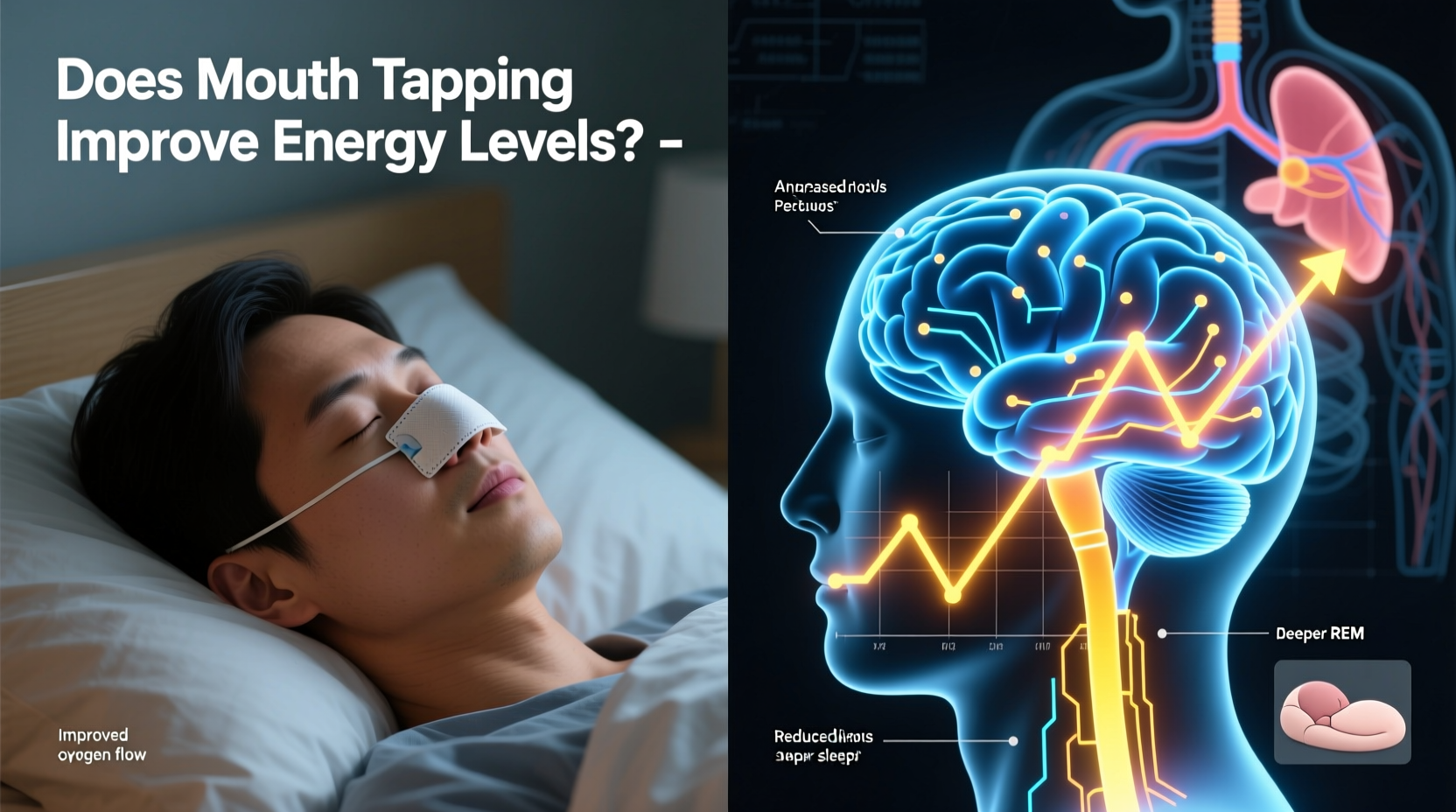
Nasal breathing isn’t just a preference—it’s a biological design. The nose filters, warms, and humidifies incoming air, reducing irritation to the lungs. It also produces nitric oxide, a molecule that enhances oxygen absorption in the lungs and supports cardiovascular health. In contrast, mouth breathing bypasses these benefits and is associated with drier airways, increased risk of infections, and disrupted sleep architecture.
When you breathe through your nose, especially during sleep, your body maintains a more balanced level of oxygen and carbon dioxide. This balance supports optimal function of the autonomic nervous system, particularly the parasympathetic (\"rest and digest\") mode, which is essential for restorative sleep. Poorly regulated breathing—especially habitual mouth breathing—can lead to over-breathing (hyperventilation), which lowers CO₂ levels and constricts blood vessels, including those supplying the brain. The result? Reduced cerebral blood flow, contributing to morning grogginess and daytime fatigue.
“Nasal breathing optimizes gas exchange and stabilizes respiratory rate, creating conditions for deeper, more efficient sleep.” — Dr. Steven Park, ENT Specialist and Sleep Apnea Researcher
By encouraging nasal breathing, mouth taping attempts to align nighttime respiration with our natural physiology. Over time, consistent nasal breathing during sleep may reduce sleep disruptions, enhance oxygen saturation, and support more restful recovery—all of which are foundational to sustained energy levels.
How Mouth Taping May Improve Energy Levels
Energy isn’t just about how much coffee you drink or how many hours you sleep. True energy stems from cellular efficiency, hormonal balance, and uninterrupted sleep cycles. Mouth taping indirectly supports these systems by targeting one key bottleneck: inefficient breathing.
- Improved Sleep Quality: Nasal breathing promotes slower, deeper breaths, which are linked to increased slow-wave and REM sleep—the stages most critical for physical repair and cognitive restoration.
- Reduced Snoring and Micro-Arousals: Mouth breathing often leads to airway collapse and vibration (snoring), which fragments sleep. Even if you don’t wake up fully, these micro-interruptions prevent deep rest, leaving you tired despite adequate time in bed.
- Better Oxygen Utilization: Nitric oxide from nasal passages improves oxygen delivery to tissues, supporting mitochondrial function—the powerhouses of your cells.
- Decreased Dry Mouth and Throat Irritation: Waking up with a dry mouth or sore throat can impair alertness. Nasal breathing keeps mucous membranes hydrated, promoting clearer-headed mornings.
A 2020 pilot study published in *The Journal of Oral Rehabilitation* found that participants who used mouth tape for three weeks reported less daytime sleepiness and improved subjective sleep quality. Though small in scale, the findings suggest a tangible link between enforced nasal breathing and next-day vitality.
Potential Risks and Who Should Avoid It
Mouth taping is not without controversy. Critics argue that restricting an airway—even partially—could be dangerous, especially for people with undiagnosed sleep apnea, nasal obstructions, or respiratory conditions.
If your nasal passages are blocked due to allergies, deviated septum, or congestion, forcing nasal breathing could lead to hypoxia (low oxygen) or frequent awakenings. In severe cases of obstructive sleep apnea (OSA), mouth taping might create a false sense of security while underlying breathing cessations continue untreated.
Certain individuals should avoid mouth taping altogether:
- People diagnosed with moderate to severe sleep apnea
- Those with chronic sinus issues or nasal polyps
- Individuals with asthma or COPD
- Children and pregnant women (due to limited safety data)
Even for healthy adults, improper technique can cause skin irritation, anxiety, or disrupted sleep if the tape feels restrictive. The goal is gentle encouragement—not forceful restriction.
Do’s and Don’ts of Mouth Taping
| Do’s | Don’ts |
|---|---|
| Use hypoallergenic, porous tape (e.g., 3M Micropore) | Use duct tape or non-breathable adhesive |
| Apply a thin strip vertically from lip to chin | Seal lips completely horizontally across the mouth |
| Clear nasal passages before bed (rinse or decongest) | Attempt it with a stuffy nose |
| Start with 1–2 nights per week | Force yourself to keep it on if panicking |
| Pair with other sleep hygiene practices | Replace CPAP therapy without medical approval |
Step-by-Step Guide to Safe Mouth Taping
If you’re curious but cautious, follow this gradual approach to test whether mouth taping suits your physiology and lifestyle.
- Evaluate Your Breathing Pattern: During the day, notice whether you breathe through your nose or mouth. At night, ask a partner if you snore or breathe with an open mouth. Alternatively, record yourself sleeping.
- Clear Nasal Passages: Use a saline rinse, neti pot, or steam inhalation before bed to ensure free airflow. Consider treating allergies if they’re a recurring issue.
- Choose the Right Tape: Select medical-grade paper tape with low adhesion. Cut a strip about 1.5 inches long—enough to gently seal the center of your lips.
- Practice While Awake: Sit comfortably and apply the tape. Breathe calmly through your nose for 5–10 minutes. Remove it immediately if you feel discomfort.
- Try During Daytime Naps: Begin with short durations to assess tolerance. Note any changes in breathing ease or anxiety.
- Progress to Nightly Use: Once comfortable, attempt full-night taping. Keep the tape within easy reach so you can remove it if needed.
- Monitor Effects Over Two Weeks: Track sleep quality, morning alertness, snoring, and dry mouth. Use a journal or app to log observations.
- Reassess and Adjust: If no improvement—or if symptoms worsen—discontinue use. Consult a sleep specialist if you suspect sleep-disordered breathing.
Real-World Example: A Case Study in Consistency
James, a 42-year-old software developer, struggled with persistent fatigue despite sleeping seven to eight hours nightly. He often woke with a dry throat, relied on multiple coffees to stay focused, and experienced mid-afternoon crashes. After reading about mouth taping, he decided to try it—first during weekend naps, then gradually at night.
He began by rinsing his sinuses with a saline spray and using a humidifier. He applied a small piece of Micropore tape vertically over his lips. The first few nights were awkward; he removed the tape twice when he felt short of breath. But by night five, his body adapted. Within two weeks, James noticed fewer nighttime awakenings, less snoring (confirmed by his partner), and a marked reduction in morning grogginess.
After a month, he reported feeling “sharper” during work hours and no longer needing an afternoon nap. His resting heart rate, tracked via a smartwatch, dropped slightly, suggesting improved autonomic balance. While not a cure-all, mouth taping became part of his broader sleep optimization routine—including limiting screen time and maintaining a cool bedroom.
Expert Insights and Medical Perspectives
While anecdotal reports abound, what do healthcare professionals say?
“Mouth taping won’t fix sleep apnea, but for mild mouth breathers, it can reinforce healthier habits. Think of it as ‘training wheels’ for nasal breathing.” — Dr. Olivia Smith, Integrative Sleep Coach
Many dentists and orthodontists support nasal breathing for its role in facial development and airway health, especially in children. The concept is central to disciplines like myofunctional therapy, which re-educates oral muscles to promote proper tongue posture and lip seal.
However, experts emphasize that mouth taping should never replace formal diagnosis. “If fatigue persists despite good sleep habits, rule out sleep apnea, anemia, thyroid issues, or depression,” advises Dr. Alan Wu, pulmonologist. “Taping might help symptoms, but it doesn’t treat root causes.”
Frequently Asked Questions
Can mouth taping help with sleep apnea?
No, mouth taping is not a treatment for obstructive sleep apnea (OSA). OSA involves partial or complete airway collapse, often requiring CPAP therapy or oral appliances. Using tape without addressing the underlying condition can be dangerous. Always consult a sleep physician if you suspect apnea.
Is it safe to swallow saliva while mouth taping?
Yes. Swallowing is a natural reflex and continues during sleep regardless of mouth position. The tape only seals the lips, not the oral cavity. Saliva will still drain into the throat. However, if you experience choking sensations or excessive drooling, discontinue use.
How long does it take to see results from mouth taping?
Some people report improved sleep quality within a few nights. Others take two to four weeks to adapt. Consistency matters. Pairing taping with nasal clearance routines increases success. Track changes in energy, focus, and breathing patterns over at least 14 days for meaningful assessment.
Final Thoughts: A Tool, Not a Cure
Mouth taping isn’t magic. It’s a behavioral nudge—one that leverages basic physiology to encourage a more natural breathing pattern during sleep. For individuals who chronically breathe through their mouths due to habit rather than obstruction, it can lead to quieter sleep, fewer disruptions, and noticeably higher energy levels upon waking.
But it’s not for everyone. Safety comes first. If you have any respiratory concerns, get evaluated before trying this method. Used wisely, mouth taping can be a low-cost, low-risk experiment in optimizing one of the most overlooked aspects of health: how we breathe.
Energy isn’t just about willpower or caffeine. It’s built during the quiet hours of rest, shaped by subtle factors like airflow, oxygen balance, and nervous system regulation. By paying attention to how you breathe at night, you may unlock a simpler, more sustainable source of vitality—one breath at a time.




 浙公网安备
33010002000092号
浙公网安备
33010002000092号 浙B2-20120091-4
Comments
No comments yet. Why don't you start the discussion?