
When choosing a handbag, one of the most common dilemmas is whether to go for a multi-color design or stick with a classic solid tone. The promise of a multi-color bag is undeniable—vibrant, expressive, and seemingly versatile across seasons and styles. On the other hand, solid color bags are praised for their timeless appeal and effortless pairing. But which one actually \"matches everything,\" as so many fashion claims suggest? The answer isn’t as straightforward as it seems, and depends on your wardrobe, lifestyle, and personal aesthetic.
The Myth of \"Matching Everything\"
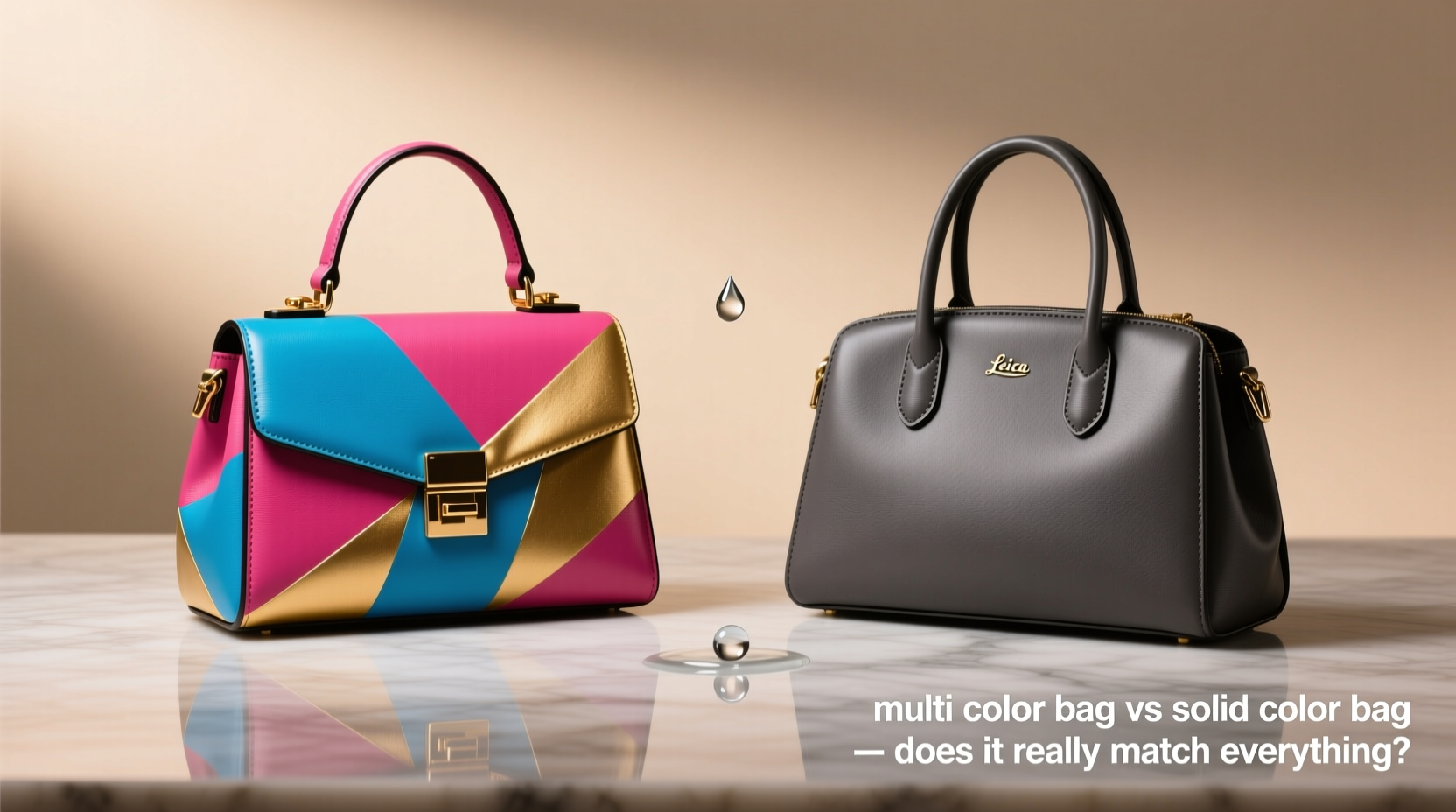
The idea that any accessory can universally complement every outfit is more marketing myth than reality. While some pieces come close, true versatility lies in how well an item integrates with your existing wardrobe rather than its standalone appearance. A bag doesn’t exist in isolation—it interacts with your clothing, shoes, occasion, and even environment.
A solid black tote might seem like the ultimate neutral, but pair it with an all-black ensemble and it could disappear into the background. Conversely, a bold multi-color boho satchel may pop beautifully against a white linen dress but clash with a tailored navy suit. Understanding this dynamic helps shift the conversation from “does it match everything?” to “how well does it work within my world?”
Understanding Color Theory in Accessories
To evaluate real compatibility, consider basic color theory. Solid color bags rely on tonal harmony. Neutral shades like black, beige, navy, or gray serve as anchors—they don’t compete with clothing but instead provide balance. These colors operate much like foundation garments: reliable, subtle, and effective.
Multi-color bags, however, introduce multiple hues into an outfit. Their success hinges on at least one color echoing something else you’re wearing—a shoe, a scarf, or even nail polish. This creates visual cohesion. For example, a bag featuring turquoise, coral, and cream works best when paired with clothing that includes at least one of those tones. Without that connection, the bag risks looking disconnected or chaotic.
“Accessories should enhance an outfit, not dominate it. A multi-color bag demands attention—make sure it’s invited.” — Lila Chen, Stylist & Fashion Editor at *Urban Edge Magazine*
Comparing Practicality: Multi-Color vs Solid Color
Let’s break down the core strengths and limitations of each type using real-world criteria:
| Criteria | Multi-Color Bag | Solid Color Bag |
|---|---|---|
| Versatility | Moderate – works best when colors align with outfit | High – especially neutrals (black, tan, navy) |
| Style Impact | High – instantly draws attention | Low to Medium – blends in unless texture stands out |
| Seasonal Flexibility | Depends on palette – floral prints suit spring/summer | Year-round if neutral; seasonal if bright |
| Wardrobe Integration | Requires planning and matching elements | Easily layered with minimal effort |
| Durability Perception | Fades trend faster due to pattern specificity | Timeless appeal; less subject to trends |
Real-Life Example: Two Days, Two Bags
Consider Sarah, a graphic designer with a creative yet professional wardrobe. On Monday, she wears a crisp white blouse, dark jeans, and tan loafers. She chooses her new multi-color woven tote—featuring rust, olive, and mustard threads. The mustard picks up the gold buttons on her blouse, and the earthy tones echo her leather accessories. The look feels intentional and vibrant.
On Tuesday, she has back-to-back client meetings in a minimalist office setting. She swaps to a structured charcoal-gray shoulder bag. It complements her monochrome pantsuit without distracting from her presentation. Her colleagues comment on her polished appearance—something the colorful tote, while beautiful, might have undermined in that context.
This small case study illustrates that neither bag is inherently better. Each excels in different environments based on purpose, professionalism, and coordination.
How to Choose Based on Your Lifestyle
Your daily routine plays a crucial role in determining which bag serves you best. Ask yourself these questions:
- Do I wear mostly solids or patterns?
- How often do I change my outfits throughout the week?
- Am I drawn to bold self-expression or understated elegance?
- Do I need one bag for everything, or can I rotate options?
If your wardrobe leans toward minimalism, monochrome dressing, or corporate attire, a solid color bag—especially in black, taupe, or deep green—will offer greater flexibility. It becomes invisible in the best way: always appropriate, never clashing.
If your style embraces eclecticism, global influences, or seasonal color palettes, a multi-color bag can be a powerful tool for adding depth and personality. Think of it like jewelry: a statement piece that elevates a simple look.
Step-by-Step Guide: Building Around Your Bag Choice
- Inventory your closet: Identify dominant colors and textures.
- Pick a base bag color: Start with one neutral solid bag (e.g., black or camel).
- Add one accent bag: Choose a multi-color option with at least two tones present in your wardrobe.
- Test combinations: Wear each bag with three different outfits and assess harmony.
- Evaluate frequency of use: After one month, note which bag you reach for most—this reveals your true preference.
Expert Insight: What Designers Say
Fashion insiders often advocate for owning both types—but in strategic proportions. According to Marcus Reed, lead accessory designer at Atelier Noir:
“You don’t need ten bags. You need three: one neutral workhorse, one seasonal statement, and one fun wildcard. The multi-color bag is your wildcard. It’s not about matching everything—it’s about matching the moment.”
This philosophy shifts focus from universal compatibility to emotional resonance. A bag shouldn’t just coordinate—it should reflect who you are on a given day.
Checklist: Is This Bag Right for Me?
Before purchasing, ask yourself:
- ✅ Does at least one color in this bag appear in 3+ items in my closet?
- ✅ Can I imagine wearing this with both casual and dressy outfits?
- ✅ Will I still love this design in six months, or is it trend-driven?
- ✅ Does it fit my lifestyle (e.g., size, comfort, durability)?
- ✅ Am I buying it because I love it—or because it’s “supposed” to go with everything?
Frequently Asked Questions
Can a multi-color bag work with a monochrome outfit?
Yes—if one of the bag’s colors echoes part of your ensemble. For instance, a black-and-white striped dress pairs well with a red-multi bag if your lipstick or heels are also red. Otherwise, the contrast may feel jarring.
Is a neutral solid bag always the safer choice?
Generally, yes—but only if it suits your lifestyle. A pure white bag may be neutral, but it’s impractical for daily commuting. “Safe” means both stylistically and functionally appropriate.
Should I avoid multi-color bags if I’m colorblind?
Not necessarily. Focus on texture, contrast, and shape. Many multi-color bags use distinct patterns (stripes, geometric blocks) that are distinguishable even without perfect color perception. Test in natural light before buying.
Final Thoughts: Matching Isn’t Magic—It’s Strategy
No bag, no matter how boldly marketed, truly matches everything. The illusion of universal compatibility comes from careful curation behind the scenes—matching undertones, repeating accents, and balancing proportions. Solid color bags win in convenience and longevity; multi-color bags win in expression and creativity.
The smartest approach isn’t choosing one over the other, but building a balanced collection. Keep a solid-colored staple for reliability. Then, add one thoughtfully chosen multi-color piece that sparks joy and connects with your existing palette. When used intentionally, both can elevate your style—just in different ways.




 浙公网安备
33010002000092号
浙公网安备
33010002000092号 浙B2-20120091-4
Comments
No comments yet. Why don't you start the discussion?