
In an age where minimalism and functionality are both prized, choosing between a multifunctional key pouch and a simple key case has become more than just a matter of preference—it’s a lifestyle decision. Some people want everything in one place: keys, cards, cash, and even a USB drive. Others value only what’s essential: keys, nothing more. But which approach actually improves daily life? Is the added utility of extra space worth sacrificing slimmer profiles and streamlined design?
The answer isn’t universal. It depends on your habits, how many items you carry daily, and what kind of user experience you prioritize—efficiency, comfort, or convenience. Let’s break down the real-world trade-offs.
Defining the Options
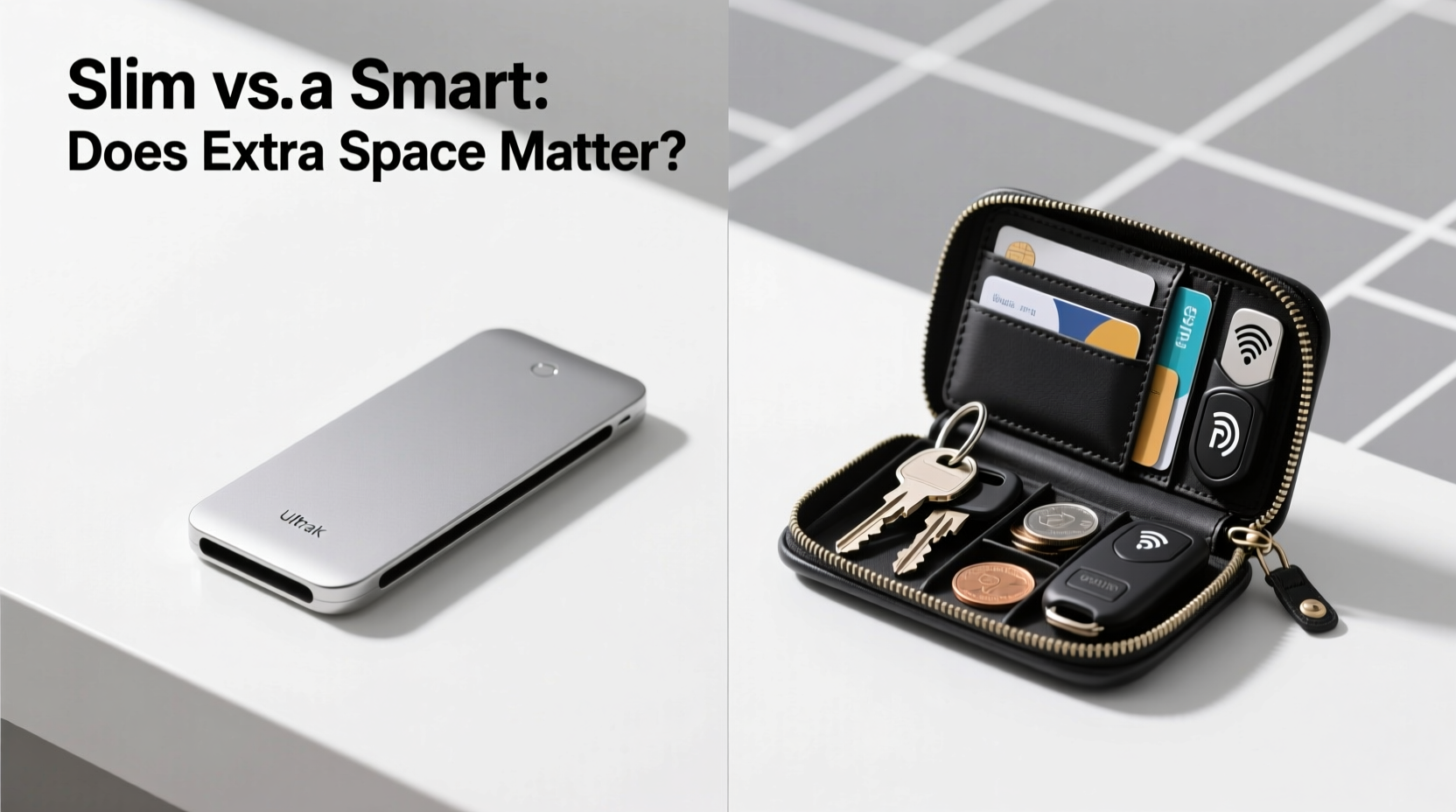
A simple key case is designed with one goal: to protect and organize keys. Typically made from leather, metal, or durable polymers, these cases eliminate jingling, prevent scratches, and keep keys neatly tucked away in a pocket or bag. They’re often flat, lightweight, and barely noticeable when carried.
A multifunctional key pouch, by contrast, expands that concept. Beyond holding keys, it includes compartments for credit cards, ID, folded bills, SIM eject tools, or even small gadgets like fobs or tracking devices. Think of it as a hybrid between a wallet and a key organizer—compact but capable of replacing multiple everyday carry (EDC) items.
When Extra Space Adds Real Value
For some users, the additional storage in a multifunctional key pouch isn’t just convenient—it eliminates redundancy. Consider someone who uses a minimalist wallet but doesn’t always bring it on quick errands. With a key pouch that holds two cards and a few dollars, they can leave the full wallet at home without feeling unprepared.
This becomes especially useful in urban environments where people make frequent stops: grabbing coffee, paying for transit, unlocking shared bikes. Having immediate access to essentials without digging through a backpack or jacket can save time and reduce friction.
One real-world example: Sarah, a freelance designer in Chicago, walks to meetings across the Loop. She carries her phone, AirPods, and keys—but no bag. Her multifunctional key pouch holds her building access card, $20 in emergency cash, and keys. “It’s saved me three times already,” she says. “Once I forgot my wallet, another time my card got declined, and once I needed exact change for a parking meter.” For her, the extra space isn’t excess—it’s insurance.
“Carrying fewer items doesn’t mean carrying less capability. The best EDC gear consolidates function without adding weight.” — James Lin, Urban Gear Designer
Slim Design Wins When Minimalism Matters
On the flip side, there’s strong merit in keeping things simple. A slim key case offers zero distractions. It slides into a front jeans pocket without pulling fabric tight or creating unsightly bulges. It doesn’t shift or rotate awkwardly when sitting. And because it contains only keys, there’s no risk of misplacing a card or cash inside a compartment you rarely check.
Moreover, simpler designs tend to last longer. Fewer zippers, flaps, or stitching points mean fewer failure points. High-quality leather key sleeves, for instance, can age beautifully over years with little maintenance. Multifunctional models, while versatile, often rely on complex closures or thin dividers that wear faster under daily stress.
If your routine involves physical activity—cycling, running errands on foot, commuting via subway—a low-profile key case reduces bounce and discomfort. It also pairs better with modern fashion trends favoring clean lines and hidden carry solutions.
Comparison: Key Features at a Glance
| Feature | Simple Key Case | Multifunctional Key Pouch |
|---|---|---|
| Primary Purpose | Hold and organize keys only | Keys + cards, cash, tools |
| Thickness | Ultra-slim (3–6mm) | Moderate (8–15mm) |
| Weight | Light (15–30g) | Medium (40–80g) |
| Durability | High (few moving parts) | Variable (depends on materials) |
| Pocket Comfort | Excellent | Fair to good |
| Versatility | Low | High |
| Ideal For | Minimalists, active users | Urban commuters, multi-tool carriers |
How to Choose Based on Your Lifestyle
Selecting the right option comes down to evaluating your daily carry pattern. Ask yourself the following questions:
- Do I regularly carry more than just keys when leaving the house?
- Am I likely to need quick access to a card or cash during short trips?
- Do I wear tight-fitting clothes where bulk matters?
- Is durability a top priority over features?
- Do I prefer organizing items separately or consolidated?
If you answered “yes” to the first two, a multifunctional pouch may serve you better. If the last three resonate more, go slim.
Step-by-Step Guide: Transitioning to a New Key Solution
- Inventory your current carry: List every item you take with keys (cards, coins, etc.).
- Identify redundancies: Are you doubling up? Could one item replace several?
- Measure your pocket space: Use a ruler to check depth and width of your most-used pocket.
- Select 2–3 candidate products: One slim case, one multifunctional model within your size limits.
- Field test for 7 days: Rotate usage based on planned activities.
- Evaluate after one week: Note comfort, ease of access, and whether anything was missed.
- Commit to one: Choose based on actual use, not initial impression.
Common Pitfalls to Avoid
- Overloading a multifunctional pouch: Just because it has space doesn’t mean you should fill it. Clutter defeats the purpose of organization.
- Ignoring material quality: Cheap synthetics crack; poor stitching unravels. Invest in full-grain leather or aerospace-grade aluminum for longevity.
- Assuming smaller is always better: A too-small case might force key overlap, making them hard to distinguish or remove quickly.
- Forgetting security: RFID-blocking lining matters if storing cards. Not all multifunctional pouches include this.
FAQ
Can a multifunctional key pouch replace my wallet entirely?
For many, yes—if you only carry a couple of cards and minimal cash. Digital payments have made full wallets less necessary. However, if you need IDs, receipts, or loyalty cards, a dedicated wallet remains more practical.
Are slim key cases harder to open?
Some designs require a bit more dexterity, especially magnetic or snap-closure types. Look for models with textured edges or pull tabs if you have limited hand strength.
Do multifunctional pouches damage cards over time?
Poorly designed ones can. Friction from keys or pressure from tight folds may warp or demagnetize strips. Choose pouches with separated, lined compartments to protect sensitive items.
Final Recommendation: Match Form to Function
The debate isn’t about which product is objectively better—it’s about alignment with your behavior. A multifunctional key pouch makes sense when integration improves efficiency. But if simplicity enhances your day-to-day experience, a slim key case will outperform any feature-rich alternative.
There’s no trophy for carrying the most in the smallest space. The goal is effortless living. Whether that means reducing bulk or increasing readiness, let your routine guide your choice—not marketing claims.




 浙公网安备
33010002000092号
浙公网安备
33010002000092号 浙B2-20120091-4
Comments
No comments yet. Why don't you start the discussion?