
Muscle spasms—sudden, involuntary contractions of one or more muscles—are a nearly universal experience. Most people have felt a cramp in their calf during sleep or a twitch in the eyelid after a long day. While often harmless and fleeting, muscle spasms can sometimes signal underlying health issues or result from lifestyle factors that are within your control. Understanding what triggers these contractions, how to manage them, and when to consult a healthcare provider is essential for maintaining comfort and mobility.
What Are Muscle Spasms?
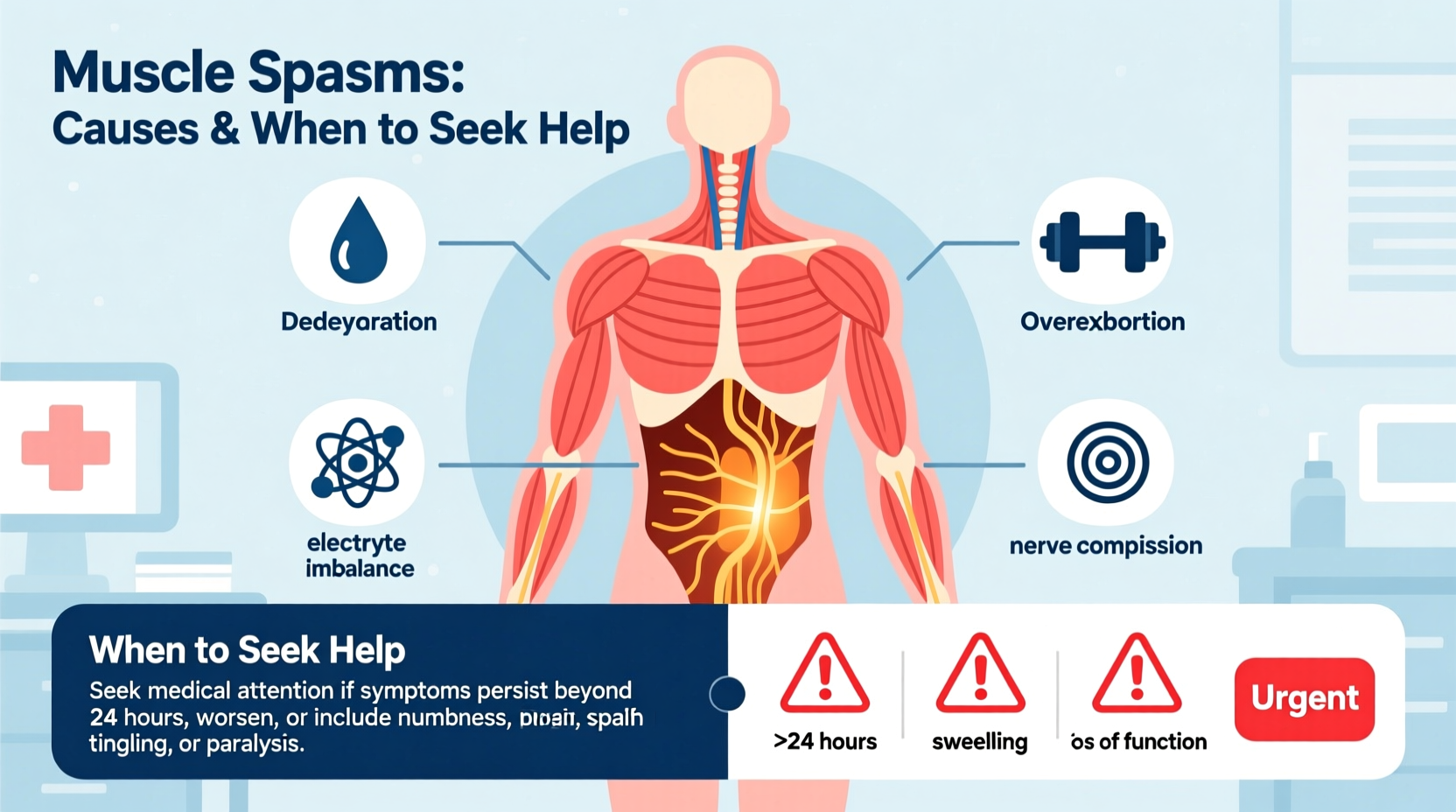
A muscle spasm occurs when a muscle tightens suddenly without conscious effort. These contractions can range from mild twitches (fasciculations) to intense, painful cramps that last several seconds or even minutes. They most commonly affect the legs, feet, back, and neck, but any skeletal muscle can be involved.
Spasms are typically categorized into three types:
- Clinical cramps: Painful, sustained contractions, often occurring at rest.
- Twitches (fasciculations): Brief, fine movements under the skin with no pain.
- Tonus spasms: Sustained stiffness, often linked to neurological conditions.
While occasional spasms are normal, frequent or severe episodes may require investigation.
Common Causes of Muscle Spasms
Muscle spasms arise from a disruption in the normal signaling between nerves and muscles. Several internal and external factors contribute to this imbalance.
1. Dehydration and Electrolyte Imbalance
Fluids and electrolytes like potassium, calcium, magnesium, and sodium play critical roles in nerve transmission and muscle contraction. When levels drop due to excessive sweating, inadequate intake, or illness, the risk of spasms increases significantly. Endurance athletes, outdoor workers, and older adults are especially vulnerable.
2. Overuse and Muscle Fatigue
Repetitive motions or prolonged physical activity without adequate rest can overwork muscle fibers. This fatigue disrupts neuromuscular control, making muscles more prone to sudden contractions. Runners, cyclists, and manual laborers frequently report exercise-induced cramps.
3. Poor Circulation
Reduced blood flow to muscles, often due to sitting or standing in one position too long, can lead to cramping. Peripheral artery disease (PAD), which narrows blood vessels in the limbs, is a more serious cause of circulation-related spasms, particularly in older adults.
4. Nerve Compression
Pinched nerves in the spine—such as from a herniated disc or spinal stenosis—can trigger spasms in the arms or legs. These are often accompanied by numbness, tingling, or radiating pain along the affected nerve pathway.
5. Medications and Medical Conditions
Some drugs, including diuretics, statins, and certain asthma medications, list muscle cramps as a side effect. Chronic conditions like diabetes, kidney disease, thyroid disorders, and liver cirrhosis can also alter electrolyte balance or nerve function, increasing spasm frequency.
“Muscle spasms are often dismissed as minor, but recurrent episodes should prompt a review of medication use and metabolic health.” — Dr. Lena Torres, Neurologist at Boston General Hospital
When to Seek Medical Help
Most muscle spasms resolve on their own and don’t require medical intervention. However, certain signs indicate the need for professional evaluation.
| Symptom | May Indicate | Action |
|---|---|---|
| Spasms lasting longer than 10 minutes | Nerve damage or severe deficiency | Consult a physician |
| Frequent cramps disrupting sleep | Electrolyte imbalance or circulatory issue | Request blood tests |
| Associated weakness or loss of function | Neurological disorder (e.g., ALS, MS) | Seek neurology referral |
| Swelling, redness, or warmth in the area | Deep vein thrombosis (DVT) | Immediate medical attention |
| History of kidney or liver disease | Metabolic dysfunction | Monitor and manage underlying condition |
Red Flags Not to Ignore
- Spasms spreading to multiple muscle groups
- Progressive muscle weakness
- Difficulty walking or holding objects
- Unexplained weight loss alongside spasms
If you experience any of these symptoms, especially if they develop gradually over weeks or months, see a healthcare provider promptly.
Prevention and Home Management
For most individuals, simple lifestyle adjustments can reduce the frequency and severity of muscle spasms.
Daily Prevention Checklist
- Stay hydrated—aim for at least 8 cups of water daily (more in heat or exercise).
- Stretch major muscle groups before bed and after workouts.
- Include magnesium-rich foods: almonds, avocados, dark leafy greens.
- Avoid prolonged sitting; stand and move every hour.
- Wear supportive footwear, especially if on your feet all day.
Immediate Relief Techniques
When a spasm strikes:
- Stretch gently: For a calf cramp, straighten the leg and pull the toes toward the shin.
- Massage the area: Apply firm, circular pressure to help relax the muscle.
- Apply heat or cold: Use a warm towel to loosen tight muscles or an ice pack if there’s inflammation.
- Walk it off: Mild movement can help restore circulation and reset neuromuscular signals.
Real-Life Example: Office Worker with Night Cramps
Mark, a 47-year-old software developer, began experiencing severe leg cramps at night, waking him up two to three times per week. He attributed them to stress but noticed they worsened after switching to a new diuretic for high blood pressure. After tracking his fluid intake and diet, he realized he was drinking less water to avoid nighttime bathroom trips—and consuming very little potassium.
His doctor ordered blood work, which revealed low potassium and borderline magnesium levels. Mark adjusted his medication timing, increased his intake of fruits and vegetables, and started a nightly stretching routine. Within three weeks, the cramps stopped entirely.
This case illustrates how seemingly minor lifestyle and medication changes can combine to trigger spasms—and how targeted interventions can resolve them.
FAQ: Common Questions About Muscle Spasms
Can dehydration really cause muscle cramps?
Yes. Even mild dehydration affects electrolyte concentration in the blood, impairing nerve signaling to muscles. This is especially true during hot weather or intense physical activity.
Are muscle twitches a sign of something serious?
Occasional twitches, like in the eyelid or thumb, are usually benign and linked to stress, caffeine, or fatigue. However, persistent or spreading twitches—especially with weakness—should be evaluated for neurological conditions.
Why do I get leg cramps at night?
Nocturnal leg cramps are common, particularly in older adults. Contributing factors include reduced daytime activity, poor circulation, certain medications, and lying in bed with feet pointed downward, which shortens calf muscles.
Conclusion: Listen to Your Body
Muscle spasms are more than just nuisances—they’re signals. Whether triggered by dehydration, overexertion, or an underlying condition, they offer insight into your body’s needs. By staying hydrated, maintaining a balanced diet, stretching regularly, and paying attention to patterns, you can often prevent spasms before they start.
But when spasms become frequent, painful, or accompanied by other symptoms, don’t dismiss them. Early medical evaluation can uncover treatable causes and prevent complications. Your muscles are working hard every moment of the day—give them the care they deserve.




 浙公网安备
33010002000092号
浙公网安备
33010002000092号 浙B2-20120091-4
Comments
No comments yet. Why don't you start the discussion?