
The narrative linking Native Americans to alcoholism is deeply entrenched in popular culture, often oversimplified and steeped in harmful stereotypes. While it's true that some Native communities experience higher rates of alcohol use disorders compared to the general U.S. population, the reality is far more nuanced. Alcohol misuse among Indigenous peoples cannot be reduced to genetics or personal failure. Instead, it must be understood within a broader context of historical trauma, systemic inequity, and ongoing social challenges. This article examines the root causes, dispels myths, and highlights pathways toward healing and resilience.
Historical Trauma and Its Lasting Impact
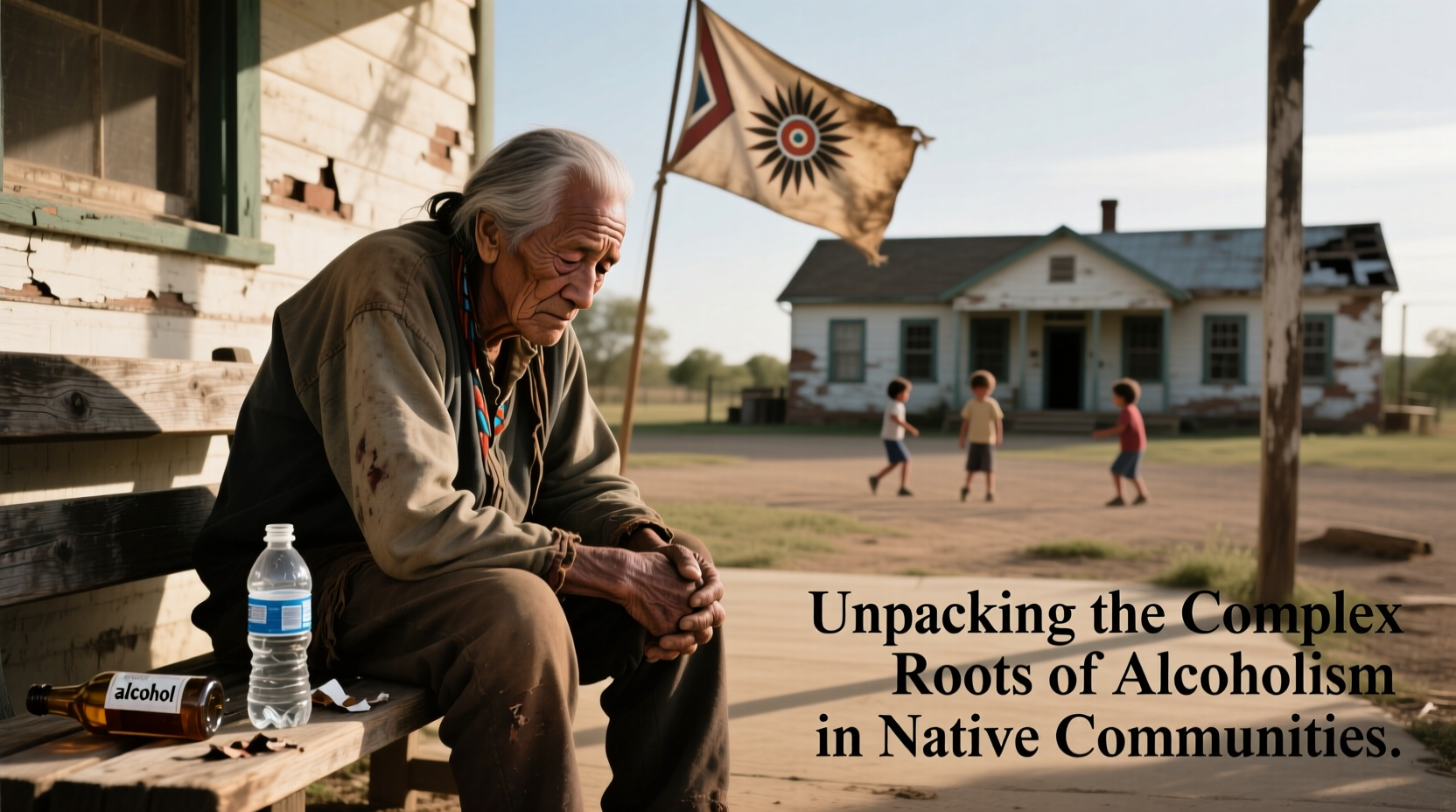
One of the most significant contributors to substance misuse in Native communities is historical trauma—the cumulative emotional and psychological wounding across generations due to colonization, forced removal, boarding schools, and cultural suppression. The U.S. government’s policies from the 19th through the 20th century systematically dismantled tribal structures, languages, and spiritual practices, leaving deep scars.
For example, the Indian Boarding School era forcibly removed children from their families with the explicit goal of “civilizing” them. These institutions banned Native languages and traditions, punished cultural expression, and subjected many children to abuse. Survivors carried this trauma into adulthood, often without access to mental health care or culturally appropriate support systems.
“Historical trauma isn’t just about what happened in the past—it’s how those experiences continue to shape identity, behavior, and health outcomes today.” — Dr. Maria Yellow Horse Brave Heart, Lakota scholar and trauma expert
This intergenerational trauma disrupts family dynamics, increases vulnerability to depression and anxiety, and contributes to coping mechanisms such as alcohol use. Without acknowledgment and healing, these cycles persist across generations.
Socioeconomic Disparities and Access Barriers
Poverty, unemployment, and limited access to healthcare are pervasive in many Native communities—especially on reservations—and strongly correlate with higher rates of substance use. According to the U.S. Census Bureau, nearly 25% of Native Americans live below the poverty line, compared to about 10% of the general population.
Rural reservation settings often lack basic infrastructure: clean water, reliable internet, transportation, and medical facilities. Behavioral health services are particularly scarce. Even when treatment programs exist, they may not reflect Native cultural values or incorporate traditional healing practices, reducing their effectiveness.
Key Socioeconomic Factors Influencing Alcohol Use
| Factor | Impact on Substance Use |
|---|---|
| Unemployment | Limits purpose and income, increasing risk of depression and substance use |
| Housing Instability | Contributes to stress and family disruption |
| Education Gaps | Reduces economic opportunity and health literacy |
| Healthcare Access | Delays diagnosis and treatment of mental health and addiction issues |
Cultural Misconceptions and the Myth of Genetic Predisposition
A persistent myth suggests that Native Americans are genetically more susceptible to alcoholism. This belief lacks scientific foundation and perpetuates stigma. While some individuals may metabolize alcohol differently due to genetic variation, no evidence supports a race-wide biological predisposition to addiction.
In fact, studies show wide variation in alcohol use across tribes. Some communities have high rates of abstinence, while others report lower-than-average drinking levels. These differences highlight the importance of cultural, environmental, and community-specific factors over broad racial generalizations.
The stereotype of the “drunken Indian” has been used historically to justify discrimination, land dispossession, and denial of rights. It continues to harm public perception and policy decisions, diverting attention from structural solutions to individual blame.
Community-Led Healing and Resilience Strategies
Despite immense challenges, many Native communities are leading powerful efforts in prevention, recovery, and cultural revitalization. Healing is increasingly framed not as assimilation into mainstream norms, but as reconnection to language, ceremony, and ancestral knowledge.
Tribal wellness programs that blend Western medicine with traditional practices—such as sweat lodge ceremonies, talking circles, and elder mentorship—have shown promising results. For example, the White Bison Wellbriety Movement promotes sobriety through a 12-step program adapted to Native spirituality, emphasizing forgiveness, accountability, and community healing.
Step-by-Step Guide: Building Culturally Grounded Prevention Programs
- Engage Tribal Leadership: Ensure programs are approved and supported by local governance and elders.
- Integrate Traditional Practices: Incorporate storytelling, drumming, prayer, and seasonal ceremonies.
- Train Native Peer Counselors: Empower community members with lived experience to lead outreach and support groups.
- Address Social Determinants: Partner with housing, education, and employment initiatives to reduce underlying stressors.
- Evaluate Holistically: Measure success not just by reduced drinking, but by improved family cohesion, cultural pride, and mental well-being.
Mini Case Study: The Sobriety Movement on Pine Ridge Reservation
The Oglala Sioux Tribe on the Pine Ridge Reservation in South Dakota has faced extreme poverty and high rates of alcohol-related deaths for decades. In response, grassroots organizations like the Lakota Recovery Project emerged to offer alternatives.
One initiative began with a group of youth who organized weekly runs in honor of relatives lost to alcoholism. These runs evolved into a broader wellness campaign that included counseling, job training, and cultural camps teaching Lakota language and survival skills.
Within three years, participating communities reported a 30% reduction in binge drinking among young adults and increased school attendance. The project succeeded not because it imposed outside solutions, but because it centered Lakota identity and collective responsibility.
Frequently Asked Questions
Do Native Americans have a higher rate of alcoholism than other groups?
Data shows variation. While some Native populations report higher rates of alcohol use disorder, others have higher rates of abstinence. Overall, the National Institute on Alcohol Abuse and Alcoholism (NIAAA) reports that about 10.7% of Native adults had alcohol dependence in the past year—slightly above the national average—but this masks significant tribal and regional differences.
Are there effective treatments tailored to Native communities?
Yes. Programs that combine behavioral therapy with cultural elements—such as the Wellbriety Circle, Native American Church rituals, or land-based healing—are often more effective than standard clinical models. Success depends on trust, cultural safety, and long-term investment.
Can historical trauma really affect health today?
Extensive research confirms that trauma can alter gene expression (epigenetics), increase stress hormone levels, and elevate risks for addiction, heart disease, and depression. Healing requires both individual support and systemic change.
Action Checklist for Allies and Policymakers
- Support tribal sovereignty in healthcare decision-making
- Fund community-led prevention and treatment programs
- Advocate for equitable access to education, jobs, and housing
- Challenge stereotypes in media and public discourse
- Promote inclusion of Native history and perspectives in school curricula
Conclusion: Toward Understanding and Support
Alcohol misuse in Native American communities is not a moral failing or a genetic destiny. It is a symptom of deeper wounds—historical, social, and economic—that demand compassionate, culturally informed responses. Progress lies not in stigmatizing individuals, but in restoring power, dignity, and resources to Indigenous nations.
Healing is already happening—in community centers, at ceremonial grounds, in classrooms reclaiming native languages. The path forward requires listening to Native voices, respecting tribal self-determination, and investing in holistic well-being. Everyone can play a role: by educating themselves, supporting Indigenous-led initiatives, and advocating for justice.




 浙公网安备
33010002000092号
浙公网安备
33010002000092号 浙B2-20120091-4
Comments
No comments yet. Why don't you start the discussion?