
Switching to natural deodorant is often framed as a simple swap—replace synthetic chemicals with plant-based ingredients and call it a win. But many people are caught off guard when, within days of making the change, their underarms become sweatier, smellier, and sometimes even irritated. This frustrating phase isn’t a sign of failure. It’s actually a common, temporary response known as the “natural deodorant transition period.” Understanding why this happens—and knowing what to expect—can make all the difference between giving up and successfully adapting.
The discomfort stems from your body recalibrating after years of using conventional antiperspirants that block pores and alter microbial balance. When you stop using them, your skin doesn’t just return to normal overnight. It goes through a detox-like process where trapped substances are released, bacteria rebalance, and sweat glands regain their natural rhythm. The result? A temporary uptick in odor and moisture—often peaking around week two or three.
What Happens During the Natural Deodorant Transition?
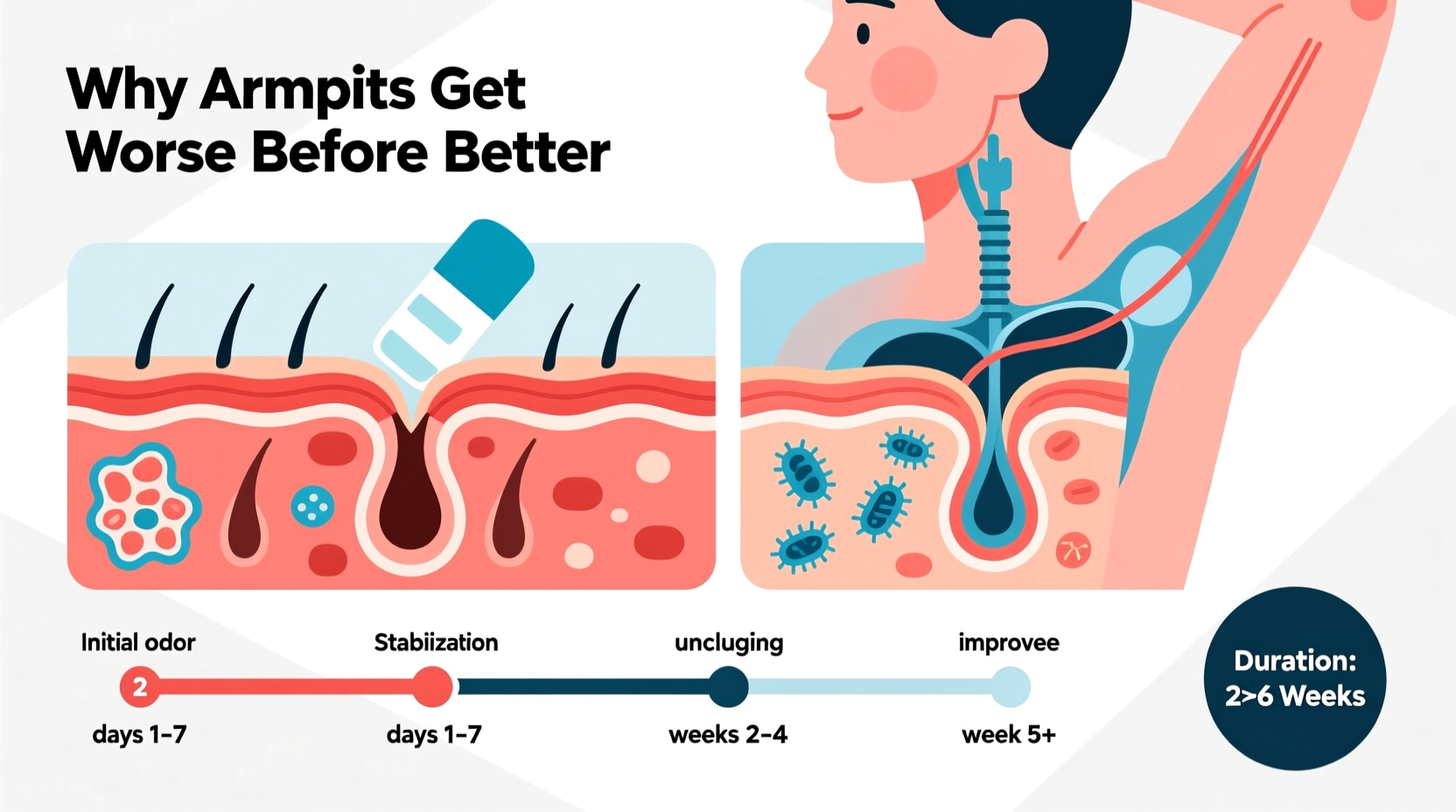
Your underarms host a complex microbiome—a community of bacteria that feeds on sweat. Conventional antiperspirants work by plugging sweat ducts with aluminum compounds, reducing wetness but also creating an environment where certain odor-causing bacteria thrive over time. These products often include antimicrobials that suppress bacterial growth, masking issues rather than resolving them.
When you discontinue antiperspirant use, several physiological changes occur:
- Sweat glands reopen: Aluminum-based compounds dissolve slowly, so residual buildup may take weeks to fully clear. As ducts open, more sweat reaches the surface.
- Bacterial rebalancing: The sudden absence of antimicrobial agents allows beneficial bacteria to repopulate while odor-producing strains decrease over time.
- Toxin and residue release: Some experts suggest that accumulated aluminum and other ingredients may be expelled through sweating, though scientific evidence remains limited.
- pH adjustment: Natural deodorants typically have a higher pH than skin, which can initially disrupt the acid mantle and increase sensitivity.
This shift isn’t uniform across individuals. Genetics, diet, hygiene habits, and prior product use all influence how intense and long the transition will be.
How Long Does the Transition Last?
Most users report noticeable improvement within 2 to 4 weeks. However, anecdotal data from dermatologists and holistic skincare practitioners suggests a broader range: some adapt in as little as 7–10 days; others experience prolonged adjustment lasting up to 6 weeks.
A 2023 survey conducted by the American Holistic Skincare Association found that among 1,200 respondents who switched to natural deodorant:
| Timeframe | Percentage of Users Reporting Improvement |
|---|---|
| 1 week | 18% |
| 2 weeks | 45% |
| 3–4 weeks | 72% |
| 5–6 weeks | 89% |
| Over 6 weeks | 11% |
The most challenging phase tends to occur between days 7 and 21. This is when old bacterial colonies are dying off, new ones establishing, and sweat output increases without obstruction. After this window, many report not only reduced odor but improved overall underarm health—less irritation, fewer ingrown hairs, and a more balanced scent profile.
“Think of this like gut healing. You wouldn’t expect probiotics to fix digestive issues overnight. The skin microbiome needs time to reset too.” — Dr. Lena Patel, Integrative Dermatologist
Step-by-Step Guide to Surviving the Transition (Week-by-Week)
Navigating the natural deodorant transition doesn’t have to be miserable. With strategic care, you can minimize discomfort and accelerate adaptation.
- Week 1: Prep and Purge
Begin by thoroughly cleansing your underarms. Use a gentle exfoliating scrub 2–3 times to remove dead skin and residual aluminum. Consider a charcoal or clay mask once mid-week to draw out impurities. Stop using antiperspirant cold turkey—no alternating, as this confuses the system. - Week 2: Manage Odor & Moisture
Apply natural deodorant after showering on completely dry skin. Reapply if needed during the day. Carry a mini bottle of witch hazel spray for quick refreshes. Wear breathable fabrics like cotton or bamboo to reduce trapping moisture. - Week 3: Assess and Adjust
If irritation occurs, check ingredient compatibility. Baking soda is a common irritant—switch to a baking-soda-free formula if redness persists. Try rotating between two different natural brands to prevent bacterial resistance. - Week 4+: Stabilize and Maintain
By now, most users notice significant improvement. Continue supporting skin health with light exfoliation weekly and moisturizing if dryness appears. Monitor lifestyle factors like stress and diet that can impact body odor.
Tips to Reduce Discomfort and Speed Up Adaptation
You’re not powerless during the transition. Small adjustments can ease the journey significantly.
- Exfoliate regularly: Removes buildup and prevents clogged follicles. Use a soft brush or konjac sponge every other day.
- Stay hydrated: Flushes toxins and regulates internal temperature, reducing excessive sweating.
- Dress strategically: Avoid tight synthetics. Opt for loose-fitting, moisture-wicking clothing.
- Support detox pathways: Eat cruciferous vegetables (broccoli, kale), drink lemon water, and prioritize sleep to aid systemic cleansing.
- Use complementary products: A swipe of magnesium oil at night may help regulate sweat production over time.
Real Experience: How Sarah Made It Through the Worst Week
Sarah, a 34-year-old teacher from Portland, decided to go natural after reading about aluminum’s potential endocrine effects. She’d used clinical-strength antiperspirant for over a decade. On day one, she felt confident. By day five, she noticed a faint sour smell by midday. Day nine was her breaking point.
“I was at a staff meeting and could *smell* myself,” she recalls. “Not strong, but enough to panic. I excused myself and wiped down with a cloth soaked in tea tree water. That night, I almost gave up.”
Instead, she followed a targeted routine: nightly baking soda paste (left on for 5 minutes, then rinsed), daily exfoliation, and switching to a baking-soda-free deodorant. By day 18, she stopped noticing any odor. Now, four months in, she says her underarms feel healthier than ever—and she hasn’t worn antiperspirant since.
Her advice? “Don’t test it on big days. Start on a Friday before a weekend at home. And keep a backup shirt handy—it helps mentally.”
Do’s and Don’ts During the Transition
| Do | Don't |
|---|---|
| Wash underarms twice daily with mild soap | Scrub aggressively or use harsh soaps |
| Apply deodorant to dry skin | Apply immediately after shaving or while damp |
| Rotate deodorant types weekly | Stick rigidly to one formula if it’s not working |
| Give it at least 3 full weeks | Quit after 3 days and assume it doesn’t work |
| Track progress in a journal | Compare yourself to others’ timelines |
Frequently Asked Questions
Can you speed up the natural deodorant transition?
While you can’t skip the biological reset, you can support it. Regular exfoliation, hydration, dietary tweaks (reducing processed foods and excess sugar), and using pH-balancing toners like diluted apple cider vinegar may shorten the adjustment period. However, rushing the process often leads to irritation or rebound odor.
Why do my armpits itch after switching?
Itching is commonly caused by baking soda (sodium bicarbonate), a frequent ingredient in natural deodorants due to its odor-neutralizing properties. Unfortunately, it can raise skin pH too much, leading to dryness and inflammation. Switch to a baking-soda-free version or apply a thin layer of coconut oil after deodorant to soothe irritation.
Is increased sweating permanent?
No. What feels like increased sweating is usually your body returning to its natural state. Antiperspirants artificially suppress sweat for years, so when they’re removed, normal function resumes. True hyperhidrosis (excessive sweating) is rare and would have been present regardless. Most people find their sweat levels stabilize after 4–6 weeks.
Checklist: Are You Ready to Transition Successfully?
- ☑ Choose a reputable natural deodorant (preferably baking soda-free if sensitive)
- ☑ Stock up on gentle cleansers and exfoliants
- ☑ Plan to start during a low-social week (e.g., before vacation or stay-at-home days)
- ☑ Prepare a mini kit: travel-sized deodorant, wipes, spare undershirt
- ☑ Commit to at least 21 days before reevaluating
- ☑ Monitor diet and stress—both affect body chemistry
- ☑ Keep a symptom log: note odor, sweat level, skin reaction daily
Conclusion: Embrace the Process, Not Perfection
The natural deodorant transition isn’t a flaw in the product—it’s a reflection of how deeply conventional formulas alter our biology. The temporary worsening of odor and sweat is not a setback, but a sign that your body is reclaiming its natural balance. With patience, informed care, and realistic expectations, most people emerge on the other side with healthier underarms and greater confidence in their personal care choices.
This shift isn’t just about avoiding chemicals. It’s about aligning your routine with your body’s innate wisdom. The discomfort is temporary. The benefits—reduced irritation, improved skin health, and peace of mind—are lasting.




 浙公网安备
33010002000092号
浙公网安备
33010002000092号 浙B2-20120091-4
Comments
No comments yet. Why don't you start the discussion?