
Nausea without vomiting is a surprisingly common experience that can range from mildly uncomfortable to deeply distressing. Unlike vomiting, which provides a physical release, persistent nausea can linger for hours or even days, disrupting daily routines, work performance, and overall well-being. While often temporary and benign, it can also signal underlying health issues that require attention. Understanding the root causes and knowing how to respond effectively can make a significant difference in managing symptoms and preventing escalation.
Common Causes of Nausea Without Vomiting
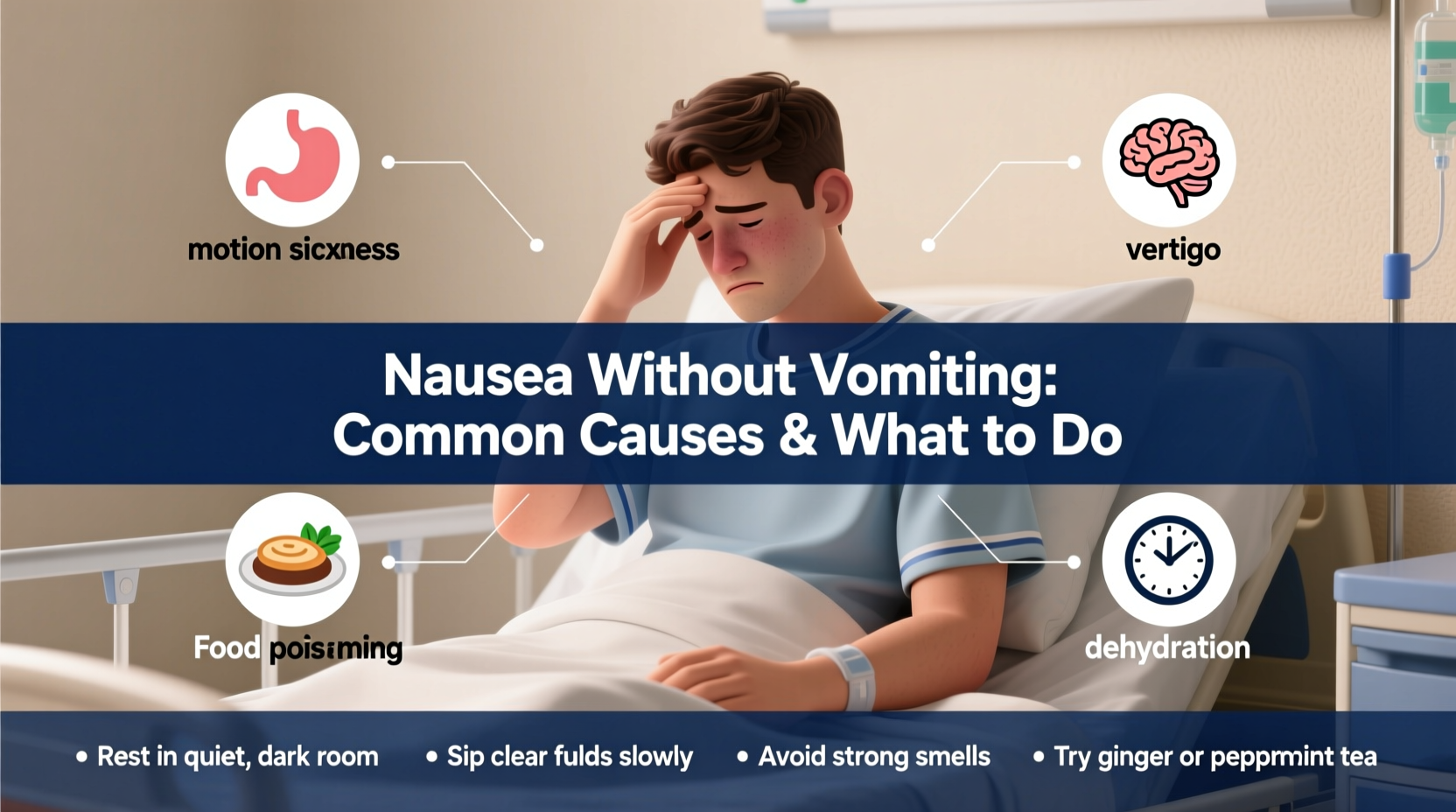
Nausea arises from complex interactions between the digestive system, brain, inner ear, and nervous system. When signals misfire or become overstimulated, the sensation of queasiness occurs—even if the body doesn’t progress to vomiting. Several factors commonly contribute to this condition:
- Gastrointestinal issues: Conditions like gastritis, acid reflux (GERD), irritable bowel syndrome (IBS), or delayed stomach emptying (gastroparesis) can cause prolonged nausea without vomiting.
- Motion sickness: Travel by car, boat, or plane can trigger nausea due to sensory mismatch in the inner ear and visual input.
- Pregnancy: Morning sickness affects up to 80% of pregnant individuals, often manifesting as persistent nausea, especially in the first trimester.
- Anxiety and stress: The gut-brain connection means emotional distress can directly stimulate nausea through the vagus nerve.
- Medication side effects: Antibiotics, painkillers (especially opioids), chemotherapy drugs, and some antidepressants list nausea as a frequent side effect.
- Dietary triggers: Overeating, greasy foods, strong odors, or food intolerances (like lactose or gluten) may provoke nausea without leading to vomiting.
- Infections: Viral illnesses such as norovirus or stomach flu may begin with nausea before other symptoms appear.
- Migraines: Vestibular migraines often include nausea as a primary symptom, sometimes without head pain.
When to Seek Medical Attention
While most cases of isolated nausea resolve within hours or a day, certain red flags indicate the need for prompt evaluation. Ignoring these signs could delay diagnosis of serious conditions such as appendicitis, pancreatitis, or neurological disorders.
“Persistent nausea lasting more than 48 hours, especially when accompanied by pain or fever, should never be dismissed,” says Dr. Lena Torres, gastroenterologist at Pacific Health Institute. “It’s often the body’s earliest warning signal.”
Seek immediate medical care if you experience any of the following:
- Severe abdominal pain or bloating
- Fever above 101°F (38.3°C)
- Signs of dehydration (dry mouth, dizziness, reduced urination)
- Chest pain or pressure
- Head injury preceding the nausea
- Confusion, vision changes, or difficulty speaking
- Jaundice (yellowing of skin or eyes)
Effective Home Remedies and Immediate Relief Strategies
For mild to moderate nausea not linked to serious illness, several evidence-based approaches can bring relief. The key is early intervention—acting at the first sign of queasiness increases the likelihood of stopping progression.
Step-by-Step Guide to Managing Acute Nausea
- Stop eating temporarily: Give your stomach a break. Avoid solid foods for 1–2 hours after nausea begins.
- Sip clear fluids: Take small sips of water, ginger tea, or oral rehydration solutions every 5–10 minutes.
- Try ginger: Suck on crystallized ginger, drink ginger ale made with real ginger, or take a 250 mg ginger supplement.
- Practice slow breathing: Inhale deeply through the nose for 4 seconds, hold for 4, exhale slowly through the mouth for 6. Repeat for 5 minutes.
- Apply cold or pressure: Place a cool cloth on your forehead or apply firm pressure to the P6 acupressure point (on the inner forearm, three finger-widths below the wrist).
- Lie still: Rest in a semi-upright position; avoid lying flat, which can worsen reflux-related nausea.
| Remedy | Effectiveness | Time to Relief |
|---|---|---|
| Ginger tea | High (especially for pregnancy & motion sickness) | 15–30 minutes |
| Peppermint aromatherapy | Moderate | 10–20 minutes |
| Acupressure (P6 point) | Moderate to high | 10–25 minutes |
| Over-the-counter antacids | Variable (best for acid-related nausea) | 20–45 minutes |
Real-Life Example: Managing Workday Nausea
Sarah, a 34-year-old project manager, began experiencing mid-morning nausea during a high-pressure quarter. She wasn’t vomiting, but the constant queasiness affected her concentration. After ruling out illness with her doctor, she identified two contributing factors: skipping breakfast and chronic work stress. By implementing simple changes—eating a small banana with almond butter each morning and taking five-minute breathing breaks every two hours—her symptoms resolved within a week. Her case illustrates how lifestyle adjustments can address nausea rooted in routine and psychological strain.
Do’s and Don’ts: Quick Reference Checklist
- ✅ Do sip small amounts of fluid frequently
- ✅ Do rest in a quiet, well-ventilated space
- ✅ Do try ginger or peppermint
- ✅ Do eat bland foods (e.g., toast, rice, crackers) once nausea subsides
- ✅ Do track symptoms for patterns
- ❌ Don’t consume large meals
- ❌ Don’t lie flat immediately after eating
- ❌ Don’t ignore worsening symptoms
- ❌ Don’t use alcohol or caffeine to cope
- ❌ Don’t drive or operate machinery if dizzy
Frequently Asked Questions
Can anxiety really cause nausea without vomiting?
Yes. Anxiety activates the autonomic nervous system, which directly influences gut motility and gastric secretions. This can lead to nausea, stomach cramps, or a “knot” in the stomach without progressing to vomiting. Cognitive behavioral therapy (CBT) and mindfulness practices have been shown to reduce anxiety-induced nausea over time.
Is it safe to take anti-nausea medication without a prescription?
Over-the-counter options like dimenhydrinate (Dramamine) or meclizine (Bonine) are generally safe for short-term use, particularly for motion sickness or mild gastrointestinal upset. However, they can cause drowsiness and should not be used regularly without consulting a healthcare provider. For recurrent nausea, self-medicating may mask underlying conditions.
Why do I feel nauseous every morning but not vomit?
Morning nausea has several potential causes. In non-pregnant individuals, it may stem from overnight acid buildup (nocturnal reflux), low blood sugar after fasting, or circadian fluctuations in cortisol and digestive hormones. Chronic morning nausea warrants evaluation to rule out GERD, H. pylori infection, or sleep apnea.
Conclusion: Taking Control of Your Comfort
Nausea without vomiting is more than just an inconvenience—it can significantly impact quality of life. The good news is that most causes are manageable with timely, informed actions. By recognizing triggers, applying proven remedies, and knowing when to consult a professional, you can regain control and prevent minor discomfort from becoming a persistent issue. Listen to your body, respond early, and don’t hesitate to seek support when symptoms persist.




 浙公网安备
33010002000092号
浙公网安备
33010002000092号 浙B2-20120091-4
Comments
No comments yet. Why don't you start the discussion?