
Nausea that worsens when lying down is a surprisingly common complaint, affecting people across all age groups. Unlike general queasiness, this type of nausea often intensifies in a reclined position, disrupting sleep, daily routines, and overall well-being. While occasional discomfort may not be alarming, persistent symptoms can signal underlying health issues that require attention. Understanding the root causes—ranging from digestive disorders to inner ear imbalances—empowers individuals to take proactive steps toward relief.
This article explores the physiological mechanisms behind nausea when lying flat, outlines evidence-based remedies, and provides practical prevention strategies. Whether you're experiencing nighttime reflux, vertigo-related dizziness, or unexplained stomach upset upon lying down, the insights here aim to guide meaningful improvements in comfort and long-term health.
Common Causes of Nausea When Lying Down
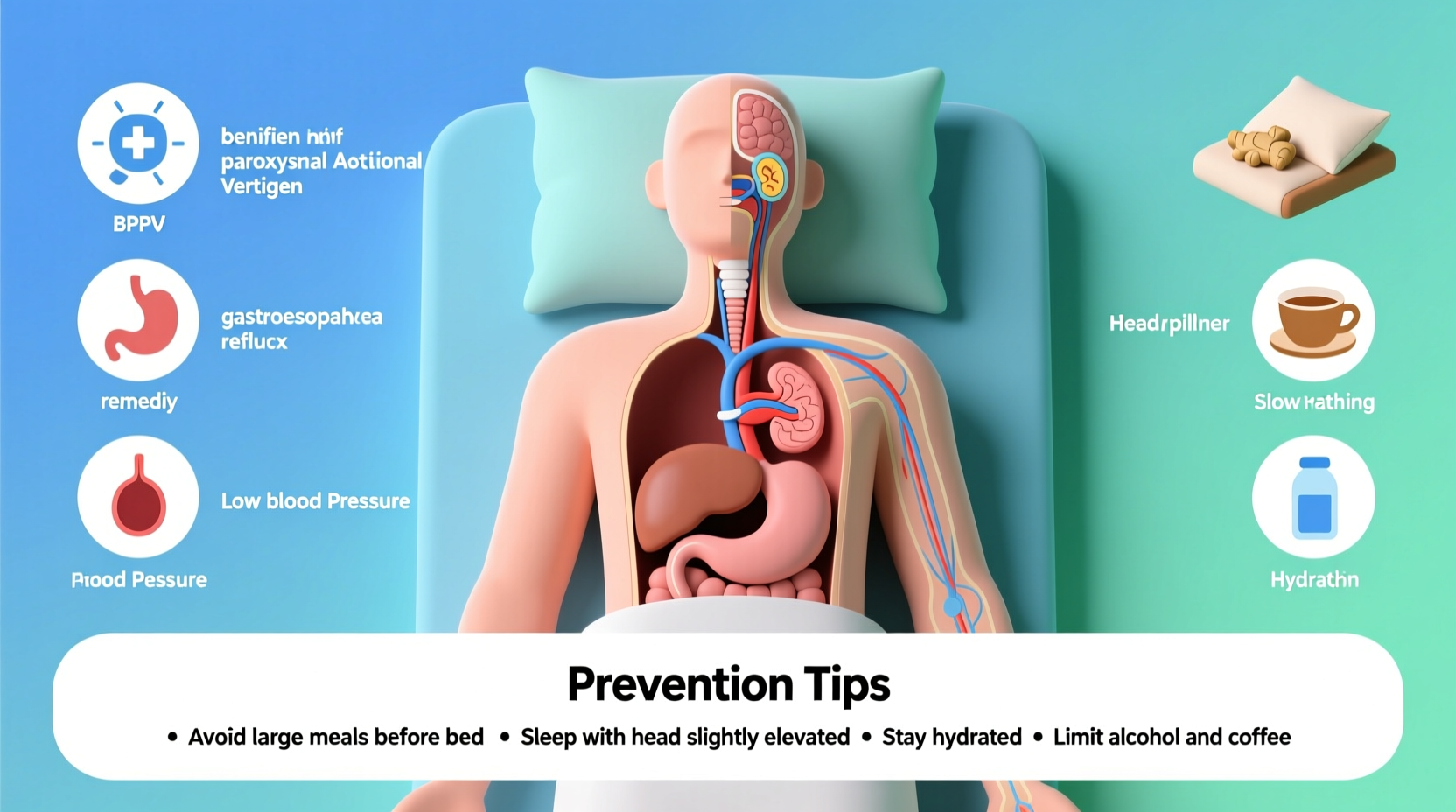
The sensation of nausea when lying down typically stems from changes in body positioning that affect internal systems. Gravity plays a key role: when upright, it helps keep stomach contents and acids where they belong. But when horizontal, this natural barrier weakens, allowing fluids and gases to move more freely—sometimes in undesirable directions.
- Gastroesophageal Reflux Disease (GERD): One of the most frequent culprits. Stomach acid flows back into the esophagus when lying flat, triggering nausea, burning sensations, and regurgitation.
- Pregnancy: Hormonal shifts, especially increased progesterone, relax digestive tract muscles, slowing digestion and increasing reflux risk. As the uterus expands, pressure on the stomach can also push contents upward when lying down.
- Vertigo and Inner Ear Disorders: Conditions like benign paroxysmal positional vertigo (BPPV) cause dizziness and nausea triggered by head movements, including lying down or rolling over in bed.
- Peptic Ulcers: Open sores in the stomach lining can become more irritating when lying flat due to increased contact between ulcer sites and gastric juices.
- Post-Surgical or Post-Meal Positioning: After eating or surgery, lying down too soon can delay gastric emptying and increase abdominal pressure, leading to nausea.
- Migraines: Some migraine variants are associated with gastrointestinal symptoms, including nausea that worsens with movement or recumbency.
Effective Remedies for Immediate Relief
When nausea strikes while lying down, quick interventions can provide significant relief. The best approach depends on the suspected cause but often includes positional adjustments, dietary modifications, and over-the-counter solutions.
- Elevate the Head of Your Bed: Raising the head of your mattress by 6–8 inches using bed risers (not just extra pillows) reduces acid reflux by leveraging gravity to keep stomach contents down.
- Use Over-the-Counter Antacids: Medications like calcium carbonate (Tums) or H2 blockers (famotidine) can neutralize or reduce stomach acid production, offering fast relief for reflux-induced nausea.
- Sip Ginger Tea: Ginger has long been used for its anti-nausea properties. Studies suggest it helps regulate gastric motility and soothe the digestive tract.
- Practice Slow Breathing: Deep, controlled breaths can calm the vagus nerve, which influences both digestion and nausea perception. Try inhaling for four counts, holding for four, exhaling for six.
- Avoid Eating Before Bed: Finish meals at least 2–3 hours before lying down to allow partial digestion and reduce reflux risk.
“Elevating the upper body during sleep is one of the most underutilized yet effective non-pharmacological strategies for nocturnal reflux.” — Dr. Alan Kim, Gastroenterologist, Johns Hopkins Medicine
Prevention Strategies for Long-Term Comfort
While immediate remedies offer temporary relief, sustainable prevention requires consistent lifestyle adjustments. These strategies target the root causes and reduce recurrence over time.
| Strategy | How It Helps | Implementation Tips |
|---|---|---|
| Dietary Modification | Reduces acid production and irritation | Avoid spicy, fatty, acidic foods; limit caffeine and alcohol |
| Weight Management | Lowers abdominal pressure that contributes to reflux | Maintain BMI within healthy range through balanced diet and exercise |
| Smaller, Frequent Meals | Prevents stomach overfilling and delayed emptying | Opt for 4–5 small meals instead of 2–3 large ones |
| Left-Side Sleeping | Keeps stomach below esophagus, reducing reflux | Use a body pillow to maintain position through the night |
| Treat Underlying Conditions | Addresses root medical causes | Seek evaluation for GERD, ulcers, or vestibular disorders |
Mini Case Study: Sarah’s Experience with Nighttime Nausea
Sarah, a 34-year-old teacher, began experiencing nausea every night after lying down to sleep. She initially assumed it was stress-related, but symptoms persisted for weeks. After tracking her habits, she noticed the nausea followed late dinners and worsened when sleeping flat. A visit to her primary care provider led to a diagnosis of mild GERD. By elevating her bed, switching to smaller evening meals, and avoiding coffee after noon, her symptoms improved within two weeks. A follow-up with a dietitian helped her refine her food choices, and she now rarely experiences discomfort.
Step-by-Step Guide to Managing Recurrent Symptoms
If you frequently feel nauseous when lying down, follow this structured approach to regain control:
- Track Symptoms (Days 1–7): Record timing, severity, food intake, and activities before onset.
- Adjust Sleep Position (Day 8): Elevate the head of your bed and try sleeping on your left side.
- Modify Evening Routine (Ongoing): Avoid large meals, alcohol, and intense exercise within three hours of bedtime.
- Try Natural Remedies (Days 9–14): Sip ginger tea or chew sugar-free gum after dinner to stimulate saliva and neutralize acid.
- Consult a Healthcare Provider (By Day 21): If symptoms persist, seek evaluation for GERD, gastritis, or vestibular issues.
- Follow Medical Advice (Weeks 4+): Adhere to prescribed treatments such as proton pump inhibitors or vestibular rehabilitation.
Frequently Asked Questions
Why do I feel nauseous only when I lie down?
This is often due to gastroesophageal reflux, where gravity no longer prevents stomach acid from rising into the esophagus. Other causes include positional vertigo or delayed gastric emptying. Identifying accompanying symptoms (like heartburn or dizziness) helps pinpoint the cause.
Can anxiety cause nausea when lying down?
Yes. Anxiety can heighten gastrointestinal sensitivity and trigger the “fight-or-flight” response, which slows digestion and increases nausea. Lying down may amplify awareness of bodily sensations, making nausea more noticeable at night.
Is it safe to take anti-nausea medication regularly?
Occasional use of OTC options like dimenhydrinate or meclizine is generally safe, but long-term reliance should be discussed with a doctor. Chronic nausea may indicate an underlying condition needing specific treatment rather than symptom masking.
Conclusion: Take Control of Your Comfort
Nausea when lying down is more than just an inconvenience—it can disrupt sleep, affect nutrition, and diminish quality of life. However, with targeted strategies and timely medical input, most cases are manageable. Simple changes like adjusting your sleep position, refining meal timing, and addressing contributing conditions can yield dramatic improvements.




 浙公网安备
33010002000092号
浙公网安备
33010002000092号 浙B2-20120091-4
Comments
No comments yet. Why don't you start the discussion?