
In an era where self-expression through accessories is more popular than ever, the debate between niche bracelets and mainstream jewelry has gained momentum. Walk into any mall or scroll through social media, and you’ll see a flood of identical pieces—stackable bangles, charm bracelets, minimalist chains—all bearing the stamp of mass production. Yet, tucked away on artisan marketplaces and independent designer sites are niche bracelets that stand out with bold textures, unconventional materials, and deeply personal storytelling. But are these unique designs inherently better, or are they simply riding the wave of a fleeting trend?
The answer isn’t binary. It depends on what you value: consistency and accessibility, or individuality and craftsmanship. To understand the real differences—and whether niche designs offer lasting value—we need to examine design philosophy, quality, pricing, emotional resonance, and long-term wearability.
The Philosophy Behind the Design
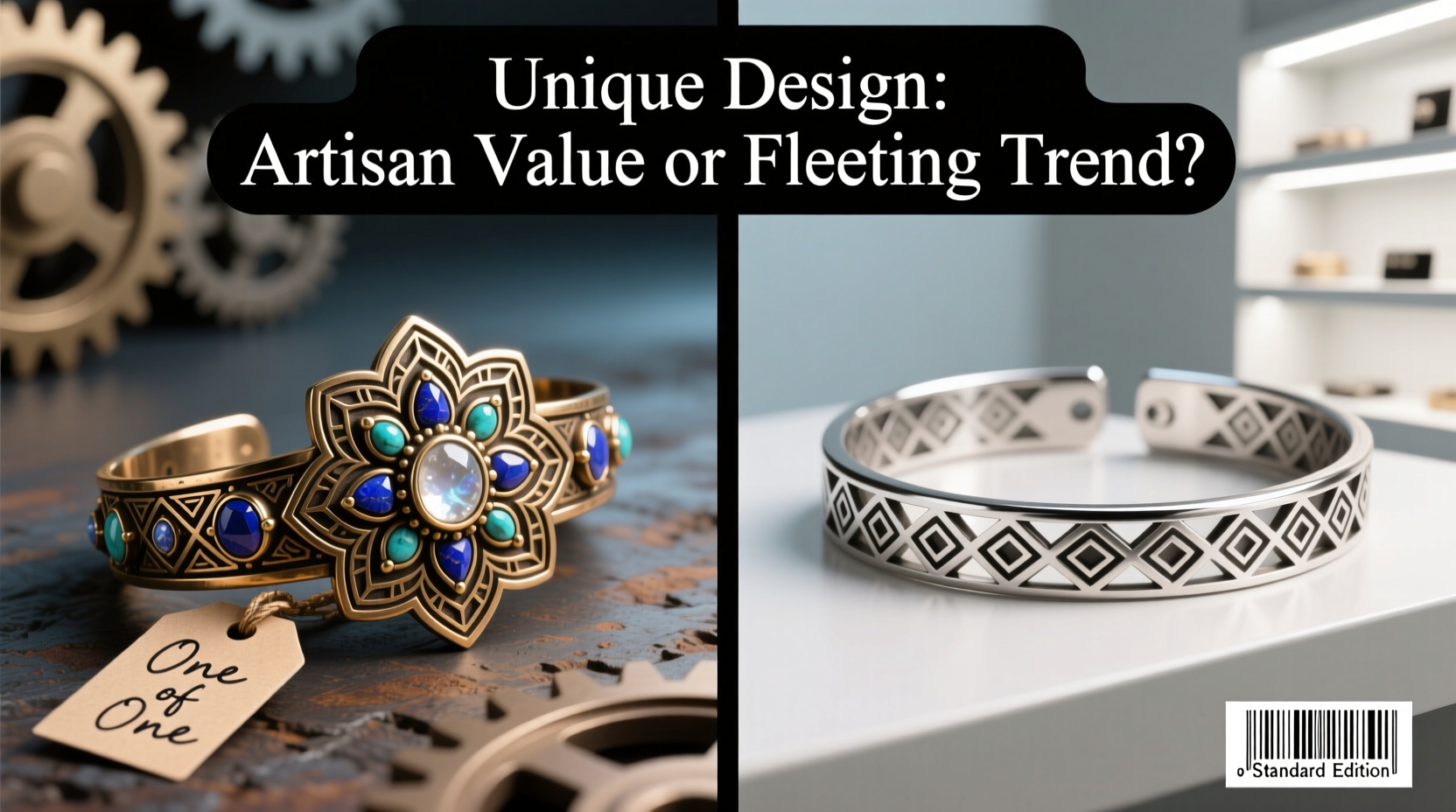
Mainstream jewelry brands operate under a model of scalability. Their goal is to produce high volumes at lower costs while appealing to the broadest possible audience. This often means designing around current trends—minimalist gold hoops one season, beaded friendship bracelets the next—ensuring fast turnover and repeat purchases.
Niche bracelet designers, by contrast, typically prioritize concept over commerce. Many are artists first, using metalwork, natural stones, textiles, or even recycled materials to create wearable art. Their designs often reflect cultural heritage, environmental ethics, or personal narratives. A bracelet might be inspired by ocean tides, hand-carved from ethically sourced wood, or embedded with symbols from ancestral traditions.
“Design shouldn’t follow the crowd—it should challenge it. That’s where true originality lives.” — Lena Ruiz, Independent Jewelry Designer and Craft Advocate
This fundamental difference in intent shapes everything from materials to messaging. While mainstream pieces say, “You belong,” niche designs often whisper, “You are different—and that’s powerful.”
Quality and Craftsmanship: A Closer Look
One of the most tangible advantages of niche bracelets lies in construction. Because they’re made in smaller batches—or sometimes one at a time—artisans can focus on precision, material integrity, and durability. Hand-soldered joints, hand-finished edges, and attention to weight distribution aren’t luxuries; they’re standard practice.
Compare this to many mainstream options, where cost-cutting measures may include thin plating, weak clasps, or synthetic substitutes marketed as “premium.” A 2023 consumer report found that nearly 40% of mass-market fashion bracelets showed visible wear within three months of regular use.
Material Comparison: Niche vs Mainstream
| Factor | Niche Bracelets | Mainstream Bracelets |
|---|---|---|
| Materials | Sterling silver, reclaimed metals, natural gemstones, sustainable woods | Base metals, alloy cores with plating, lab-created stones |
| Production Scale | Small-batch or handmade | Mass-produced in factories |
| Lifespan (avg.) | 5+ years with care | 6–18 months before tarnishing or breakage |
| Repairability | Often repairable by the artist or local jeweler | Rarely designed for repair; replace instead |
Are Unique Designs Just a Trend?
Trends come and go—remember the meteoric rise and fall of charm stacks or enamel cuffs? What separates a trend from enduring design is longevity and emotional attachment. Many niche bracelets transcend seasonal appeal because they’re not chasing popularity; they’re built to resonate on a deeper level.
Consider the case of Maya Tran, a graphic designer from Portland who commissioned a custom bracelet from a Vietnamese-American artisan. The piece incorporated jade beads symbolizing family protection and was wrapped in red silk thread—a nod to her heritage. Three years later, she still wears it daily. “It’s not just jewelry,” she says. “It’s a part of my story.”
This kind of emotional investment is rare with mainstream items. You might love a trendy chain for a season, but will you still feel connected to it years later? Often, the answer is no. Niche designs foster attachment not through marketing, but meaning.
Mini Case Study: The Hand-Forged Copper Cuff
A small studio in New Mexico began selling hand-forged copper cuffs embedded with turquoise fragments from local mines. Priced at $120, they were double the cost of similar-looking pieces at big-box retailers. Initially slow to sell, interest grew through word-of-mouth and Instagram features highlighting their origin story.
Within two years, the studio had a waitlist. Customers reported wearing the cuffs daily for over three years with minimal maintenance. Unlike plated alternatives, the copper developed a natural patina that many described as “growing more beautiful with time.”
This example illustrates how authenticity and craftsmanship can create lasting demand—even without celebrity endorsements or influencer campaigns.
Finding Your Fit: Practical Considerations
Choosing between niche and mainstream isn’t about which is universally better—it’s about alignment with your lifestyle, budget, and values. Ask yourself:
- Do I want jewelry that tells a story or blends in?
- Am I willing to invest more upfront for longer-lasting quality?
- How important is ethical sourcing to me?
- Do I prefer limited availability or easy replacements?
Checklist: Evaluating a Bracelet Before Purchase
- Research the maker—do they share their process and sourcing?
- Examine return policies and warranty options.
- Feel the weight—lightweight often means hollow or thin materials.
- Check for secure closures (magnetic, lobster, or toggle clasps).
- Ask if repairs or resizing are offered post-purchase.
- Determine if the design complements your existing wardrobe.
FAQ: Common Questions About Niche vs Mainstream Bracelets
Are niche bracelets worth the higher price?
Often, yes. Higher prices usually reflect superior materials, labor-intensive techniques, and ethical practices. While not every niche piece is flawless, the best ones offer long-term value through durability and emotional significance.
Can mainstream brands make meaningful jewelry?
Some do. A growing number of larger brands are launching sustainable lines or collaborating with artisans. However, transparency is key—look for certifications like Fair Trade or recycled metal sourcing to verify claims.
How do I know if a niche brand is authentic?
Authentic niche designers are usually open about their process. They’ll share photos of their workspace, list materials clearly, and respond personally to inquiries. Be cautious of “artisan” labels used purely for marketing without substance behind them.
Making a Choice That Lasts
The rise of niche bracelets isn’t just a trend—it’s a response to a growing desire for authenticity in a world saturated with sameness. These designs offer more than aesthetics; they invite connection, intention, and individuality. That said, mainstream options still have their place, especially for those seeking affordability, variety, or low-commitment style experimentation.
The smart approach isn’t to choose one over the other permanently, but to curate a collection that reflects both practicality and personality. Invest in a few timeless niche pieces that speak to your identity, and supplement them with accessible mainstream styles that keep your look fresh.
“Jewelry should be a reflection of who you are—not just who you’re trying to impress.” — Amir Shah, Curator at the Modern Adornment Institute
Take the Next Step
If you’ve been hesitating to explore beyond the mall jewelry counter, start small. Visit a local craft fair, browse Etsy shops with verified reviews, or follow independent designers on social media. Notice how their work makes you feel. Does it spark curiosity? Pride? Connection?
True style isn’t about following trends—it’s about choosing what resonates. Whether you fall for a hand-hammered silver cuff or a sleek everyday chain, let your decision be intentional. After all, the best accessory you can wear is confidence in your own taste.




 浙公网安备
33010002000092号
浙公网安备
33010002000092号 浙B2-20120091-4
Comments
No comments yet. Why don't you start the discussion?