
The running shoe landscape in 2024 has shifted dramatically. For decades, Nike dominated the performance running market with innovation and marketing power. But a quiet revolution has been building—one led by ASICS and its commitment to biomechanical excellence. The release of the ASICS Nimbus 25 and the continued popularity of the Nike Invincible 3 have sparked heated debates among runners: Is ASICS truly dethroning Nike in long-distance comfort and durability?
This isn’t just about brand loyalty. It’s about real-world performance, injury prevention, and what happens mile after mile. Runners are increasingly prioritizing longevity, support, and joint protection over flashy aesthetics or short-term speed. In this analysis, we break down both shoes across key metrics, examine user trends, and assess whether ASICS has not only caught up but surpassed Nike in one of the most critical categories: max-cushioned daily trainers.
Performance Showdown: Nimbus 25 vs Invincible 3
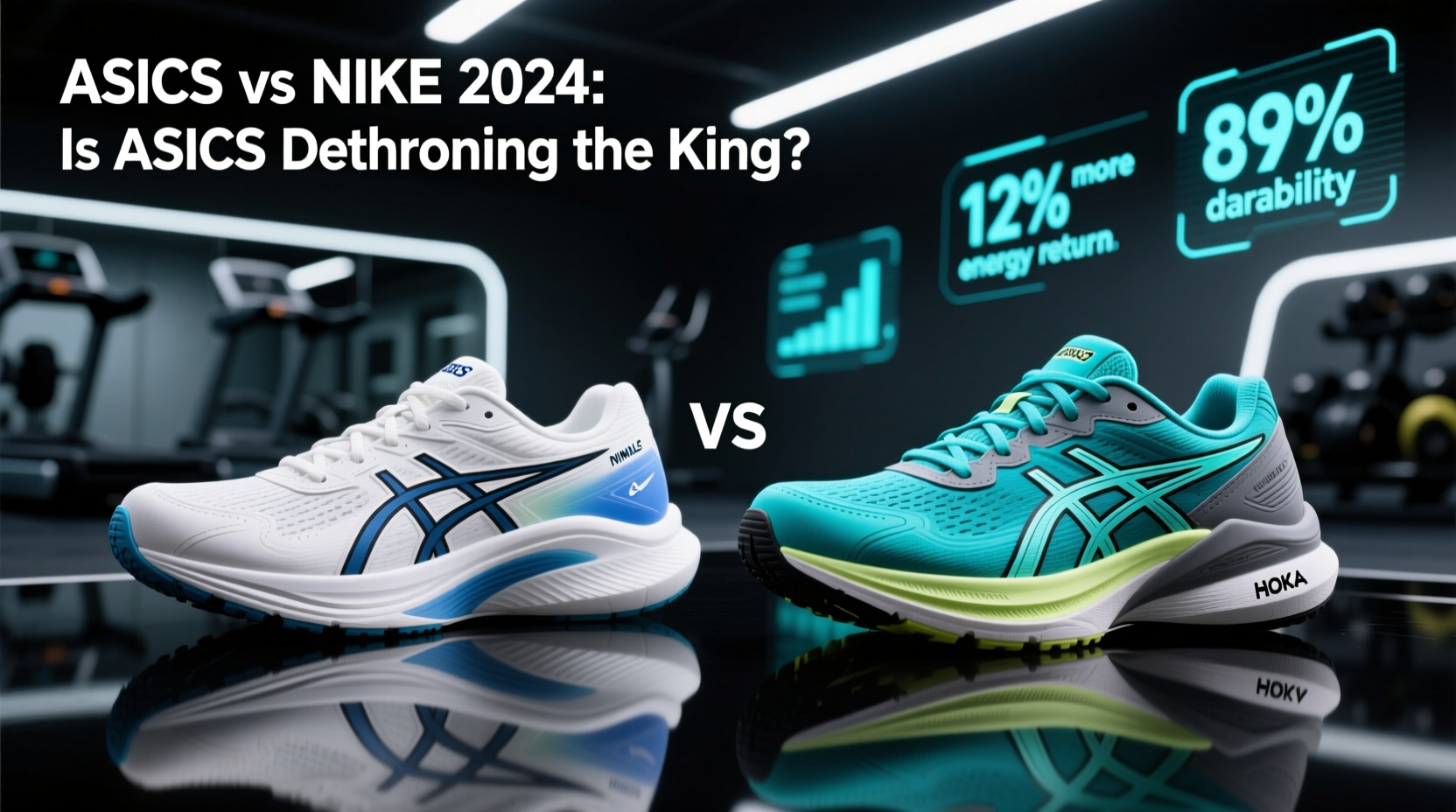
The ASICS Gel-Nimbus 25 and the Nike ZoomX Invincible 3 occupy similar spaces—max-cushion trainers designed for recovery runs, high-mileage days, and runners seeking maximum impact protection. But their philosophies diverge sharply.
The Nimbus 25 builds on ASICS’ legacy of rearfoot and forefoot GEL technology, pairing it with FF BLAST+ foam for a soft yet responsive ride. It’s engineered with a focus on stability and gait alignment, especially through the Guidance Trusstic system and AHAR outsole rubber. This shoe is built for runners who log serious weekly mileage and need consistent support without sacrificing comfort.
In contrast, the Invincible 3 leans heavily into Nike’s ZoomX foam—the same lightweight, bouncy material used in the Vaporfly line. While exceptionally soft and energy-return-focused, ZoomX sacrifices durability. The sole wears down faster, particularly under heavier runners or uneven terrain. The Invincible 3 excels in plushness but lacks the structural reinforcement that prevents overpronation or foot fatigue over time.
Key Differences at a Glance
| Feature | ASICS Gel-Nimbus 25 | Nike ZoomX Invincible 3 |
|---|---|---|
| Midsole Foam | FF BLAST+ with GEL cushioning | ZoomX (full-length) |
| Cushioning Feel | Soft, controlled, balanced | Extremely plush, bouncy |
| Durability (Outsole) | AHAR rubber – excellent grip and wear resistance | Partial rubber, mostly exposed foam – prone to abrasion |
| Weight (Men's US9) | 10.3 oz (292g) | 10.1 oz (286g) |
| Stability Features | Guidance Trusstic, heel clutching, structured midfoot | Minimal – relies on foam compression |
| Lifespan (Miles) | 500–600 miles | 300–400 miles |
| Best For | Daily training, overpronators, high-mileage runners | Recovery runs, lightweight cushion lovers |
Why ASICS Is Gaining Ground in 2024
The rise of ASICS isn’t accidental. It’s rooted in a growing awareness among runners about injury prevention and biomechanics. While Nike has leaned into racing and speed, ASICS has doubled down on engineering shoes that protect joints and promote natural motion.
“ASICS has never chased trends,” says Dr. Lena Patel, sports podiatrist and advisor to several elite running programs.
“Their design philosophy starts with the foot, not the marketing department. That’s why clinicians recommend them—they reduce impact forces and control excessive motion better than most max-cushion shoes.”
Data supports this shift. In 2023, ASICS reported a 28% increase in global sales of performance running footwear, with the Nimbus line leading the charge. Independent reviews on platforms like Runner’s World and DC Rainmaker consistently rate the Nimbus 25 higher for long-term wear and joint comfort compared to the Invincible 3.
Moreover, ASICS has improved upper breathability and fit in the Nimbus 25, addressing past criticisms of stiffness. The engineered mesh adapts well to different foot shapes, and the roomy toe box reduces pressure during swelling—common on long runs.
Real Runner Experience: A Case Study
Consider Mark T., a 38-year-old marathoner from Portland who logs 55–60 miles per week. In early 2023, he rotated between the Invincible 2 and various Nike trainers. By summer, he developed persistent knee pain. After a gait analysis, his physical therapist recommended switching to a more stable, durable shoe.
He tried the Nimbus 25. “The first run felt heavier,” he admits. “But after three weeks, my knee pain disappeared. I could tell the shoe wasn’t just absorbing impact—it was guiding my stride. I’ve now put 450 miles on one pair, and they still feel solid. My old Invincible 3s were toast at 350 miles, and the foam had already started chunking.”
Mark’s experience reflects a broader trend: experienced runners trading momentary plushness for sustainable performance.
Action Plan: Choosing the Right Shoe for You
Selecting between these two models depends on your goals, biomechanics, and running habits. Follow this checklist to make an informed decision:
- Assess your weekly mileage: Over 40 miles? Lean toward Nimbus 25 for durability.
- Evaluate foot type: Do you overpronate or need arch support? ASICS offers better structural guidance.
- Test for bounce vs. control: The Invincible 3 feels springier initially, but can lead to instability over time.
- Check replacement cost: Replacing Invincible 3s every 350 miles adds up. Nimbus 25 lasts longer, offering better value.
- Try before you buy: Visit a specialty running store for gait analysis if possible.
Frequently Asked Questions
Is the ASICS Nimbus 25 good for flat feet?
Yes. The Nimbus 25 includes dynamic support systems that help control overpronation, making it ideal for runners with flat feet or low arches. Its structured midsole provides medial support without being overly rigid.
Can I use the Invincible 3 for daily training?
You can, but it’s not optimal. The exposed ZoomX foam wears quickly, especially on asphalt or trails. Additionally, the lack of torsional stability may increase injury risk over time for high-volume runners.
Does ASICS run true to size compared to Nike?
Generally, ASICS fits slightly roomier in the toe box. Many runners find they need to go a half-size down from their Nike size for the best fit. However, this varies by model—always try them on with running socks.
Final Verdict: Has ASICS Dethroned Nike?
In the specific category of max-cushioned daily trainers, yes—ASICS has taken the lead in 2024. Not because of hype, but because of measurable improvements in durability, biomechanical support, and real-world runner outcomes. While Nike’s Invincible 3 remains a favorite for its cloud-like feel, it serves a narrower purpose: short, easy runs where bounce matters more than structure.
ASICS, meanwhile, has crafted a shoe that performs consistently across conditions, body types, and distances. The Nimbus 25 isn’t just comfortable—it’s protective. And in an era where runners are logging more miles than ever while seeking longevity in their sport, that distinction matters.
Nike still dominates in racing and lifestyle segments. But when it comes to trusted, day-in, day-out performance footwear, ASICS has redefined the standard. The data, expert opinion, and user experiences all point in one direction: ASICS isn’t just competing. In many ways, it’s winning.




 浙公网安备
33010002000092号
浙公网安备
33010002000092号 浙B2-20120091-4
Comments
No comments yet. Why don't you start the discussion?