
In an era where smartphones are more powerful than ever—capable of running high-end games with stunning visuals—it’s fair to ask whether a dedicated handheld console like the Nintendo Switch still holds its ground. With mobile gaming revenue surpassing that of consoles and PCs combined, and titles like Genshin Impact or Minecraft available on both platforms, the line between portable devices has blurred. But when you look beyond specs and app stores, the real differences emerge in experience, ecosystem, and long-term value.
The Nintendo Switch isn’t just a device; it’s a gateway to a curated world of exclusive franchises, local multiplayer, and seamless transitions between handheld and docked play. Meanwhile, smartphones offer unmatched convenience, instant access, and lower entry costs. So which one delivers better gaming value in 2024? Let’s dissect the key factors shaping this decision today.
Performance and Game Quality: Power vs Optimization
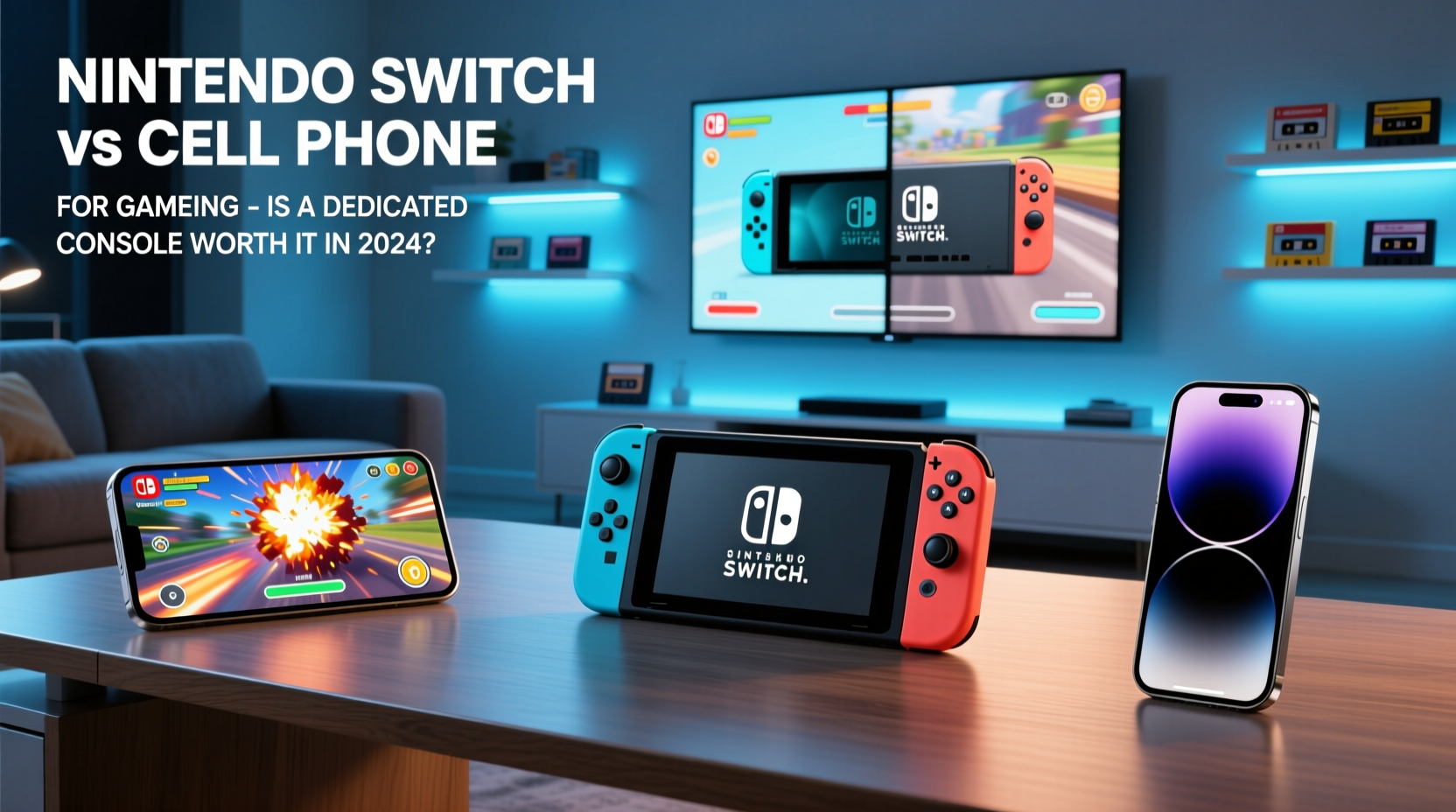
On paper, modern flagship smartphones outclass the Nintendo Switch in raw hardware. Many Android and iOS devices now feature processors comparable to mid-tier gaming laptops, with advanced GPUs, high refresh rate displays, and ample RAM. This allows them to run graphically intense games smoothly—even at 60fps with HDR support.
Yet, the Switch compensates through superior optimization and developer support. First-party Nintendo titles like The Legend of Zelda: Tears of the Kingdom, Super Mario Odyssey, and Metroid Dread are built from the ground up for the system. They deliver consistent performance, rich animations, and immersive gameplay without compromise. Mobile ports of similar games often suffer from frame drops, touch control limitations, or forced monetization models.
Additionally, while phones can technically run emulators or cloud gaming apps (like Xbox Cloud Gaming or GeForce Now), these rely heavily on internet stability and battery consumption. The Switch, by contrast, runs native software efficiently, offering stable framerates even during extended sessions.
Game Library and Exclusives: Where the Real Value Lies
This is where the Nintendo Switch pulls decisively ahead. Its library includes some of the most acclaimed games of the past decade—titles unavailable anywhere else. From narrative-driven adventures like Bayonetta 3 to family-friendly hits like Animal Crossing: New Horizons, the Switch offers depth and variety that mobile gaming simply can't match.
Mobile gaming excels in accessibility and breadth. You’ll find thousands of free-to-play puzzle games, endless runners, and casual titles optimized for short bursts of play. However, many top-tier mobile games lean into aggressive monetization: loot boxes, energy timers, and pay-to-win mechanics. While there are premium mobile games (Baldur’s Gate 3, Diablo Immortal), they remain the exception rather than the rule.
Nintendo maintains a strict curation model. Most first- and second-party titles are full-price releases with no microtransactions. Once purchased, they’re yours to play indefinitely. This creates a more predictable and trustworthy ecosystem—especially valuable for parents or players seeking long-term engagement.
“Exclusive IPs and polished gameplay define Nintendo’s strategy. It's not about competing on specs—it's about delivering complete, memorable experiences.” — David Reeves, Industry Analyst at GameEconomy Insights
Portability and Flexibility: How You Play Matters
Both devices are portable, but they serve different lifestyles. A smartphone fits in your pocket, boots instantly, and lets you play during commutes, waiting times, or quick breaks. It’s ideal for bite-sized entertainment.
The Switch, while slightly bulkier, transforms how you engage with games. In handheld mode, it functions like a dedicated gaming tablet. Flip the kickstand, attach the Joy-Cons, and it becomes a tabletop console for two-player co-op. Dock it, and you’re playing in HD on your TV—no streaming required.
This hybrid design enables unique social experiences. Playing Overcooked! All You Can Eat on the big screen with friends, passing controllers around, or enjoying local multiplayer in parks via ad-hoc wireless play—these moments aren’t replicable on a touchscreen alone.
| Feature | Nintendo Switch | Smartphone |
|---|---|---|
| Primary Use | Dedicated gaming + multimedia | Communication + multitasking |
| Controls | Physical buttons, analog sticks, gyro | Touchscreen only (unless using external controller) |
| Battery Life | 4–9 hours (varies by model/game) | Varies widely; gaming drains fast (~2–4 hrs under load) |
| Display Output | Yes (via dock to HDMI) | Limited (requires casting/mirroring) |
| Local Multiplayer | Native support (split Joy-Cons) | Rare; usually online-only |
Cost Over Time: Upfront Price vs Hidden Expenses
The base price of a Nintendo Switch OLED is around $350, plus individual game costs ($40–$60 each). At first glance, this seems steep compared to “free” mobile games. But consider long-term spending.
Many mobile games lure players in with zero upfront cost, then encourage continuous spending. A single cosmetic item or time skip in popular titles can cost $5–$20. Players who get hooked may spend hundreds over months. Meanwhile, Switch games are one-time purchases with no forced upgrades or energy systems.
There’s also the durability factor. Smartphones are fragile, frequently upgraded, and tied to carrier contracts. A dropped phone could mean losing progress if not synced properly. The Switch, while not indestructible, is built for repeated use. Accessories like screen protectors and cases extend its life significantly.
Real-Life Example: Two Gamers, Two Choices
Consider Sarah and James, both avid casual gamers in their late 20s.
Sarah uses her iPhone exclusively for gaming. She enjoys Candy Crush, Clash Royale, and occasionally dives into Pokémon GO. She spends about $15 a month on in-app purchases and plays mostly during subway rides. For her lifestyle, mobile gaming fits perfectly—low commitment, always accessible.
James, however, wanted deeper narratives and shared experiences. He bought a Switch last year. Since then, he’s completed Fire Emblem: Engage, hosted weekly Super Smash Bros. Ultimate nights, and played through Luigi’s Mansion 3 with his younger brother. His total investment: $350 for the console, $200 on games. No recurring fees. He reports higher satisfaction and longer play sessions.
Their stories illustrate a crucial point: the best device depends on what kind of gamer you are—and what you want from gaming.
Checklist: Is the Nintendo Switch Right for You?
- ✅ Do you enjoy story-rich, single-player adventures?
- ✅ Are you interested in Nintendo-exclusive franchises (Zelda, Mario, Pokémon)?
- ✅ Do you play with friends or family regularly?
- ✅ Do you prefer physical controls over touchscreens?
- ✅ Are you frustrated by ads or paywalls in mobile games?
If three or more apply, the Switch likely offers better long-term value—even in 2024.
Frequently Asked Questions
Can I use my phone as a good gaming device instead of buying a Switch?
You absolutely can, especially if you enjoy casual or online multiplayer games. However, you’ll miss out on major exclusives, precise controls, and TV output without additional setup. For serious gaming, a phone alone falls short.
Does the Switch still receive new games in 2024?
Yes. Despite rumors of a successor, Nintendo continues releasing first-party titles. Major 2024 releases include remasters of classic games and ongoing updates to live-service titles like Splatoon 3. Third-party support remains strong too.
Can I connect controllers to my phone for better gameplay?
Yes—many Bluetooth controllers (including Switch Pro Controller) work with iOS and Android. But compatibility varies, and not all games support them fully. On the Switch, controller integration is seamless and universal.
Final Verdict: Yes, the Switch Is Still Worth It
In 2024, the Nintendo Switch isn’t just relevant—it fills a niche no smartphone can replicate. It offers a cohesive blend of portability, performance, and purpose-built design focused entirely on fun. While mobile gaming dominates in reach and convenience, it rarely matches the emotional impact or craftsmanship of a well-made console title.
A dedicated gaming device pays dividends in reliability, enjoyment, and shared experiences. If you value deep gameplay, beloved franchises, and the ability to go from couch to café without missing a beat, the Switch remains a compelling choice. It proves that sometimes, specialization beats generalization—even in a world ruled by smartphones.




 浙公网安备
33010002000092号
浙公网安备
33010002000092号 浙B2-20120091-4
Comments
No comments yet. Why don't you start the discussion?