
Experiencing a nosebleed once in a while is common and usually not concerning. But when bleeding occurs daily, it becomes a signal that something may be off—whether environmental, physiological, or medical. Frequent epistaxis (the medical term for nosebleeds) can disrupt daily life, cause fatigue, and even point to underlying health conditions. Understanding the root causes, recognizing warning signs, and adopting effective prevention methods are essential steps toward regaining comfort and confidence.
Understanding the Anatomy of a Nosebleed
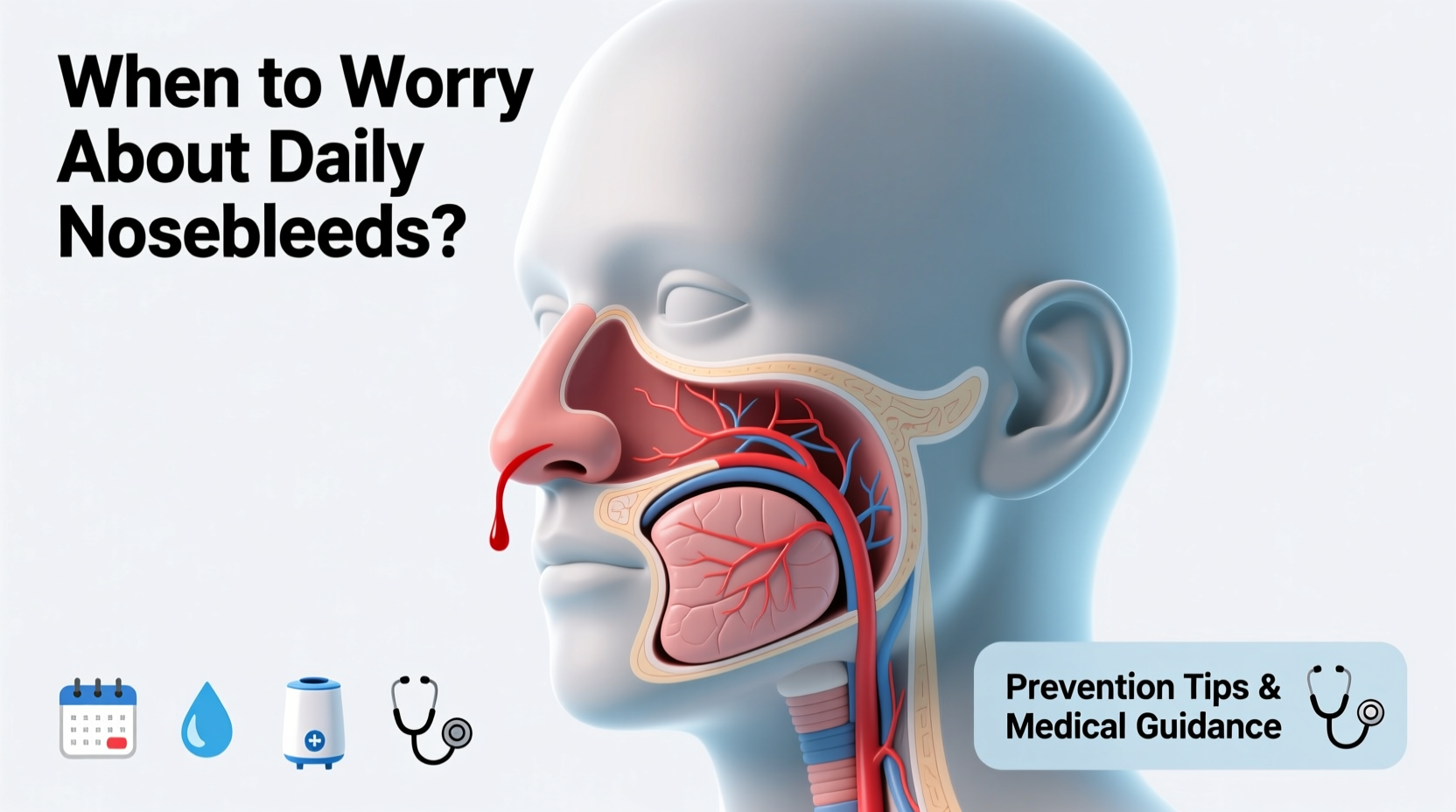
The nasal lining contains a dense network of blood vessels close to the surface, especially in the front part of the septum—the wall dividing the two nostrils. This area, known as Little’s area, is responsible for over 90% of nosebleeds. When this delicate tissue dries out, gets irritated, or sustains minor trauma, vessels can rupture easily.
Nosebleeds are categorized into two types:
- Anterior nosebleeds: Originate from the front of the nose, typically mild, and often manageable at home.
- Posterior nosebleeds: Come from deeper inside the nasal cavity, involve larger blood vessels, and are more serious—commonly requiring medical attention.
Daily anterior bleeds may stem from irritation or dryness, while recurring posterior episodes should never be ignored.
Common Causes of Daily Nosebleeds
Frequent nosebleeds rarely happen without reason. Several everyday factors can trigger them consistently:
- Dry air: Especially during winter or in air-conditioned environments, low humidity dries nasal membranes, making them prone to cracking.
- Nasal irritation: Frequent nose blowing, picking, or rubbing damages fragile blood vessels.
- Allergies and infections: Chronic sinusitis or allergic rhinitis cause inflammation and persistent nasal discharge, increasing vulnerability.
- Medications: Blood thinners (like aspirin or warfarin), nasal sprays (especially steroid or decongestant types used excessively), and antihistamines contribute to dryness or reduced clotting.
- Anatomical issues: Deviated septum or nasal polyps create airflow imbalances and localized drying.
- Environmental irritants: Smoke, chemical fumes, or pollution inflame nasal passages.
When to Worry: Red Flags That Require Medical Attention
While most nosebleeds are benign, daily occurrences demand closer scrutiny. Certain symptoms indicate the need for prompt evaluation by a healthcare provider:
“Recurrent nosebleeds shouldn’t be dismissed, especially if they interfere with daily function. They can be early indicators of systemic conditions like hypertension or clotting disorders.” — Dr. Lena Torres, Otolaryngologist
| Symptom | Normal | Concerning |
|---|---|---|
| Frequency | Occasional, isolated incidents | Daily or multiple times per day |
| Duration | Stops within 5–10 minutes | Lasts longer than 20 minutes despite pressure |
| Blood volume | Small amount, mostly anterior | Large volume, flows down throat, causes coughing |
| Associated symptoms | None or mild irritation | Dizziness, fatigue, frequent bruising, headaches |
| Response to treatment | Improves with humidification or nasal care | Persists despite home remedies |
Additional red flags include:
- Nosebleeds beginning after starting a new medication
- A family history of bleeding disorders
- Unexplained weight loss or facial pain
- One-sided bleeding that worsens over time
In rare cases, chronic unilateral (one-sided) nosebleeds may be linked to nasal tumors, particularly in smokers or those over 50.
Prevention Strategies for Long-Term Relief
Preventing daily nosebleeds hinges on protecting and strengthening the nasal mucosa. The following evidence-based approaches reduce recurrence significantly:
1. Maintain Optimal Humidity
Use a humidifier in bedrooms, especially during winter months. Aim for indoor humidity between 40% and 60%. Monitor levels with a hygrometer to avoid excess moisture, which encourages mold growth.
2. Practice Gentle Nasal Care
Avoid forceful nose-blowing. Instead, blow one nostril at a time gently. Trim fingernails short to minimize damage from unconscious picking.
3. Use Saline Regularly
Apply preservative-free saline sprays or gels multiple times a day. For severe dryness, consider a saline nasal rinse (e.g., neti pot) once daily.
4. Apply Moisturizing Agents
At bedtime, apply a thin layer of petroleum jelly or a nasal emollient ointment (such as Ayr or Burt’s Bees for noses) inside the nostrils using a cotton swab.
5. Adjust Medication Use
If you’re using nasal decongestant sprays (like oxymetazoline), limit use to no more than three consecutive days to avoid rebound congestion and tissue damage.
Step-by-Step Guide: What to Do During a Nosebleed
Knowing how to respond properly reduces both duration and anxiety:
- Sit upright and lean forward slightly. This prevents blood from flowing down the throat, which can cause nausea or coughing.
- Pinch the soft part of your nose (just below the bony bridge) firmly with your thumb and index finger.
- Hold pressure continuously for 10–15 minutes. Do not check frequently—this disrupts clot formation.
- Breathe through your mouth and remain calm. Talking or swallowing repeatedly can dislodge clots.
- After bleeding stops, avoid blowing your nose, bending over, or exercising for at least 12 hours.
- If bleeding persists beyond 20 minutes, seek emergency care.
Real-Life Example: Managing Chronic Nosebleeds at Work
Sarah, a 34-year-old office manager in Denver, began experiencing daily nosebleeds during the winter. Her workspace was heated and dry, and she frequently blew her nose due to allergies. Initially dismissing them as seasonal, she grew concerned when bleeds lasted longer and started occurring during meetings.
After visiting an ENT specialist, Sarah learned that chronic dryness combined with overuse of a nasal steroid spray had thinned her nasal lining. She was advised to switch to a saline gel, use a desktop humidifier, and adjust her spray technique to aim away from the septum. Within three weeks, her nosebleeds ceased entirely.
Her case highlights how environmental factors, when compounded by behavior, can lead to persistent issues—and how targeted changes yield fast results.
Checklist: Daily Prevention Routine
Follow this simple checklist each day to protect your nasal health:
- ✅ Use a humidifier at night
- ✅ Apply nasal moisturizer before bed
- ✅ Use saline spray 2–3 times daily
- ✅ Avoid nose picking or aggressive blowing
- ✅ Stay hydrated—drink at least 8 glasses of water
- ✅ Review medications with your doctor monthly
- ✅ Clean humidifiers weekly to prevent bacterial growth
Frequently Asked Questions
Can high blood pressure cause daily nosebleeds?
Yes, uncontrolled hypertension can contribute to more frequent or severe nosebleeds, especially posterior ones. While high blood pressure doesn’t typically cause nosebleeds on its own, it can make bleeding harder to stop and prolong recovery.
Are daily nosebleeds dangerous in children?
In children, frequent nosebleeds are often due to dry air or nose picking and are usually not serious. However, daily episodes warrant evaluation to rule out allergies, foreign bodies, or clotting issues—particularly if there's a history of easy bruising or prolonged bleeding from cuts.
Should I see an ENT specialist for recurring nosebleeds?
Yes. If nosebleeds occur daily for more than two weeks despite preventive measures, consulting an ear, nose, and throat (ENT) specialist is recommended. They can perform a nasal endoscopy to examine the lining and identify problem areas like dilated vessels or structural abnormalities.
Take Control of Your Nasal Health
Daily nosebleeds are more than just a nuisance—they’re a sign your body needs attention. With the right combination of environmental control, gentle care, and medical awareness, most people can stop the cycle of bleeding and restore comfort. Don’t wait for symptoms to escalate. Start implementing these strategies today, monitor your progress, and seek professional guidance when needed. Your long-term well-being depends on listening closely to what your body tells you.




 浙公网安备
33010002000092号
浙公网安备
33010002000092号 浙B2-20120091-4
Comments
No comments yet. Why don't you start the discussion?