
The smartphone market has long been dominated by giants like Apple and Samsung, but in recent years, challengers have emerged with fresh ideas and bold designs. One of the most talked-about newcomers is Nothing, a brand founded by Carl Pei, co-founder of OnePlus. Its debut device, the Nothing Phone (1), entered a crowded arena already occupied by iconic devices like the iPhone X. While the iPhone X may be several years old, its legacy still influences how users perceive premium smartphones. So, when comparing the Nothing Phone (1) against the iPhone X, is the new kid on the block truly worth the hype?
This comparison isn’t just about specs—it’s about philosophy, user experience, and long-term value. The iPhone X represented a turning point for Apple: edge-to-edge displays, Face ID, and a minimalist aesthetic. The Nothing Phone (1), released in 2022, responded with transparency, Glyph Interface lighting, and Android-based customization. Let’s break down where each device excels and whether innovation can outshine legacy.
Design & Build: Transparency vs. Timelessness
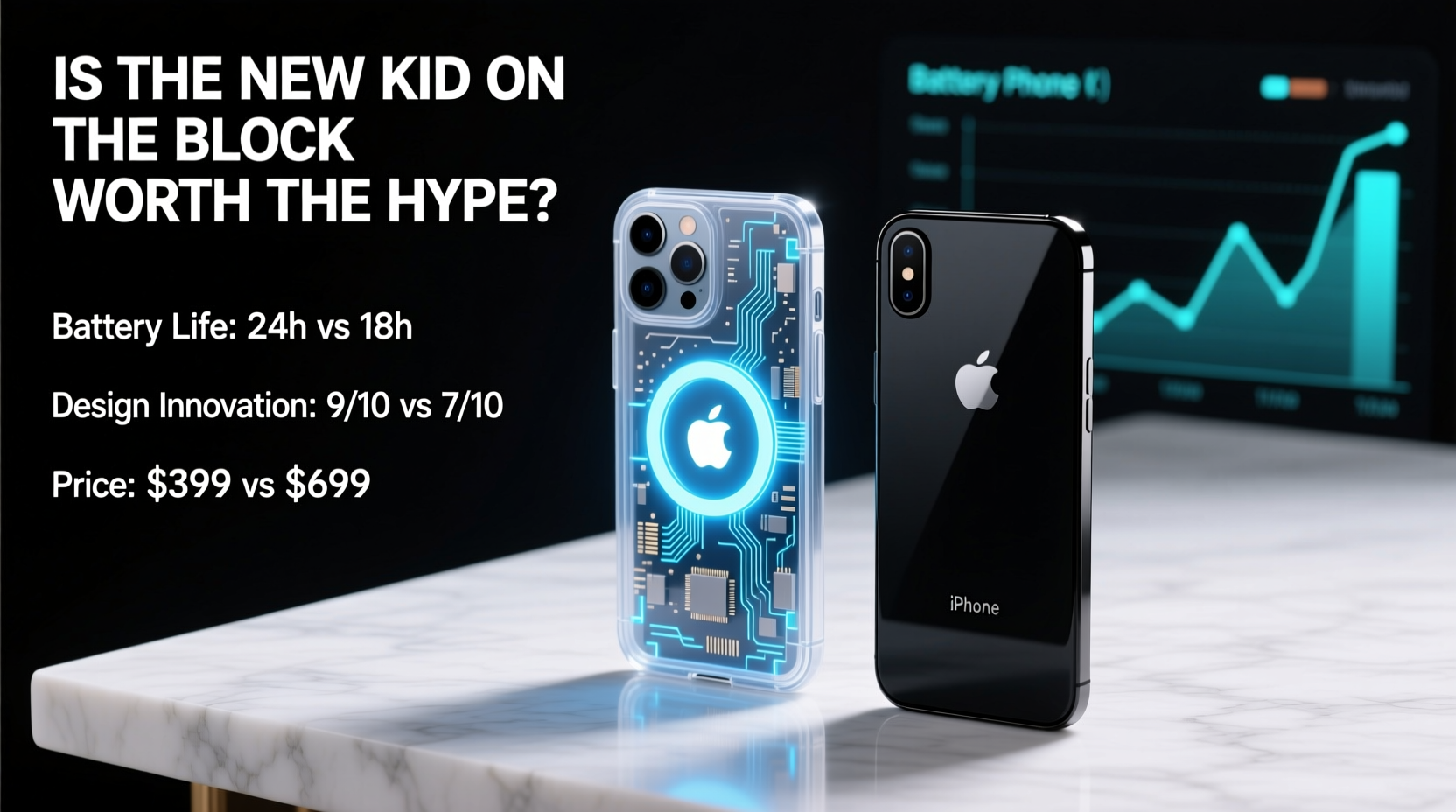
The iPhone X set a new standard for smartphone design in 2017. Its stainless steel frame, glass back, and near-bezel-less OLED display made it instantly iconic. Apple’s design language emphasized minimalism—no visible branding, clean lines, and a focus on subtlety. It was a statement that elegance didn’t need flair.
In contrast, the Nothing Phone (1) embraces visibility. Its transparent back reveals internal components, not as a gimmick, but as a design philosophy rooted in honesty and curiosity. Paired with the Glyph Interface—LED lights that pulse and react to calls, notifications, and music—the Phone (1) turns functionality into visual expression.
While the iPhone X feels premium in hand, its glass body is prone to cracks without protection. The Nothing Phone (1) uses recycled plastic and aluminum, making it lighter and more durable in everyday use. However, fingerprints show easily on the transparent panel, requiring frequent wiping.
Performance & Software Experience
Under the hood, these phones reflect their eras. The iPhone X runs on Apple’s A11 Bionic chip, which, even today, handles iOS tasks efficiently. Despite being older hardware, iOS optimization ensures smooth performance for basic apps, messaging, and media consumption. However, demanding games or multitasking reveal its age, especially with newer iOS versions no longer supported beyond iOS 16.
The Nothing Phone (1), powered by the Qualcomm Snapdragon 778G+, delivers modern mid-range performance. It handles gaming, streaming, and multitasking with ease, running Nothing OS—a lightweight, near-stock Android experience with thoughtful customizations. Unlike bloated Android skins, Nothing OS removes bloatware and enhances usability with features like “Smart Focus” and gesture controls.
“Nothing OS strikes a rare balance between simplicity and smart enhancements—it feels fast because it doesn’t try to do too much.” — James Lee, Mobile Tech Analyst at TechPulse Weekly
iOS continues to offer superior app optimization and long-term software support. The iPhone X received five major updates, an impressive lifespan. Meanwhile, Nothing promises three generations of Android upgrades and four years of security patches—solid for a new brand, but unproven over time.
Camera Comparison: Consistency vs. Innovation
The iPhone X's dual 12MP rear cameras (wide and telephoto) were class-leading in 2017. Apple’s image processing algorithms produced natural colors, excellent dynamic range, and reliable portrait mode effects. Video recording, especially 4K at 60fps, remains strong, though low-light performance lags behind modern standards.
The Nothing Phone (1) features a dual 50MP main sensor setup with a secondary 50MP ultra-wide lens. On paper, this is a significant upgrade. In practice, daylight photos are sharp and vibrant, with good HDR handling. Low-light performance has improved over initial firmware, but consistency varies—sometimes oversharpened or overexposed.
| Feature | iPhone X | Nothing Phone (1) |
|---|---|---|
| Main Camera | 12MP, f/1.8 | 50MP, f/1.88 |
| Ultra-Wide | No | 50MP, f/2.2 |
| Front Camera | 7MP, f/2.2 | 32MP, f/2.0 |
| Video Recording | 4K@60fps | 4K@30fps |
| Low-Light Performance | Moderate | Good (with Night Mode) |
For social media creators, the higher-resolution front camera on the Nothing Phone (1) is a clear advantage. But for those who value color accuracy and video stability, the iPhone X still holds up remarkably well.
Battery Life & Charging: Efficiency vs. Speed
The iPhone X packs a 2,716mAh battery. By today’s standards, this is modest. Real-world usage typically yields a full day with light use, but heavy browsing or video drains it faster. It supports 18W fast charging (with adapter sold separately) and Qi wireless charging.
The Nothing Phone (1) comes with a 4,500mAh battery—nearly 65% larger. With a 6.55-inch 120Hz OLED display, battery life remains solid, often lasting a day and a half under moderate use. It supports 33W fast charging, reaching 50% in about 30 minutes. It also includes reverse wireless charging, allowing you to power accessories like earbuds directly from the back.
Real-World Use Case: A Freelancer’s Perspective
Meet Sarah, a freelance photographer and digital content creator based in Berlin. She used her iPhone X daily for five years—shooting Instagram reels, editing on Lightroom, and managing client emails. When it began slowing down and the battery degraded, she considered upgrading to an iPhone 13 but was drawn to the Nothing Phone (1) after seeing its Glyph Interface in a friend’s hands.
She switched six months ago. “The transparency felt gimmicky at first,” she admits, “but now I love how the lights notify me without checking my phone. The front camera is sharper for vlogging, and 33W charging means I’m never stuck waiting.” However, she notes that some photography apps still run better on iOS, and syncing with her MacBook remains a hurdle.
Sarah’s experience reflects a broader trend: younger, tech-savvy users are open to switching ecosystems for innovation, while professionals tied to Apple’s ecosystem may hesitate despite compelling alternatives.
Should You Upgrade? A Practical Checklist
- Evaluate your ecosystem: Are you invested in Apple services (iCloud, iMessage, AirDrop)? Switching costs matter.
- Assess performance needs: Do you play graphics-heavy games or edit videos? The Phone (1) handles modern apps better.
- Consider longevity: iPhone X is no longer supported; the Phone (1) will receive updates until at least 2026.
- Value uniqueness: If standing out matters, the Glyph Interface and transparent design offer real personality.
- Check resale value: iPhones traditionally retain value better than Android counterparts.
Frequently Asked Questions
Can the Nothing Phone (1) replace an iPhone X smoothly?
Yes, for most daily tasks. Contacts, photos, and messages can be migrated via Google services or third-party tools. However, iMessage and FaceTime aren’t available, and some apps may lack feature parity.
Is the Glyph Interface useful or just flashy?
Initially seen as a novelty, many users report it improves notification awareness—especially in meetings or noisy environments. Customization options let you assign specific light patterns to contacts or apps, adding functional value.
Which phone has better long-term support?
The iPhone X reached end-of-life in terms of software updates. The Nothing Phone (1) is guaranteed Android 14 and 15 updates, plus four years of security patches—making it the clear winner for future-proofing.
Final Verdict: Innovation Meets Legacy
The Nothing Phone (1) isn’t trying to copy Apple. Instead, it challenges the status quo by prioritizing transparency, user engagement, and bold design. It doesn’t match the iPhone X’s aura of timeless elegance, but it brings freshness, speed, and modern features that the older iPhone simply can’t offer.
If you’re still using an iPhone X, the upgrade to the Nothing Phone (1) represents a leap forward in battery life, camera resolution, charging speed, and software fluidity. However, if you rely heavily on Apple’s ecosystem, the transition requires adjustment.
The hype around Nothing isn’t just marketing—it’s built on a genuine attempt to rethink what a smartphone can be. For users tired of predictable designs and ready to embrace something different, the new kid on the block isn’t just worth the hype. It’s a legitimate alternative.




 浙公网安备
33010002000092号
浙公网安备
33010002000092号 浙B2-20120091-4
Comments
No comments yet. Why don't you start the discussion?