
Spinach is widely celebrated as a nutritional powerhouse, but many overlook a critical fact: cooking spinach significantly alters its nutrient profile—often for the better. While raw spinach retains certain heat-sensitive vitamins, cooked spinach delivers enhanced absorption of key antioxidants, minerals, and fat-soluble nutrients. Understanding this transformation empowers home cooks and health-conscious eaters to maximize the benefits of one of nature’s most efficient green vegetables. The shift from raw to cooked changes not only texture and volume but also bioavailability, concentration, and functional nutrition. This detailed analysis explores the science behind cooked spinach’s nutrient composition, compares it with its raw form, and provides practical guidance on how to use it effectively in everyday meals.
Definition & Overview
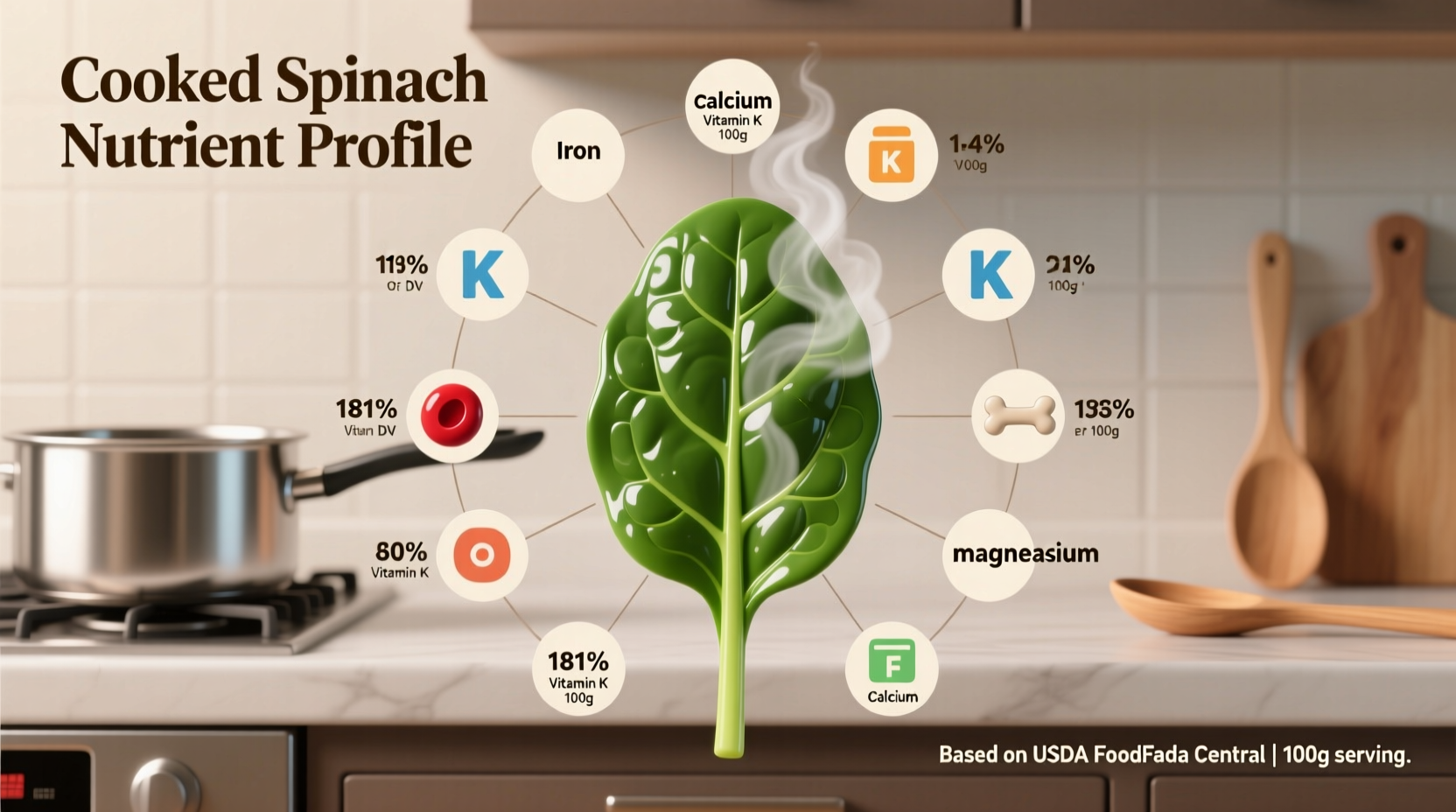
Cooked spinach refers to any preparation of the leafy green vegetable *Spinacia oleracea* that has undergone thermal processing—typically steaming, boiling, sautéing, or blanching. Originating in ancient Persia and introduced to Europe via Spain in the 12th century, spinach is now a global staple valued for its mild flavor, versatility, and dense micronutrient content. As a member of the Amaranthaceae family, it grows in cool climates and is available in multiple varieties, including flat-leaf, savoy, and semi-savoy types.
When cooked, spinach undergoes significant physical and chemical changes. Its high water content (about 91% in raw form) evaporates, reducing volume by up to 75%. This concentration effect intensifies the density of many nutrients per serving. Additionally, thermal treatment breaks down cell walls, releasing bound nutrients and making them more accessible during digestion. Unlike some vegetables that lose nutritional value when heated, spinach gains advantages in mineral availability and antioxidant uptake—particularly for lutein, beta-carotene, and iron.
Key Characteristics of Cooked Spinach
- Flavor: Milder and slightly sweet compared to raw; bitterness diminishes with proper cooking.
- Aroma: Earthy and vegetal, especially when sautéed with garlic or olive oil.
- Color: Deep emerald green; may darken slightly depending on pH and cook time.
- Texture: Tender, soft, and silky; wilts completely when fully cooked.
- Culinary Function: Acts as a base for dishes, thickener in sauces, nutrient booster in soups, or standalone side.
- Shelf Life: 3–5 days refrigerated after cooking; can be frozen for up to 10 months.
- Density: One pound of raw spinach yields approximately 1 cup cooked, concentrating nutrients.
Pro Tip: To preserve color and minimize nutrient loss, avoid overcooking. Steam or blanch spinach just until wilted—usually 2 to 3 minutes—and immediately plunge into ice water if not using right away.
Nutritional Composition: Per 1 Cup (180g) of Boiled, Drained Spinach
The U.S. Department of Agriculture's FoodData Central provides precise nutrient values for cooked spinach. Below is a comprehensive breakdown of its macronutrients and micronutrients:
| Nutrient | Amount | % Daily Value (DV) |
|---|---|---|
| Calories | 41 kcal | — |
| Protein | 5.3 g | 11% |
| Dietary Fiber | 4.3 g | 15% |
| Vitamin A (as RAE) | 943 mcg | 105% |
| Vitamin K | 888.5 mcg | 740% |
| Folate (B9) | 263 mcg | 66% |
| Vitamin C | 17.6 mg | 19% |
| Iron | 6.4 mg | 36% |
| Calcium | 245 mg | 19% |
| Magnesium | 157 mg | 37% |
| Potassium | 839 mg | 18% |
| Zinc | 1.4 mg | 13% |
| Beta-Carotene | 5,626 mcg | — |
| Lutein + Zeaxanthin | 12,198 mcg | — |
Note: Values are for boiled, drained spinach without added salt or fat. Percent Daily Values based on a 2,000-calorie diet.
Why Cooking Enhances Nutrient Bioavailability
One of the most misunderstood aspects of spinach nutrition is how cooking improves the body’s ability to absorb certain nutrients. Three primary mechanisms explain this enhancement:
- Breakdown of Cell Walls: Heat disrupts plant cell membranes and vacuoles, releasing nutrients trapped within. This makes carotenoids like beta-carotene and lutein far more accessible.
- Inactivation of Antinutrients: Raw spinach contains oxalic acid, which binds to calcium and iron, reducing their absorption. Cooking reduces soluble oxalate levels by up to 30–87%, depending on method. Boiling is most effective due to leaching into water.
- Increased Fat-Soluble Vitamin Absorption: Vitamins A, E, and K require dietary fat for optimal uptake. When cooked with oils or served alongside fatty foods, these vitamins become significantly more bioavailable.
\"Cooking spinach isn’t a compromise—it’s a strategic upgrade for mineral and antioxidant delivery. The trade-off in vitamin C is outweighed by gains in iron, calcium, and eye-protective carotenoids.\" — Dr. Elena Torres, Registered Dietitian and Plant Nutrition Specialist
Practical Usage in Cooking
Cooked spinach integrates seamlessly into both simple weeknight meals and refined culinary preparations. Because of its concentrated form and neutral flavor, it adapts well to diverse cuisines and techniques.
Sautéed Garlic Spinach (Basic Preparation)
- Heat 1 tbsp olive oil in a large skillet over medium heat.
- Add 2 minced garlic cloves; sauté 30 seconds until fragrant.
- Add 10 oz fresh spinach in batches, stirring until wilted (2–3 minutes).
- Season with sea salt, black pepper, and a squeeze of lemon juice.
- Serve immediately as a side dish or incorporate into grains and proteins.
Applications Across Cuisines
- Mediterranean: Fold into spanakopita (spinach-feta pie), mix with quinoa, or add to lentil stews.
- Indian: Use in palak paneer, dal makhani, or as a filling for parathas.
- Western: Blend into mashed potatoes, omelets, pasta sauces, or casseroles.
- Modern Fusion: Purée into smoothies (post-cook, cooled), stuff into chicken breasts, or layer in grain bowls.
Chef’s Note: For maximum nutrient retention and flavor, steam spinach instead of boiling when you want to keep water-soluble vitamins. If reducing oxalates is the priority (e.g., for kidney stone prevention), boil and discard the water.
Variants & Types of Cooked Spinach
While all spinach responds similarly to heat, different starting forms affect final texture, convenience, and nutrient outcomes:
| Type | Preparation Method | Nutrient Notes | Best Uses |
|---|---|---|---|
| Fresh Spinach (raw, then cooked) | Steamed, sautéed, boiled | Highest overall nutrient retention; moderate oxalate reduction | Stir-fries, side dishes, sauces |
| Frozen Spinach (pre-blanced) | Thawed and squeezed, then reheated | Lower oxalate content; slightly reduced vitamin C | Baking, dips, soups, casseroles |
| Canned Spinach | Ready-to-use, heated | Higher sodium; lower vitamin C; stable minerals | Emergency meals, institutional cooking |
| Dehydrated/Leaf Powder | Reconstituted or blended | Concentrated nutrients; very low moisture | Smoothies, rubs, dough enrichment |
Frozen spinach is particularly useful for consistent year-round access and often outperforms fresh in mineral bioavailability due to pre-treatment blanching, which reduces oxalic acid. However, it releases more water during cooking, so thorough draining is essential.
Comparison with Similar Leafy Greens
Spinach is frequently compared to other dark leafy greens. While they share nutritional themes, key differences influence dietary choices:
| Green | Vitamin K (mcg/cup cooked) | Iron (mg/cup cooked) | Oxalate Level | Distinct Advantage |
|---|---|---|---|---|
| Spinach | 888.5 | 6.4 | High (reduced by cooking) | Best lutein/zeaxanthin source |
| Kale | 1,062 | 1.2 | Moderate | Higher vitamin C and glucosinolates |
| Swiss Chard | 300 | 4.0 | High | Rich in syringic acid (blood sugar support) |
| Collard Greens | 772 | 2.5 | Low | Excellent calcium bioavailability |
Spinach stands out for its unparalleled lutein and zeaxanthin content—critical for macular health and cataract prevention. However, due to higher oxalate levels, it should be rotated with lower-oxalate greens like collards for balanced mineral intake.
Practical Tips & FAQs
Does cooking destroy nutrients in spinach?
Partially. Water-soluble vitamins like vitamin C and some B vitamins degrade with heat. However, the increase in bioavailability of iron, calcium, and carotenoids more than compensates. Overall nutrient utility improves despite selective losses.
Is cooked spinach better than raw for iron absorption?
Yes. Although raw spinach contains more total iron, much of it is bound by oxalic acid. Cooking reduces soluble oxalates and increases the proportion of usable iron, especially when consumed with vitamin C-rich foods (e.g., bell peppers or tomatoes).
How should I store cooked spinach?
Cool quickly after cooking and store in an airtight container in the refrigerator for up to 5 days. For longer storage, freeze in portion-sized containers for up to 10 months. Thaw in the fridge or reheat directly from frozen in soups or sauces.
Can I eat too much cooked spinach?
For most people, no. However, individuals prone to calcium-oxalate kidney stones should limit daily intake and pair spinach with calcium-rich foods (like dairy) during meals. The calcium binds oxalate in the gut, preventing absorption.
What’s the best oil to cook spinach in?
Extra virgin olive oil is ideal. It provides healthy monounsaturated fats that enhance absorption of fat-soluble vitamins and contains polyphenols that complement spinach’s antioxidant profile.
How much cooked spinach should I eat per day?
One cup (180g) of cooked spinach daily provides exceptional nutritional benefits without risk for most adults. This aligns with USDA recommendations for vegetable variety and density.
Quick Checklist: Maximizing Nutrient Yield from Cooked Spinach
- Boil or steam instead of microwaving for greater oxalate reduction.
- Pair with vitamin C sources to boost non-heme iron absorption.
- Add a fat source (oil, avocado, cheese) to improve carotenoid uptake.
- Squeeze out excess water after thawing frozen spinach to prevent sogginess.
- Use cooking liquid in soups or sauces if boiling—some minerals leach into water.
Summary & Key Takeaways
Cooked spinach is not merely a softer version of its raw counterpart—it is a nutritionally upgraded form optimized for human digestion and disease prevention. While it loses some vitamin C during heating, it gains substantially in the bioavailability of iron, calcium, and vision-supporting carotenoids. With over 700% of the daily value for vitamin K and rich stores of magnesium and folate, cooked spinach supports bone health, cardiovascular function, and cellular metabolism.
The method of cooking matters: boiling reduces oxalates most effectively, while steaming preserves more vitamins. Frozen spinach offers a convenient, pre-treated alternative with excellent nutrient profiles. When integrated wisely—with fats for absorption and complementary foods for synergy—cooked spinach becomes one of the most efficient single-ingredient boosts for whole-body wellness.
To harness its full potential, treat cooked spinach not as a side note but as a central player in your nutritional strategy. Whether folded into eggs, puréed into sauces, or served simply with garlic and olive oil, it remains one of the most powerful tools in the plant-based arsenal.




 浙公网安备
33010002000092号
浙公网安备
33010002000092号 浙B2-20120091-4
Comments
No comments yet. Why don't you start the discussion?