
Despite enduring myths about starchy vegetables, boiled potatoes are a nutrient-dense, affordable, and versatile food with significant health benefits when prepared mindfully. Often misunderstood due to their carbohydrate content, potatoes—especially when boiled—offer high levels of essential vitamins, minerals, and resistant starch that support digestive health, energy metabolism, and satiety. Understanding the true nutritional profile of boiled potatoes dispels outdated dietary fears and reveals their rightful place in balanced meals. This comprehensive analysis explores their macronutrient composition, micronutrient contributions, impact on blood sugar, and optimal culinary use for long-term wellness.
Definition & Overview
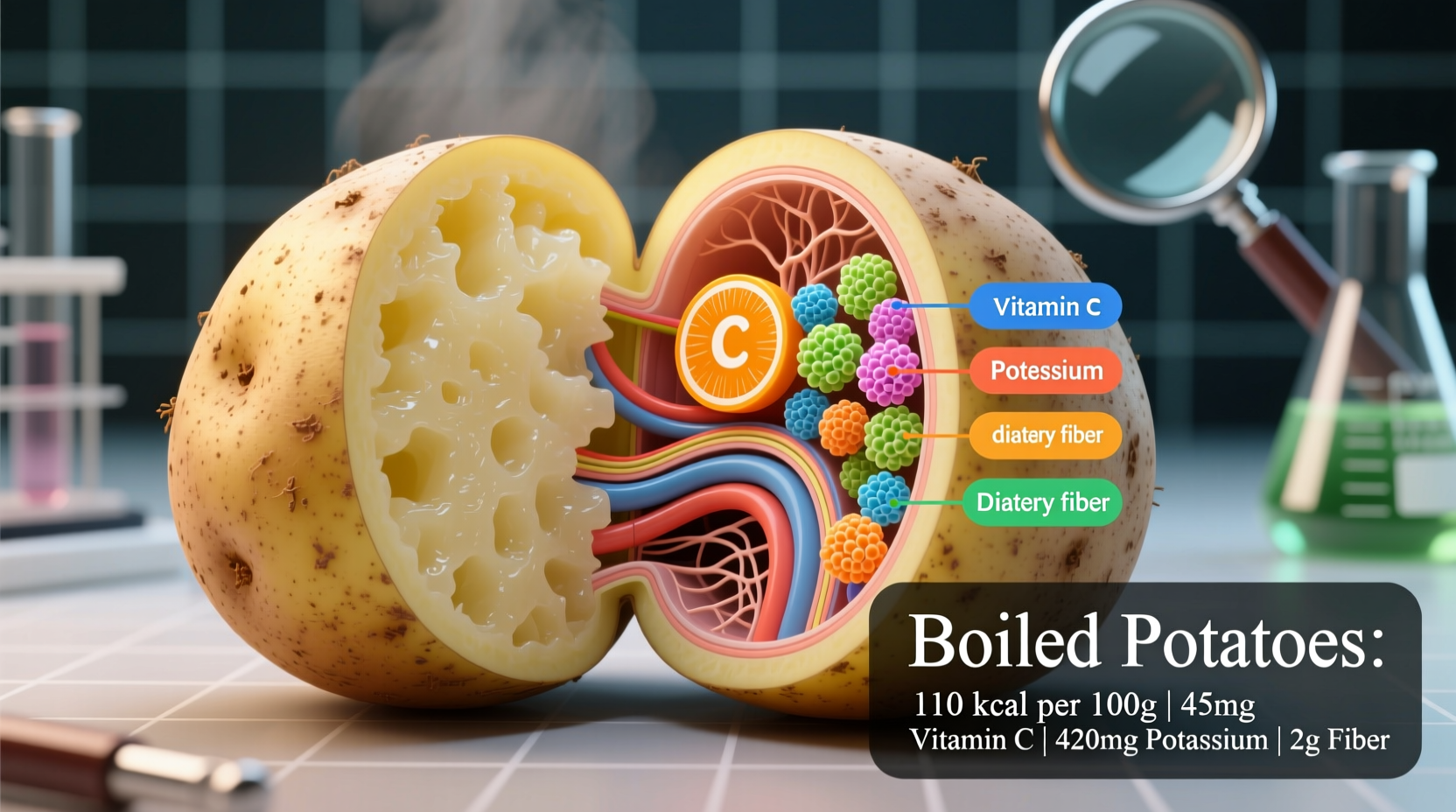
The potato (Solanum tuberosum) is a root vegetable native to the Andes region of South America, domesticated over 7,000 years ago. Today, it ranks among the world’s most widely consumed crops, second only to rice, wheat, and maize in global significance. When boiled—cooked in water without fat or seasoning—the potato undergoes minimal chemical alteration, preserving its natural nutrients while enhancing digestibility.
Boiling is one of the simplest and healthiest cooking methods, involving submersion in hot water until tender. Unlike frying or roasting at high temperatures, boiling limits the formation of acrylamide (a potential carcinogen) and avoids added fats. The result is a soft, mildly sweet, and creamy-textured food rich in complex carbohydrates, potassium, vitamin C, and B vitamins. Far from being “empty calories,” properly prepared boiled potatoes contribute meaningfully to daily nutrient intake, particularly in populations where access to diverse produce is limited.
Key Characteristics of Boiled Potatoes
| Attribute | Description |
|---|---|
| Flavor Profile | Mildly sweet, earthy, with subtle nuttiness; absorbs seasonings well. |
| Aroma | Clean, starchy, slightly vegetal when freshly cooked. |
| Color/Form | Opaque white to pale yellow flesh; skin may be brown, red, purple, or golden depending on variety. |
| Texture (when boiled) | Soft and moist; holds shape if waxy varieties are used. |
| Heat Level | Non-spicy; neutral thermal effect on digestion. |
| Culinary Function | Base ingredient for salads, side dishes, mashing, soups; adds bulk, texture, and nutrients. |
| Shelf Life (cooked) | 3–5 days refrigerated in airtight container; best consumed within 48 hours for optimal taste and safety. |
Nutritional Composition per 100g of Boiled Potatoes (with Skin)
A medium-sized boiled potato (approximately 150g) provides a balanced mix of macronutrients and micronutrients. The following table outlines key values based on USDA FoodData Central data:
| Nutrient | Amount (per 100g) | % Daily Value* (Adult) |
|---|---|---|
| Calories | 87 kcal | 4% |
| Water | 79 g | — |
| Protein | 2.0 g | 4% |
| Total Carbohydrate | 20.1 g | 7% |
| Dietary Fiber | 2.3 g | 8% |
| Sugars | 0.9 g | — |
| Fat | 0.1 g | <1% |
| Potassium | 421 mg | 9% |
| Vitamin C | 19.7 mg | 22% |
| Vitamin B6 (Pyridoxine) | 0.29 mg | 17% |
| Magnesium | 23 mg | 6% |
| Phosphorus | 57 mg | 8% |
| Folate (B9) | 15 µg | 4% |
| Iron | 0.78 mg | 4% |
*Percent Daily Values based on a 2,000-calorie diet. Individual needs may vary.
Tip: Leaving the skin on during boiling increases fiber content by up to 20% and retains more potassium and antioxidants. Always scrub potatoes thoroughly before cooking with skin.
Health Benefits of Key Nutrients
Potassium: Blood Pressure Regulation
With more potassium than a banana (421 mg vs. 358 mg per 100g), boiled potatoes help counteract sodium's effects, supporting healthy blood pressure. Diets rich in potassium are associated with reduced risk of stroke and cardiovascular disease.
Vitamin C: Immune and Skin Support
Though often linked only to citrus fruits, potatoes provide nearly one-fifth of the daily vitamin C requirement. This antioxidant protects cells from oxidative stress, aids collagen synthesis, and enhances non-heme iron absorption when eaten with plant-based meals.
Resistant Starch: Gut Health Promoter
When boiled and cooled, potatoes form resistant starch—a type of fiber that resists digestion in the small intestine and feeds beneficial gut bacteria in the colon. This fermentation produces short-chain fatty acids like butyrate, which nourish intestinal cells and reduce inflammation.
“Cooking and cooling starchy foods like potatoes transforms some of their digestible starch into resistant starch, effectively turning them into prebiotic powerhouses.” — Dr. Joanne Slavin, Registered Dietitian and Professor of Food Science, University of Minnesota
Practical Usage in Cooking
Boiled potatoes are foundational in cuisines worldwide—from German Kartoffelsalat to Indian aloo sabzi. Their neutral flavor makes them adaptable to both savory and subtly spiced preparations. Here’s how to use them effectively in home and professional kitchens:
Home Cooking Applications
- Potato Salad: Use waxy varieties (e.g., Yukon Gold, red bliss) boiled until just tender. Cool completely before mixing with vinegar-based dressings to enhance resistant starch formation.
- Mashed Potatoes: Boil peeled or unpeeled potatoes in salted water. For creaminess without butter, blend with warm milk or broth using a ricer or hand mixer to avoid gumminess.
- Soups and Stews: Add cubed boiled potatoes to lentil soups, minestrone, or chowders for thickness and nutrition.
- Bowls and Grain Salads: Combine cooled boiled potatoes with quinoa, greens, hard-boiled eggs, and olive oil for a hearty lunch option.
Professional Kitchen Techniques
- Par-cooking: Chefs often partially boil potatoes before finishing in oven or pan to achieve crisp exteriors and fluffy interiors.
- Infused Cooking Liquids: Boil potatoes in herb-infused water (e.g., rosemary, bay leaf) to impart subtle flavor without added fat.
- Batch Cooling for Resistant Starch: In commercial meal prep, boiled potatoes are rapidly chilled to maximize resistant starch content for diabetic-friendly menus.
Pairing Suggestions and Ratios
- With Fats: A teaspoon (5ml) of extra virgin olive oil per 100g enhances absorption of fat-soluble vitamins and improves satiety.
- With Acids: Toss cooled potatoes with apple cider vinegar or lemon juice (1 tbsp per 200g) to lower glycemic response and brighten flavor.
- With Proteins: Serve alongside grilled fish, chicken, or legumes for balanced macronutrient distribution.
- With Herbs/Spices: Dill, chives, parsley, black pepper, garlic powder, or smoked paprika add depth without calories.
Actionable Tip: To reduce glycemic impact, always pair boiled potatoes with protein, healthy fat, or acidic ingredients. Cooling after boiling reduces insulin response by up to 25% compared to hot, freshly boiled potatoes.
Variants & Types of Potatoes for Boiling
Not all potatoes behave the same when boiled. Choosing the right type ensures ideal texture and culinary performance.
| Type | Starch Content | Best Use When Boiled | Examples |
|---|---|---|---|
| Waxy | Low | Holds shape well; ideal for salads, soups, and boiling whole | Red Bliss, Fingerling, New Potatoes, Charlotte |
| Medium (All-Purpose) | Moderate | Versatile—good for mashing, boiling, roasting | Yukon Gold, Kennebec |
| Starchy | High | Tends to fall apart when boiled; better suited for baking or frying | Russet, King Edward |
For boiling, waxy and medium types are preferred. They have thinner skins, higher moisture, and maintain structural integrity even after prolonged cooking.
Comparison with Similar Ingredients
Potatoes are frequently compared—and contrasted—with other staple starches. Below is a comparison highlighting key differences:
| Feature | Boiled Potatoes | White Rice (boiled) | Pasta (boiled) | Quinoa (boiled) |
|---|---|---|---|---|
| Calories (per 100g) | 87 | 130 | 131 | 120 |
| Fiber | 2.3 g | 0.4 g | 2.5 g | 2.8 g |
| Protein | 2.0 g | 2.7 g | 4.5 g | 4.4 g |
| Vitamin C | 19.7 mg | 0 mg | 0 mg | 0 mg |
| Potassium | 421 mg | 55 mg | 86 mg | 172 mg |
| Resistant Starch (cooled) | High | Moderate | Moderate | Low |
This comparison shows that boiled potatoes outperform many grains in micronutrient density, particularly for vitamin C and potassium, while offering comparable fiber and energy content.
Practical Tips & FAQs
Does boiling destroy nutrients in potatoes?
Some water-soluble vitamins (like vitamin C and B6) leach into cooking water, especially during prolonged boiling. To minimize loss: cook with skin on, cut into large pieces, and avoid excessive cooking time. Using the cooking liquid in soups or gravies recovers lost nutrients.
Are boiled potatoes good for weight loss?
Yes, when prepared without added fats. Boiled potatoes rank highest on the satiety index—a measure of how full a food makes you feel per calorie. Their high water and fiber content promote fullness, reducing overall calorie intake.
Can people with diabetes eat boiled potatoes?
In moderation and with strategic preparation. Cooling boiled potatoes lowers their glycemic index by increasing resistant starch. Pairing with protein, fiber-rich vegetables, and vinegar further blunts blood sugar spikes.
How should I store boiled potatoes?
Cool within two hours of cooking and refrigerate in an airtight container. Consume within 3–5 days. Do not freeze unless mashed with stabilizers, as plain boiled potatoes become grainy upon thawing.
What are common mistakes when boiling potatoes?
- Starting in cold water: Always start with boiling water to ensure even cooking and prevent mushiness.
- Overcooking: Leads to disintegration and nutrient loss. Test doneness with a fork at 15–20 minutes.
- Salting too early: Adding salt at the beginning can toughen skins. Add after water boils or at the end of cooking.
- Peeling before boiling: Increases nutrient leaching. Peel after cooking if desired.
Are organic potatoes worth it?
Potatoes are listed on the Environmental Working Group’s “Dirty Dozen” due to pesticide residue. While peeling reduces exposure, choosing organic—especially for skin-on preparations—is advisable for minimizing chemical intake.
Summary & Key Takeaways
Boiled potatoes are far more than simple comfort food—they are a nutritionally robust component of a balanced diet. Key takeaways include:
- Boiled potatoes are rich in potassium, vitamin C, B6, and dietary fiber—nutrients critical for heart, immune, and digestive health.
- Cooking with skin on and cooling after boiling significantly boosts their health benefits, especially through increased resistant starch.
- They are naturally low in fat and calories, highly satiating, and cost-effective—ideal for budget-conscious and health-focused eaters alike.
- Waxy and medium-starch varieties perform best when boiled, maintaining texture and absorbing flavors gracefully.
- Strategic pairing with acids, proteins, and healthy fats moderates glycemic impact, making them suitable even for individuals managing blood sugar.
Try this tonight: Boil 200g of red bliss potatoes (with skin) in salted water for 15 minutes. Cool completely, then toss with 1 tsp olive oil, 1 tbsp apple cider vinegar, chopped dill, black pepper, and a handful of cherry tomatoes. Serve chilled as a nutrient-packed side dish.




 浙公网安备
33010002000092号
浙公网安备
33010002000092号 浙B2-20120091-4
Comments
No comments yet. Why don't you start the discussion?