
Grape tomatoes are more than just a convenient snack or salad addition—they are nutrient-dense powerhouses packed with essential vitamins, antioxidants, and phytonutrients that support long-term health. As consumers increasingly prioritize functional foods—those that deliver measurable health benefits beyond basic nutrition—understanding the true nutritional profile of everyday produce like grape tomatoes becomes essential. These small, oblong tomatoes offer a concentrated source of lycopene, vitamin C, potassium, and fiber, all while remaining low in calories and carbohydrates. Their portability and sweet-tangy flavor make them ideal for snacking, roasting, and enhancing both cold and hot dishes. This article provides a comprehensive breakdown of the science-backed nutritional advantages of grape tomatoes, how they compare to other tomato varieties, and practical ways to incorporate them into a balanced diet.
Definition & Overview
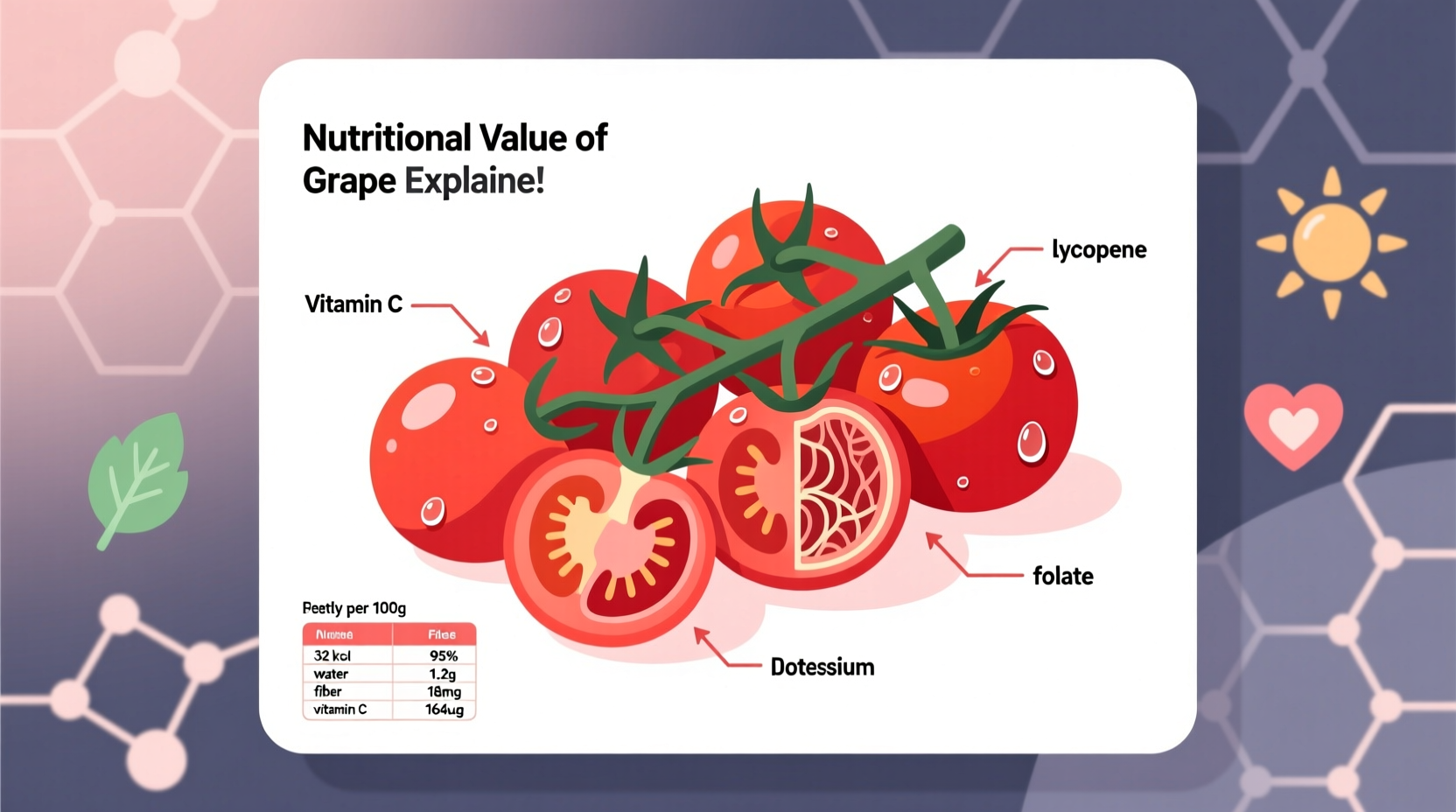
Grape tomatoes are a hybrid variety of *Solanum lycopersicum*, developed through selective breeding to combine the sweetness of cherry tomatoes with the firmness and durability of plum tomatoes. First introduced commercially in the 1990s, they earned their name from their elongated, grape-like shape—typically measuring between 1.5 to 3 centimeters in length. Unlike cherry tomatoes, which are perfectly round and often more watery, grape tomatoes have a thicker skin, denser flesh, and a higher sugar-to-acid ratio, contributing to their extended shelf life and robust flavor.
Primarily grown in controlled greenhouse environments or open fields depending on climate, grape tomatoes are available year-round in most grocery markets. They come in red, yellow, and occasionally orange or purple hues, each variant offering slightly different phytonutrient profiles. While commonly eaten raw, they hold up well to high-heat cooking methods such as roasting, grilling, and sautéing, making them versatile across culinary applications.
Key Characteristics
| Attribute | Description |
|---|---|
| Flavor Profile | Bright, mildly sweet with balanced acidity; less juicy than cherry tomatoes |
| Aroma | Fresh, green-vegetal with subtle earthy undertones |
| Color/Form | Oblong, grape-shaped; typically bright red, but also yellow, orange, or bi-colored |
| Texture | Firm skin, meaty interior with minimal seed cavities |
| Shelf Life | 7–14 days at room temperature (unwashed), up to 21 days refrigerated |
| Culinary Function | Raw consumption, roasting, sauces, garnishes, pickling |
| Heat Level | None – not spicy |
Nutritional Composition (Per 100g Raw Grape Tomatoes)
The following data is based on USDA FoodData Central and reflects the average nutritional content of raw red grape tomatoes:
- Calories: 18 kcal
- Water Content: ~92%
- Protein: 0.9 g
- Total Fat: 0.2 g
- Carbohydrates: 3.9 g
- Dietary Fiber: 2.6 g (~9% DV)
- Sugars: 2.5 g (naturally occurring glucose and fructose)
- Vitamin C: 13.7 mg (~15% DV)
- Vitamin A (as beta-carotene): 833 IU (~17% DV)
- Vitamin K: 7.9 µg (~10% DV)
- Potassium: 237 mg (~5% DV)
- Lycopene: ~10–15 mg per cup (varies by ripeness and color)
- Folate (B9): 38 µg (~10% DV)
- Magnesium, Phosphorus, Copper: Present in trace amounts
Notably, grape tomatoes are naturally free of cholesterol, sodium, and added sugars. Their glycemic index is low (~30), making them suitable for individuals managing blood sugar levels, including those with type 2 diabetes.
Tip: To maximize lycopene absorption—a fat-soluble antioxidant—consume grape tomatoes with a healthy fat source such as olive oil, avocado, or nuts. Cooking enhances lycopene bioavailability by breaking down cell walls.
Health Benefits Supported by Research
The nutritional value of grape tomatoes translates into tangible health outcomes, supported by clinical and epidemiological studies.
1. Cardiovascular Protection
Potassium and lycopene play key roles in maintaining heart health. Potassium helps regulate blood pressure by counteracting the effects of sodium, while lycopene has been associated with reduced LDL oxidation, a critical step in atherosclerosis development. A meta-analysis published in *Atherosclerosis* (2012) found that higher lycopene intake correlated with a 17% lower risk of cardiovascular events.
2. Antioxidant and Anti-Inflammatory Effects
Grape tomatoes contain multiple antioxidants, including vitamin C, lutein, zeaxanthin, and flavonoids like quercetin. These compounds neutralize free radicals and modulate inflammatory pathways. Chronic inflammation is linked to conditions such as arthritis, metabolic syndrome, and certain cancers. The synergistic effect of these phytonutrients enhances cellular defense mechanisms.
3. Eye Health Support
Lutein and zeaxanthin, carotenoids concentrated in the macula of the eye, filter harmful blue light and reduce oxidative stress. Regular intake of foods rich in these nutrients may lower the risk of age-related macular degeneration (AMD). Though spinach and kale are richer sources, grape tomatoes contribute meaningfully to daily intake, especially when consumed frequently.
4. Digestive Health
With nearly 3 grams of fiber per 100 grams, grape tomatoes support gut motility and feed beneficial intestinal microbiota. Insoluble fiber adds bulk to stool, while soluble fiber ferments into short-chain fatty acids (SCFAs) like butyrate, which nourish colon cells and maintain gut barrier integrity.
5. Cancer Risk Reduction
Lycopene has been extensively studied for its potential role in reducing the risk of prostate, lung, and stomach cancers. While not a cure, population studies suggest that men with higher serum lycopene levels have a lower incidence of aggressive prostate cancer. The American Institute for Cancer Research recognizes tomatoes as one of the most promising food groups for cancer prevention due to their lycopene content.
\"Tomatoes, particularly processed or cooked forms, are among the top dietary sources of bioavailable lycopene. Their regular inclusion in meals can significantly influence systemic antioxidant status.\" — Dr. Sarah Booth, Senior Scientist, Jean Mayer USDA Human Nutrition Research Center on Aging
Practical Usage in Cooking
Grape tomatoes’ structural integrity allows them to be used in diverse culinary contexts without disintegrating. Here’s how to leverage their nutritional and sensory qualities effectively:
Raw Applications
- Snacking: Serve whole with hummus, guacamole, or cottage cheese for protein-fat pairing that enhances satiety and nutrient absorption.
- Salads: Halve or leave whole in green salads, grain bowls, or Mediterranean platters. Combine with cucumbers, feta, olives, and extra virgin olive oil for a classic Greek-inspired dish.
- Salsas: Dice finely and mix with red onion, cilantro, lime juice, and jalapeño for a fresh pico de gallo.
Cooked Applications
- Rosé Sauce Base: Sauté halved grape tomatoes with garlic in olive oil until they burst. Add cream or coconut milk for a quick pasta sauce rich in lycopene.
- Ratatouille or Stews: Add during the final 10 minutes of cooking to preserve texture and bright flavor.
- Roasting: Toss with olive oil, thyme, and sea salt. Roast at 400°F (200°C) for 25–30 minutes until caramelized. Roasting increases sweetness and concentrates nutrients.
- Grilled Skewers: Thread onto kebabs with bell peppers, zucchini, and halloumi for a nutrient-dense summer grill option.
Pro Tip: When roasting grape tomatoes, leave them whole. Their skin prevents excessive moisture loss, and internal pressure builds flavor as juices concentrate. After roasting, they can be stored in oil for up to 10 days refrigerated—ideal for topping pizzas, bruschetta, or sandwiches.
Variants & Types
While red grape tomatoes dominate the market, several variants offer unique nutritional and aesthetic advantages:
| Type | Color | Flavor Notes | Nutritional Highlights | Best Use |
|---|---|---|---|---|
| Red Grape | Bright red | Sweet, tangy, classic tomato flavor | Highest in lycopene | All-purpose: roasting, salads, snacking |
| Yellow Grape | Golden yellow | Milder, honey-like sweetness | Higher in beta-carotene and vitamin A precursors | Raw dishes, colorful salads, garnishes |
| Orange Grape | Amber-orange | Balanced sweetness with citrus notes | Elevated lutein and zeaxanthin | Eye health-focused diets, children’s meals |
| Organic Grape | Red or mixed | Often more intense flavor | Lower pesticide residue; some studies show higher phenolic content | Consumers prioritizing clean labels and sustainability |
Selecting different colors ensures a broader spectrum of carotenoids and polyphenols, aligning with the “eat the rainbow” principle for optimal phytonutrient diversity.
Comparison with Similar Ingredients
Grape tomatoes are often confused with cherry and campari tomatoes. Understanding the differences ensures proper usage and nutritional expectations.
| Feature | Grape Tomato | Cherry Tomato | Campari Tomato |
|---|---|---|---|
| Shape | Oblong, grape-like | Spherical | Round to slightly oval |
| Skin Thickness | Thick, durable | Thin, delicate | Moderate |
| Moisture Content | Low | High | Moderate |
| Shelf Life | Longest (up to 3 weeks) | Short (5–7 days) | Moderate (10–14 days) |
| Lycopene (approx.) | High | Moderate | High |
| Best For | Roasting, transport, storage | Immediate use, raw eating | Fresh slicing, sandwiches |
In terms of nutrition, all three are similar, but grape tomatoes’ durability makes them superior for meal prep and cooked dishes where structural integrity matters.
Practical Tips & FAQs
How should I store grape tomatoes?
Store unwashed at room temperature away from direct sunlight for up to one week to preserve flavor and texture. Refrigeration extends shelf life but can dull aroma and cause mealy texture. If refrigerated, bring to room temperature before serving to enhance taste.
Can I freeze grape tomatoes?
Yes, though texture changes upon thawing—best suited for cooked dishes. Blanch first, then freeze whole in a single layer before transferring to bags. Use within 6 months.
Are grape tomatoes genetically modified?
No commercial GMO grape tomatoes are approved for sale in the U.S. or EU. They are hybrids developed through traditional cross-breeding, not genetic engineering.
How many grape tomatoes should I eat per day?
One cup (about 150g) provides over 20% of daily vitamin C and significant lycopene. Including this amount 3–4 times weekly supports antioxidant status without excess carbohydrate intake.
What’s the best way to boost nutrient absorption?
Pair with healthy fats (e.g., olive oil, avocado, cheese) and include in lightly cooked preparations. Lycopene bioavailability increases by up to 35% when tomatoes are cooked with oil.
Are there any allergens or side effects?
Rare, but some individuals may experience oral allergy syndrome (OAS) due to cross-reactivity with birch pollen. Symptoms include mild itching in the mouth. Peeling or cooking reduces this risk. Those with GERD may find acidic foods trigger symptoms—monitor tolerance.
Checklist: Maximizing Nutritional Impact
- Buy ripe, deeply colored tomatoes—darker red indicates higher lycopene.
- Wash under cool water just before use to remove residues.
- Use in both raw and cooked dishes to access varied nutrient profiles.
- Combine with fats for optimal carotenoid absorption.
- Rotate colors (red, yellow, orange) to diversify phytonutrient intake.
- Include in child-friendly snacks to promote early vegetable acceptance.
Summary & Key Takeaways
Grape tomatoes are a nutritionally dense, versatile fruit (botanically speaking) that offer significant health benefits with minimal caloric cost. Their high lycopene, vitamin C, potassium, and fiber content support cardiovascular, ocular, digestive, and immune health. Compared to other small tomatoes, they stand out for their durability, concentrated flavor, and suitability for both raw and cooked applications.
From a culinary standpoint, their firm texture makes them ideal for roasting, grilling, and inclusion in meal-prepped salads. From a nutritional perspective, consuming them with healthy fats and in lightly cooked forms maximizes the bioavailability of key antioxidants like lycopene.
Whether enjoyed as a no-prep snack, folded into warm pasta, or roasted into a savory condiment, grape tomatoes are an accessible way to increase vegetable intake and harness the protective effects of plant-based phytonutrients. Making them a regular feature in your kitchen is a simple yet impactful step toward a more vibrant, health-supportive diet.
Call to Action: This week, replace one processed snack with a cup of grape tomatoes paired with a tablespoon of almond butter or a sprinkle of feta. Notice the difference in energy and satiety. Small shifts, repeated consistently, yield lasting results.




 浙公网安备
33010002000092号
浙公网安备
33010002000092号 浙B2-20120091-4
Comments
No comments yet. Why don't you start the discussion?