
Every morning, millions of people reach for a bag before heading out the door—whether it’s for work, school, or errands. The choice between a nylon backpack and a canvas tote often comes down to convenience, style, and comfort. But when used daily over months or years, one material tends to outlast the other. Understanding how each performs under constant wear, exposure to weather, and load stress is essential for making a smart, sustainable investment in your daily carry.
This comparison isn’t just about aesthetics or initial cost—it’s about longevity, resilience, and practicality. While both materials have loyal followings, their long-term behavior under commuter conditions reveals important differences that can influence not only how long your bag lasts but also how well it protects your belongings.
Durability: How Nylon and Canvas Respond to Daily Wear
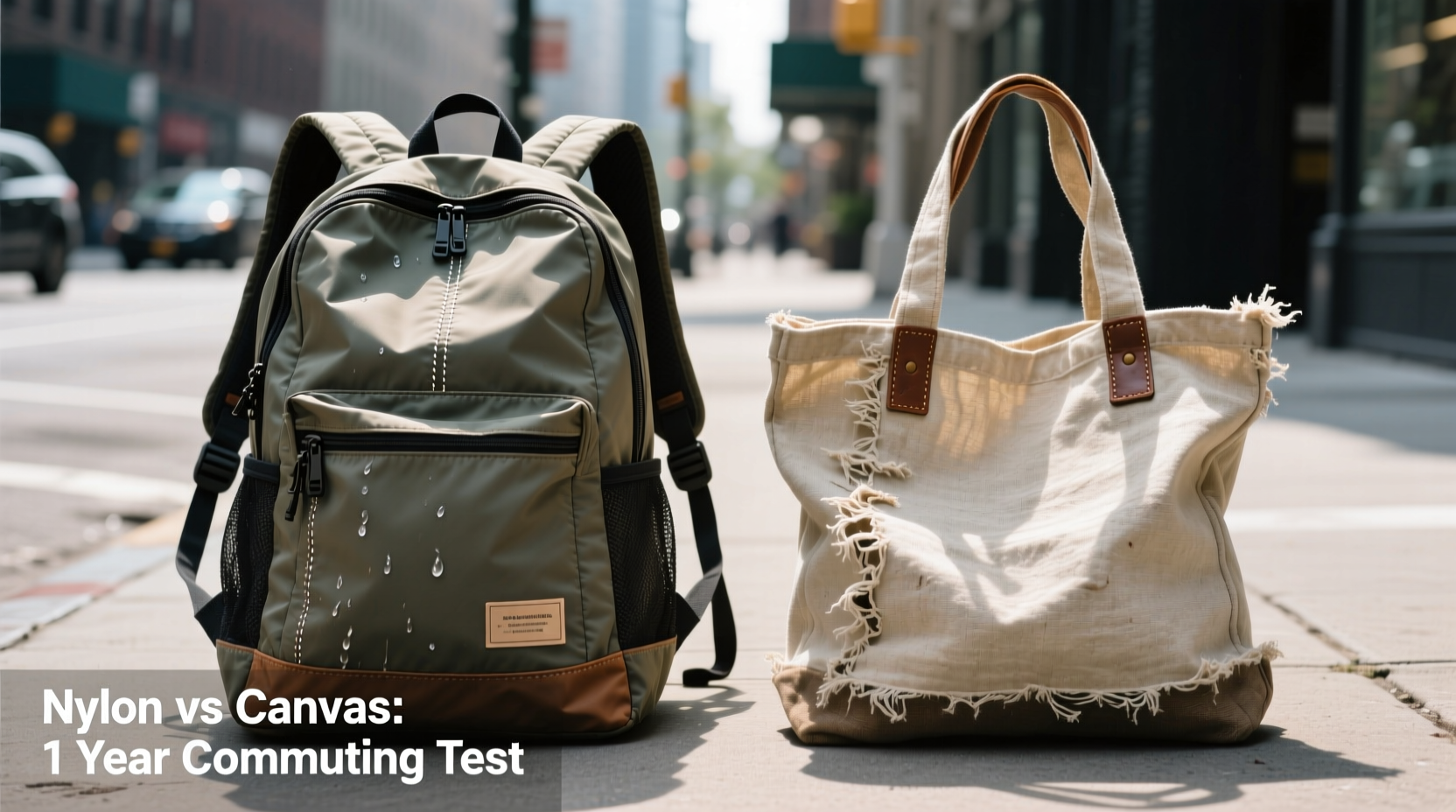
Nylon and canvas are both woven fabrics, but their origins and structural properties differ significantly. Nylon is a synthetic polymer, first developed in the 1930s as a durable alternative to silk. It’s lightweight, water-resistant, and highly resistant to abrasion. Canvas, on the other hand, is traditionally made from cotton (though some blends include polyester), offering a heavier, more rigid fabric with a natural texture.
When subjected to daily friction—like rubbing against bike seats, being stuffed into overhead bins, or dragging across pavement—nylon demonstrates superior resistance to scuffing and fraying. Its tightly woven fibers don’t easily snag, and even after hundreds of uses, nylon backpacks maintain their shape and integrity. Canvas, while strong initially, begins to show wear at stress points such as strap attachments and bottom corners. Over time, repeated folding and loading can lead to micro-tears, especially if the weave is loose or untreated.
One major factor in long-term durability is moisture resistance. Nylon naturally repels water, allowing rain or spills to bead off its surface without soaking in. This reduces the risk of mold, mildew, and fiber degradation. Canvas, unless treated with a protective coating, absorbs moisture readily. A wet canvas tote left in a damp closet overnight can develop odors, weaken fibers, and promote mildew growth—all of which shorten its usable life.
Maintenance Requirements and Longevity
A bag’s lifespan isn’t determined solely by its material—it’s also shaped by how easy it is to clean and maintain. Nylon backpacks are generally low-maintenance. Most can be wiped down with a damp cloth and mild soap. Some models are even machine-washable (on gentle cycles), though straps and padding should be air-dried to prevent warping.
Canvas totes require more careful handling. Spot cleaning is recommended, as machine washing can cause shrinkage, color bleeding, or stiffness due to residual detergent. Untreated cotton canvas may lose softness after repeated washes, becoming brittle over time. Even waxed canvas, which offers improved water resistance, requires periodic reapplication of wax to maintain protection—a process that demands time and effort most commuters aren’t willing to invest.
Stains also affect the two materials differently. Nylon resists most spills and ink marks, especially if cleaned promptly. Canvas, particularly light-colored varieties, shows every coffee splash or dirt transfer. Once stained, these blemishes are difficult to remove completely, leading many users to retire the bag prematurely despite structural soundness.
“Consistent care and proper storage can double a bag’s lifespan.” — Emma Clarke, Fashion Care Expert
Structural Integrity Under Load
Commuting means carrying weight—laptops, notebooks, lunch containers, chargers, and more. How a bag handles this load over time is critical to its long-term viability.
Nylon backpacks are typically engineered with ergonomics in mind. Padded shoulder straps, reinforced stitching, and structured compartments distribute weight evenly across the back, reducing strain and preventing deformation. High-denier nylon (e.g., 600D or 1000D) is specifically designed for heavy-duty use, commonly found in military-grade gear and outdoor equipment.
Canvas totes, while capable of holding substantial weight in the short term, suffer from design limitations. Most lack internal support, relying solely on fabric strength and simple stitching. When overloaded, the handles often stretch or detach from the body. The flat base common in tote designs increases pressure on the bottom seams, which can split after months of heavy use. Unlike backpacks, totes concentrate weight on the shoulders or arms, accelerating fatigue in both user and material.
| Feature | Nylon Backpack | Canvas Tote |
|---|---|---|
| Tensile Strength | High (resists stretching) | Moderate (prone to sagging) |
| Water Resistance | Natural repellency | Requires treatment |
| Weight Distribution | Even (dual straps) | Poor (single or dual top handles) |
| Common Failure Points | Zippers, buckles | Handles, bottom seams |
| Average Lifespan (Daily Use) | 5–7 years | 2–4 years |
Real-World Performance: A Commuter’s Experience
Consider the case of Daniel, a software developer in Seattle who commuted 300 days a year—half by bike, half by bus. He started with a premium canvas tote, drawn to its minimalist look and eco-friendly branding. Within six months, the leather-trimmed handles began peeling, and the base showed permanent water stains from frequent drizzle. By month ten, a seam near the handle gave way during rush hour, spilling his laptop onto the sidewalk. Though the device survived, he replaced the tote immediately.
His next purchase was a 900D nylon backpack with padded compartments and weather-flap zippers. Now in its fourth year, the bag shows minor scuffing but no structural issues. He wipes it down quarterly, stores it in a dry closet, and has never experienced a failure. “I didn’t expect it to last this long,” he said. “But I’m glad I switched. The nylon handles rain, drops, and packed trains without flinching.”
Daniel’s experience reflects broader trends among urban commuters. In high-moisture, high-traffic environments, synthetic materials consistently outperform natural textiles in terms of functional longevity—even when the latter start with higher price tags or artisanal appeal.
Care Tips to Maximize Bag Longevity
No matter which material you choose, proper care dramatically extends service life. Here’s a step-by-step guide to maintaining your daily carry:
- Empty and inspect weekly: Remove all contents and check for loose threads, weak seams, or trapped moisture.
- Clean surfaces regularly: Use a microfiber cloth and mild detergent solution for spot cleaning. Avoid bleach or abrasive cleaners.
- Air out after use: Leave zippers open and compartments unclipped overnight to prevent odor buildup and mildew.
- Rotate bags seasonally: Using multiple bags reduces wear on any single one and allows time for deep cleaning.
- Store properly: Keep in a cool, dry place away from direct sunlight. Use stuffing (tissue paper or soft clothes) to maintain shape.
Environmental and Ethical Considerations
While nylon wins in durability, it’s worth noting its environmental footprint. As a petroleum-based product, nylon is not biodegradable and contributes to microplastic pollution when washed. However, many manufacturers now use recycled nylon (e.g., ECONYL®) sourced from fishing nets and industrial waste, reducing ecological impact without sacrificing performance.
Canvas, particularly organic cotton canvas, is more biodegradable and often perceived as eco-friendly. But cotton farming is water-intensive and may involve pesticides unless certified organic. Additionally, shorter lifespans mean more frequent replacements, increasing overall resource consumption. A bag that lasts seven years generates less waste than three canvas totes replaced every two years.
The most sustainable choice isn’t always the “natural” one—it’s the one that stays functional longest with minimal upkeep. From this perspective, a high-quality recycled nylon backpack often represents the greener option over time.
Choosing Based on Your Commute Style
Your ideal bag depends on your specific routine. Evaluate these factors:
- Weather exposure: Frequent rain or snow favors nylon.
- Transport method: Biking, walking, or crowded transit benefit from secure, hands-free backpacks.
- Carry load: Laptops, books, or gym clothes need structured support—backpacks excel here.
- Style preference: Totes offer a professional or casual look; backpacks are increasingly accepted in offices.
If your commute involves variable conditions, a nylon backpack provides consistent reliability. For light loads and dry climates, a well-made canvas tote can serve adequately—but expect to replace it sooner.
Frequently Asked Questions
Can canvas totes be made more durable?
Yes. Waxed canvas improves water resistance and abrasion tolerance. Reinforced stitching, leather trim, and structured bases also enhance durability. However, even upgraded canvas rarely matches the tensile strength of high-denier nylon.
Do nylon backpacks yellow over time?
Some lower-quality nylon may discolor due to UV exposure or chemical reactions (e.g., from sweat or detergents). Premium nylon with UV inhibitors resists yellowing. Storing the bag away from sunlight minimizes this risk.
Is a hybrid option available?
Yes. Some brands combine materials—nylon bodies with canvas accents or vice versa. These hybrids aim to balance aesthetics and function, but the dominant material usually determines long-term performance. Prioritize nylon in high-stress areas like the base and straps.
Final Verdict: Which Holds Up Better Long Term?
For daily commuting, the nylon backpack is the clear winner in long-term durability. Its resistance to water, abrasion, and structural fatigue surpasses that of canvas totes, even high-end ones. While canvas offers a classic aesthetic and biodegradability, its susceptibility to moisture damage, staining, and seam failure limits its lifespan under regular use.
Nylon’s engineering advantages—lightweight strength, weather resistance, and ergonomic design—make it better suited to the unpredictable demands of urban transit. With basic care, a quality nylon backpack can remain functional and presentable for five to seven years or more. Canvas totes, meanwhile, typically need replacement within two to four years, especially under heavy or wet conditions.
That said, personal priorities matter. If you value craftsmanship, natural materials, and occasional use, a canvas tote remains a stylish choice. But if you’re looking for a dependable, long-lasting companion for your daily journey, the nylon backpack delivers unmatched resilience and practicality.




 浙公网安备
33010002000092号
浙公网安备
33010002000092号 浙B2-20120091-4
Comments
No comments yet. Why don't you start the discussion?