
In tropical regions, coastal cities, or any environment where humidity consistently exceeds 60%, moisture becomes a silent enemy of fabric-based luggage. Duffel bags, frequently used for travel, gym sessions, or outdoor adventures, are often exposed to damp conditions—whether from sweaty clothes, wet swimsuits, or storage in poorly ventilated spaces. When left unchecked, this moisture can lead to mold growth, an issue that not only compromises hygiene but also weakens fabric integrity over time. Among the most common materials used in duffel construction—nylon and polyester—there is a critical difference in how each responds to prolonged exposure to humidity. Understanding which material resists mold more effectively isn't just about durability; it's about health, longevity, and smart investment.
Understanding Mold Growth on Fabrics
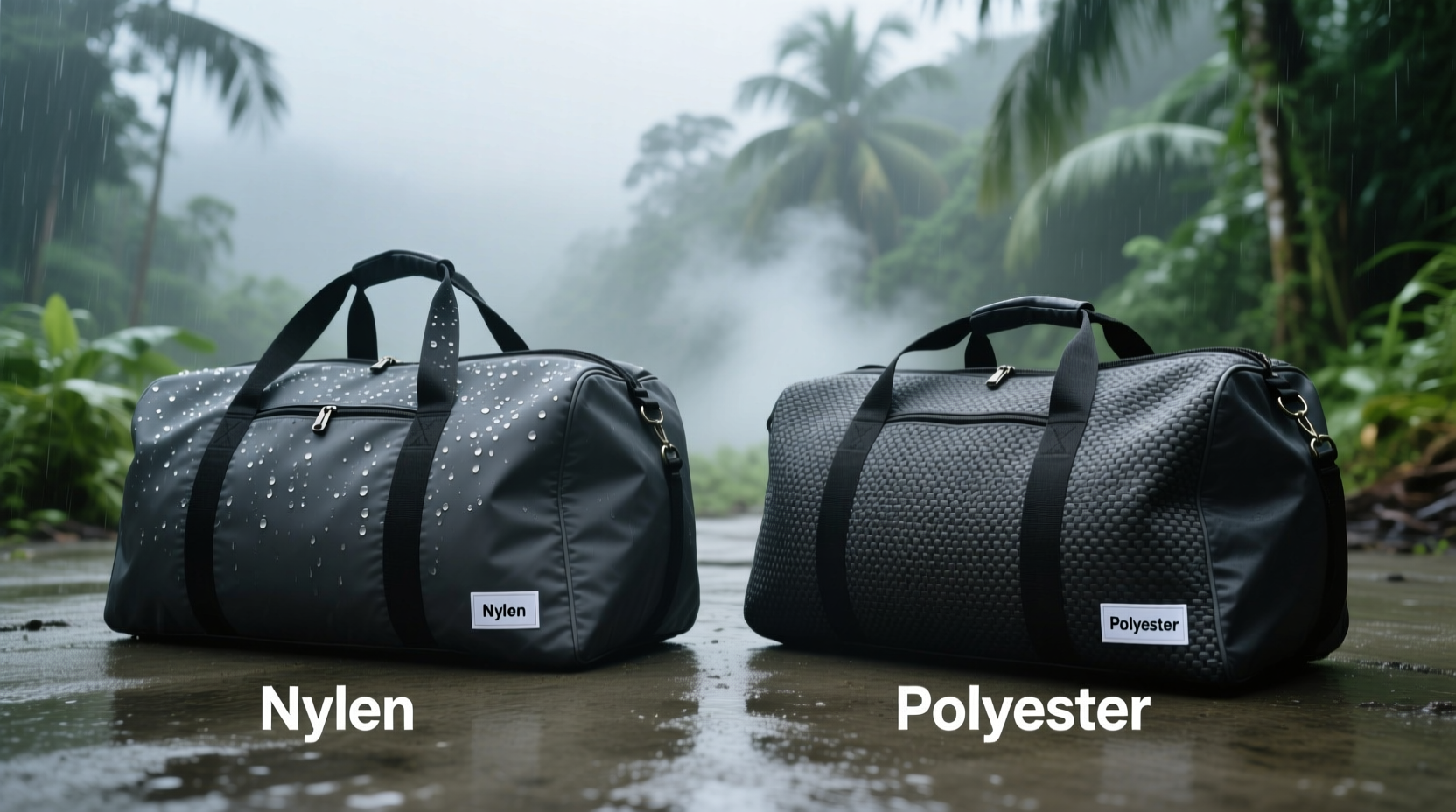
Mold thrives in warm, moist environments with organic matter to feed on. While synthetic fabrics like nylon and polyester aren’t organic themselves, they can still support mold growth when contaminated with dirt, sweat, oils, or other biological residues. The real vulnerability lies in the fabric’s ability to absorb and retain moisture, as well as its surface texture, which can either inhibit or encourage microbial colonization.
For a duffel bag stored in a garage in Miami, packed after a beach trip in Bali, or left in a damp basement in Singapore, the risk of mold increases dramatically if the material holds onto moisture. Even brief exposure can be problematic if followed by improper drying. This makes moisture-wicking capacity, breathability, and water resistance key factors in evaluating mold resistance.
“Mold doesn’t need much—a film of moisture and trace organics are enough. In high-humidity zones, the choice of luggage material directly impacts how quickly microbial growth takes hold.” — Dr. Lena Torres, Microbial Materials Scientist, Southeast Asia Institute of Textile Research
Nylon: Strengths and Moisture Vulnerabilities
Nylon is renowned for its toughness, abrasion resistance, and elasticity. First developed in the 1930s, it remains a top choice for performance gear due to its high tensile strength and flexibility. Many premium duffel bags use ballistic nylon or ripstop nylon for added durability, especially in rugged outdoor applications.
However, nylon has a significant drawback: it is hygroscopic, meaning it absorbs moisture from the air. Depending on the weave and coating, nylon can absorb up to 4% of its weight in water. This absorption happens even without direct contact with liquid—just from ambient humidity. Once damp, nylon retains moisture longer than many synthetics, creating a microenvironment conducive to mold spores.
While coated nylon (such as TPU-laminated or silicone-treated versions) improves water resistance, the base fiber remains vulnerable if the coating wears down or if the interior lining is uncoated. Additionally, nylon’s smooth surface can trap sweat and skin cells, providing nutrients for mold if not cleaned regularly.
Polyester: The Dry Advantage
Polyester, in contrast, is inherently hydrophobic. It does not absorb water easily—typically less than 0.4% of its weight—even under high humidity. This low moisture regain makes it far less hospitable to mold and mildew. Because the fibers don’t swell or soften when exposed to damp air, polyester maintains structural stability and dries quickly.
Most modern polyester duffels are made from high-density woven variants like 600D or 1200D polyester, often with PU (polyurethane) coatings on the inside to enhance water resistance. These coatings act as an additional barrier, preventing moisture penetration while allowing the fabric to remain lightweight and stiff enough to hold shape.
Importantly, polyester’s quick-drying nature means that even if the bag gets wet—say, from a spilled drink or ocean spray—it can be wiped down and dried within hours, drastically reducing the window for mold development. This trait makes polyester particularly suitable for travelers in Southeast Asia, the Caribbean, or the Pacific Northwest, where damp conditions are routine.
Comparative Analysis: Nylon vs Polyester in Humid Conditions
| Property | Nylon | Polyester |
|---|---|---|
| Moisture Absorption | High (up to 4%) | Low (less than 0.4%) |
| Drying Time | Slow to moderate | Fast |
| Mold Resistance | Moderate (requires treatment/coating) | High (naturally resistant) |
| Tensile Strength | Excellent | Good |
| UV Resistance | Fair (degrades faster in sunlight) | Excellent |
| Cost Efficiency | Higher cost for comparable weight | More affordable at scale |
The data clearly shows that while nylon outperforms polyester in raw strength and elasticity, polyester excels in environmental resilience—especially against moisture and mold. For users in humid climates, this advantage is decisive. A polyester duffel may not feel as supple as nylon, but it will likely remain cleaner, drier, and free of microbial growth with minimal maintenance.
Real-World Scenario: Two Bags in Manila
Consider two travelers returning from a week-long island-hopping tour in the Philippines. Both use duffel bags—one nylon, one polyester—to carry swimwear, towels, and snorkeling gear. Each day, the bags are loaded with damp clothing and stored overnight in a hotel room with poor ventilation and 85% relative humidity.
After five days, both bags are transported home and placed in a closet without airing out. Three weeks later, the owner of the nylon bag notices a musty odor and discovers black speckles along the seams and lining. Upon inspection, lab testing confirms *Aspergillus niger*, a common indoor mold. The polyester bag, meanwhile, shows no visible signs of contamination. When wiped with a damp cloth and briefly aired outside, it remains clean and odor-free.
This scenario illustrates how material choice compounds over time. The nylon bag absorbed ambient moisture daily, creating a cumulative dampness that encouraged mold. The polyester bag resisted absorption, limited microbial adhesion, and remained inert despite identical usage patterns.
Step-by-Step Guide to Preventing Mold in Any Duffel Bag
Even the best materials require proper care. Follow this timeline to minimize mold risk regardless of fabric type:
- Immediately After Use: Empty all contents and inspect for damp items. Remove any wet clothing, towels, or footwear.
- Surface Wipe Down: Use a clean, dry microfiber cloth to wipe the interior and exterior. For stains or residue, use a mild soap solution (1 tsp dish soap per cup of water).
- Air Dry Completely: Open the bag fully and place it in a dry, shaded area with good airflow. Avoid direct sunlight, which can degrade coatings and fade colors. Allow at least 24 hours for thorough drying.
- Deodorize Naturally: Sprinkle baking soda inside the bag, let sit for 30 minutes, then vacuum or shake out. This removes residual moisture and neutralizes odors.
- Storage Preparation: Store the bag in a breathable cotton dust bag or open shelf. Never use plastic bins or sealed containers, which trap moisture.
- Monthly Check-Up: In humid seasons, inspect stored bags monthly for early signs of mustiness or discoloration.
Enhancing Mold Resistance Through Design and Treatment
Material isn’t the only factor. Modern duffel bags incorporate design features that amplify mold resistance:
- Seam Sealing: Taped or welded seams prevent water ingress and reduce hidden pockets where moisture can accumulate.
- Antimicrobial Linings: Some brands treat interior linings with silver-ion or triclosan-based coatings that inhibit bacterial and fungal growth.
- Mesh Ventilation Panels: Strategically placed breathable zones improve air circulation during storage or transport.
- Removable Inserts: Washable foam or fabric inserts allow deep cleaning without damaging the main structure.
Additionally, aftermarket treatments can boost protection. Fabric sprays containing antimicrobial agents (e.g., MicroShield or RepelCare) can be applied every 3–6 months to create a protective barrier. However, these should complement—not replace—proper drying practices.
Checklist: Choosing a Mold-Resistant Duffel for Humid Climates
Before purchasing, verify the following:
- ✅ Primary material is high-denier polyester (600D or higher)
- ✅ Interior has PU or TPU coating
- ✅ Features drainage eyelets or ventilation zones
- ✅ Lining is light-colored (easier to spot early mold)
- ✅ Manufacturer specifies mold/mildew resistance
- ✅ Zippers are water-resistant or covered by storm flaps
- ✅ Comes with care instructions for humid environments
Frequently Asked Questions
Can I wash a moldy duffel bag and save it?
Yes, in early stages. Mix one part white vinegar with three parts water, apply to affected areas with a soft brush, then rinse with a damp cloth. Air dry for 48 hours in direct airflow. For severe infestations, especially if mold has penetrated stitching, replacement is safer due to health risks from spore inhalation.
Does color affect mold visibility or growth?
Color doesn’t influence mold development, but dark-colored bags make early detection harder. Light gray, beige, or navy interiors help spot discoloration before it spreads.
Is recycled polyester as mold-resistant as virgin polyester?
Yes. The chemical structure of PET (polyethylene terephthalate) remains unchanged in recycled forms. As long as the fabric density and coating are equivalent, mold resistance is preserved—and sustainability improves.
Conclusion: Prioritize Dryness, Choose Polyester
When comparing nylon and polyester duffel bags for mold resistance in humid climates, polyester emerges as the superior choice. Its inherent hydrophobic nature, rapid drying time, and resistance to microbial degradation make it ideally suited for environments where moisture is unavoidable. While nylon offers unmatched durability in mechanical stress scenarios, its tendency to absorb and retain water undermines its long-term performance in tropical or coastal settings.
The decision isn’t merely about material—it’s about aligning your gear with your environment. By choosing a well-constructed polyester duffel and following disciplined drying and storage habits, you significantly reduce the risk of mold, extend the life of your bag, and maintain a cleaner, healthier travel routine.




 浙公网安备
33010002000092号
浙公网安备
33010002000092号 浙B2-20120091-4
Comments
No comments yet. Why don't you start the discussion?