
Oakland, California, has long grappled with elevated crime rates, particularly in violent offenses such as homicides and robberies. While the city boasts a vibrant culture, diverse communities, and strong economic potential, public safety remains a pressing concern for residents and policymakers alike. The reasons behind Oakland’s persistent crime challenges are complex, rooted in decades of socioeconomic inequality, systemic disinvestment, and strained law enforcement capacity. At the same time, innovative community-led programs and new policing strategies are emerging as part of a broader effort to reverse the trend.
Economic Inequality and Historical Disinvestment
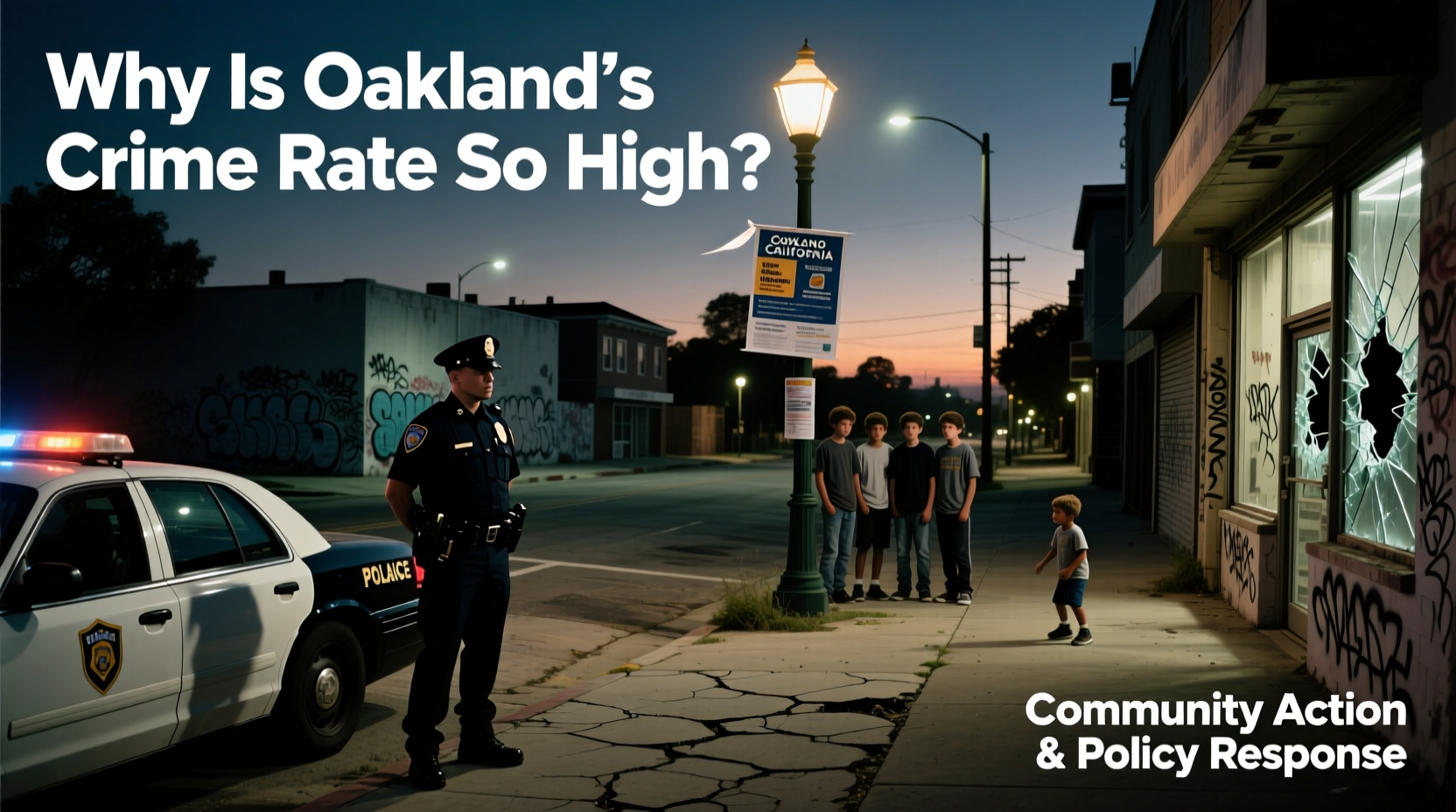
One of the most significant drivers of crime in Oakland is economic disparity. Nearly 15% of Oakland residents live below the federal poverty line, with some neighborhoods—such as East Oakland—experiencing poverty rates exceeding 20%. These areas have historically faced underfunded schools, limited job opportunities, and inadequate access to healthcare and mental health services.
Decades of redlining and discriminatory housing policies concentrated poverty in specific parts of the city, creating environments where illicit economies can thrive. When legal pathways to financial stability are scarce, some individuals turn to illegal activities out of necessity or lack of alternatives.
“Crime doesn’t happen in a vacuum. It’s a symptom of deeper structural failures—lack of investment in education, jobs, and trauma support.” — Dr. Angela Martinez, Urban Sociologist, UC Berkeley
Gang Activity and Firearm Proliferation
Gangs remain a key factor in Oakland’s violent crime landscape. Although gang membership has declined since its peak in the 1990s, territorial disputes and retaliation cycles still fuel shootings and homicides. According to the Oakland Police Department, over 70% of homicides in recent years have been gang-related or involved known associates.
Equally concerning is the widespread availability of firearms. Despite strict gun laws in California, illegal weapons flow into Oakland from states with looser regulations. Many guns used in crimes are purchased legally elsewhere and trafficked across state lines.
The lethality of these weapons amplifies violence. Between 2020 and 2023, Oakland saw a spike in firearm assaults, with non-fatal shootings increasing by nearly 40% compared to pre-pandemic levels.
Police Capacity and Public Trust Challenges
Law enforcement in Oakland faces operational hurdles. The Oakland Police Department (OPD) has struggled with staffing shortages for years. In 2023, OPD had approximately 650 sworn officers—far below the recommended level for a city of its size. This deficit limits proactive patrols, response times, and investigative follow-up.
Historically, incidents of police misconduct—including the 2003 Riders scandal—eroded community trust, particularly in Black and Latino neighborhoods. Without strong cooperation between residents and police, solving crimes becomes more difficult. Low clearance rates for violent crimes (often below 50%) further discourage reporting and embolden offenders.
| Year | Homicides | Clearance Rate | Sworn Officers |
|---|---|---|---|
| 2019 | 84 | 58% | 740 |
| 2021 | 124 | 47% | 680 |
| 2023 | 96 | 49% | 650 |
The fluctuating officer count reflects recruitment and retention issues, including competition with higher-paying Bay Area departments and internal reform mandates stemming from the department’s federal oversight, which ended in 2023 after 19 years.
Community-Led Violence Prevention Programs
In response to systemic gaps, Oakland has become a national model for community-based intervention strategies. One standout initiative is Operation Peacemaker Fellowship, which identifies individuals at highest risk of committing or becoming victims of gun violence and pairs them with mentors, job training, and social services.
A 2022 evaluation by the National Institute of Justice found that participants were 50% less likely to be arrested for a violent crime within two years of joining the program. Similar efforts like Cause & Effect and Youth ALIVE! focus on hospital-based interventions and youth outreach to interrupt cycles of retaliation.
“We don’t need more incarceration—we need more intervention. We save lives by offering people a way out before tragedy strikes.” — Devone Boggan, Former Director, Operation Peacemaker Fellowship
What You Can Do: Community Action Checklist
- Support local nonprofits focused on youth mentorship and job training
- Attend neighborhood safety meetings (NNOs)
- Report suspicious activity through anonymous tip lines
- Advocate for city funding of violence prevention programs
- Volunteer with restorative justice organizations
City and Law Enforcement Strategies Underway
While community efforts are vital, city leadership and law enforcement are also adapting. In 2022, Oakland launched the Violence Reduction Strategy, combining targeted policing with social services. The plan emphasizes “focused deterrence,” where known offenders are directly warned that continued violence will result in swift consequences—but are simultaneously offered support services.
Additionally, the city has invested in technology:
- Expansion of the Domain Awareness Center (DAC), integrating surveillance cameras and gunshot detection systems
- Data-driven deployment of officers to high-crime hotspots
- Partnerships with regional task forces to combat gun trafficking
However, these tools raise privacy concerns. Civil liberties groups caution against over-surveillance in marginalized communities. The city now includes community oversight in DAC operations to ensure accountability.
Step-by-Step: How Oakland’s Violence Intervention Works
- Identify individuals at highest risk using data and community input
- Engage them through trusted outreach workers (often former gang members)
- Offer immediate incentives: stipends, housing assistance, GED programs
- Connect them to long-term employment and mental health resources
- Monitor progress and adjust support as needed
Mini Case Study: Turning Point in East Oakland
In 2021, a block in East Oakland’s 74th Avenue corridor recorded three homicides within six weeks. Local leaders responded by activating a rapid intervention team. Outreach workers engaged known individuals in the conflict, mediated disputes, and connected families to trauma counseling.
Simultaneously, police increased foot patrols while avoiding mass stops that could escalate tensions. Within four months, violent incidents on that block dropped to zero. Follow-up support included a pop-up job fair and a mural project led by youth. Two years later, the area remains stable—a testament to balanced, coordinated action.
Frequently Asked Questions
Is Oakland getting safer?
The trend is mixed. Homicides peaked in 2021 but declined in 2022 and 2023. Property crime has risen slightly, mirroring national trends. Overall, Oakland remains above the national average for violent crime, but certain neighborhoods show meaningful improvement due to targeted efforts.
Why don’t more people report crimes?
Barriers include fear of retaliation, distrust in police, language differences, and immigration concerns. Many believe reporting won’t lead to an arrest. Community programs are working to rebuild trust by ensuring confidentiality and connecting victims to support services.
Are new police recruits making a difference?
Yes, but slowly. Oakland has increased hiring incentives and streamlined academy training. However, it takes time for new officers to build community relationships and gain investigative experience. Retention remains a challenge due to workload and burnout.
Conclusion: A Path Forward Through Collaboration
Oakland’s high crime rate stems from deep-rooted issues that cannot be solved by policing alone. Economic exclusion, gun violence, and institutional mistrust require multifaceted solutions—ones that blend enforcement with compassion, data with humanity. The city’s most promising advances come not from top-down mandates, but from grassroots leadership and sustained investment in people.
Residents, community organizations, city officials, and law enforcement must continue working together. Supporting proven intervention models, holding institutions accountable, and expanding opportunity pipelines are essential steps. Crime reduction isn’t just about statistics—it’s about restoring dignity, safety, and hope block by block.




 浙公网安备
33010002000092号
浙公网安备
33010002000092号 浙B2-20120091-4
Comments
No comments yet. Why don't you start the discussion?