
The Onion Network—commonly known through its primary implementation, Tor (The Onion Router)—is a decentralized network designed to enable anonymous communication over the internet. While often associated with illicit marketplaces due to media portrayal, the network itself is a legitimate tool for privacy-conscious users, journalists, activists, and professionals operating in high-surveillance environments. Understanding how to safely navigate and make purchases on the Onion Network is essential for anyone seeking digital autonomy without compromising personal security. This guide provides a detailed, practical framework for secure transactions, risk mitigation, and responsible usage.
Definition & Overview
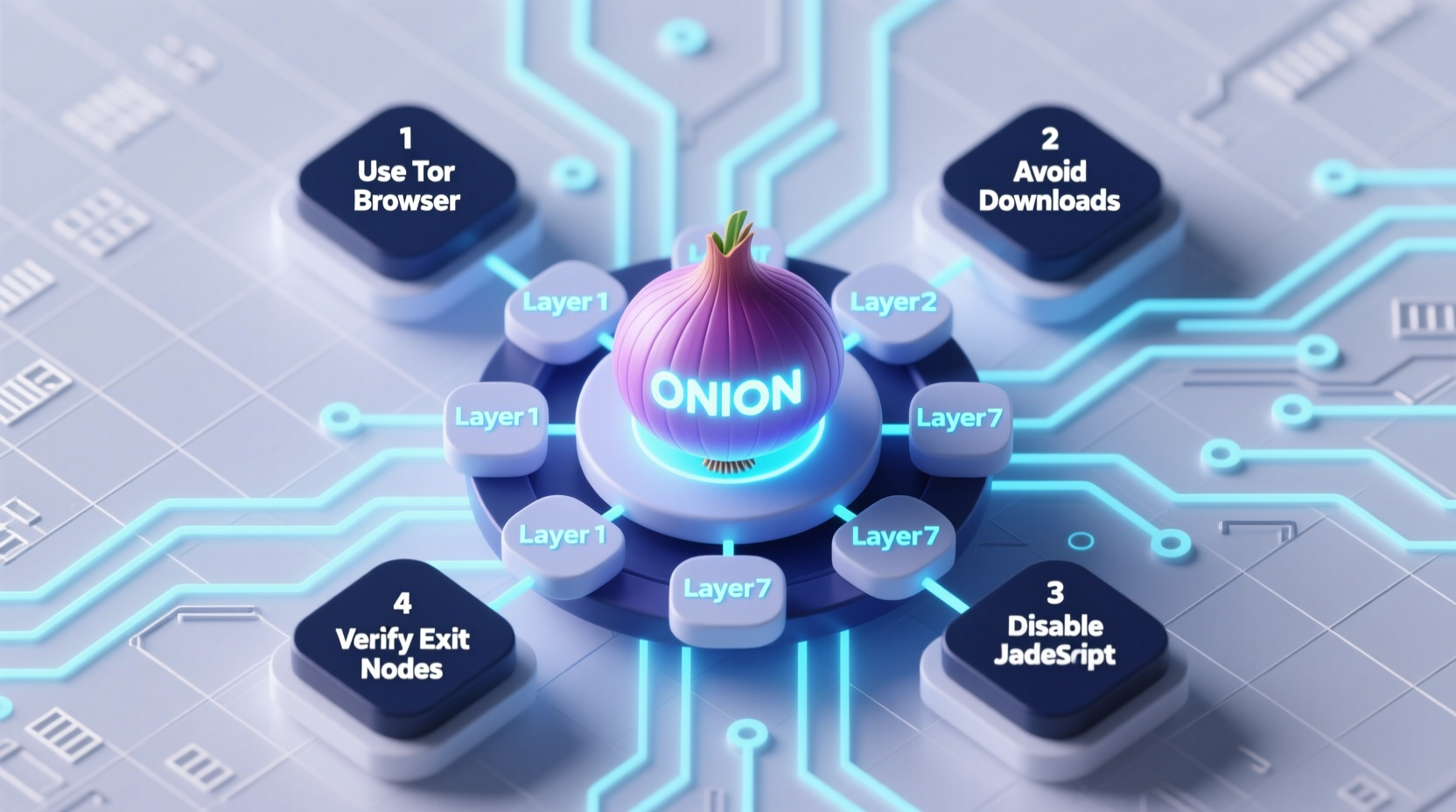
The Onion Network refers to a layered routing protocol that encrypts data multiple times and routes it through a series of volunteer-operated servers, or \"nodes,\" before reaching its destination. Each layer of encryption is peeled off at each node—hence the term \"onion\"—concealing both the user’s identity and their intended endpoint. The most widely used access point to this network is the Tor Browser, which allows users to visit websites hosted on the .onion domain space. These sites are not indexed by traditional search engines and require specific tools to access.
While the network supports a wide range of legal activities—including private web browsing, whistleblowing platforms, and censorship circumvention—it has also become a marketplace ecosystem where goods and services are exchanged. Purchases can range from digital products like software and documents to physical items such as books, clothing, and collectibles. However, due to the pseudonymous nature of these transactions, buyers must exercise extreme caution regarding trust, payment methods, and operational security.
Key Characteristics
- Anonymity: Traffic is encrypted and routed through at least three nodes (guard, middle, exit), masking IP addresses and location data.
- Decentralization: No central authority governs the network; infrastructure relies on global volunteers.
- .onion Domains: Websites exist only within the Tor network and cannot be accessed via standard browsers.
- Pseudonymous Transactions: Payments typically occur using cryptocurrencies like Bitcoin or Monero to preserve buyer anonymity.
- No Inherent Legality: The network itself is neutral; legality depends on user behavior and jurisdiction.
- Slower Speeds: Due to multi-hop encryption, browsing and downloads are significantly slower than clearnet equivalents.
- Censorship Resistance: Designed to operate in regions with heavy internet surveillance or filtering.
Practical Usage: How to Make Secure Purchases
Making a purchase on the Onion Network involves more than simply selecting an item and clicking “buy.” Every step—from initial research to post-transaction hygiene—must be approached with deliberate security practices. Below is a structured workflow for conducting safe and informed transactions.
- Use Updated, Verified Tools: Download the official Tor Browser only from
https://www.torproject.org. Avoid third-party mirrors or modified versions that may contain malware. - Enable Security Settings: Within the Tor Browser, set the security level to \"Safest\" (via the shield icon). This disables JavaScript, mitigates fingerprinting risks, and blocks many exploit vectors.
- Verify Site Authenticity: Many .onion sites have public keys, PGP signatures, or community-maintained links on forums like Reddit (e.g., r/DarkNetMarketsNoobs) or dedicated wikis. Cross-reference URLs carefully—typosquatting is common.
- Research Vendors Thoroughly: Read reviews, check feedback scores, and assess vendor history. Look for consistent shipping times, discreet packaging, and responsive customer service.
- Use Cryptocurrency Safely: Prefer privacy-focused coins like Monero (XMR) over traceable ones like Bitcoin (BTC). If using BTC, employ coin mixing services or fresh wallets per transaction to reduce linkage risk.
- Never Reuse Addresses: Generate a new cryptocurrency receiving address for every purchase to prevent clustering analysis.
- Avoid Personal Information: Do not provide real names, email addresses, or identifiable delivery notes unless absolutely necessary. Use pseudonyms and burner accounts when communicating.
- Secure Delivery Practices: Choose stealth shipping options if available. Have packages sent to neutral locations (e.g., PO boxes, trusted friends) rather than home addresses.
- Post-Purchase Hygiene: Clear browser history after sessions, avoid accessing purchased content on devices linked to your identity, and never discuss transactions online.
TIP: Always assume that adversaries—including state actors—may be monitoring parts of the network. Your best defense is minimizing metadata exposure: disable plugins, avoid logging into personal accounts while using Tor, and never download files unless scanned in an isolated environment.
Variants & Types of Onion Services
Not all .onion services are created equal. They vary by purpose, technical configuration, and trust model. Understanding these distinctions helps users identify appropriate platforms for different needs.
| Type | Description | Common Use Cases | Security Considerations |
|---|---|---|---|
| Clearnet Mirrors | Official sites (e.g., ProPublica, The New York Times) offering .onion versions for secure access. | Reading news anonymously, bypassing regional blocks. | High trust; operated by verified organizations. |
| Whistleblowing Platforms | Secure drop systems for submitting sensitive information. | Journalistic leaks, corporate reporting. | End-to-end encrypted; no account required. |
| Marketplaces | Vendor-hosted stores selling digital or physical goods. | Purchasing software, guides, or collectibles. | Variable trust; requires vetting and escrow awareness. |
| Forums & Communities | Discussion boards for advice, support, and updates. | Learning best practices, checking site status. | Prone to misinformation; verify claims independently. |
| Private Hosting Services | Individual-run blogs, file repositories, or chat servers. | Anonymous publishing, sharing restricted knowledge. | Trust based on reputation; potential for honeypots. |
When engaging with any variant, prioritize services that publish cryptographic fingerprints, maintain transparency about downtime, and encourage community verification. Avoid sites demanding upfront payments without escrow or dispute resolution mechanisms.
Comparison with Similar Technologies
The Onion Network is often conflated with other privacy tools, but key differences exist in design, function, and threat model.
| Feature | Onion Network (Tor) | VPN | I2P | Traditional Web Proxy |
|---|---|---|---|---|
| Encryption Layers | Multi-layer (3+ hops) | Single tunnel (end-to-end) | Double encryption (garlic routing) | None or minimal |
| Server Ownership | Volunteer-run nodes | Commercial providers | Private peer network | Third-party servers |
| User Anonymity | High (bidirectional concealment) | Moderate (provider knows identity) | High (within I2P network) | Low (logs often kept) |
| Access to .onion Sites | Yes | No | Limited (with bridges) | No |
| Speed | Slow | Fast | Moderate | Fast |
| Best For | Anonymous browsing, secure messaging, dark web access | Geo-unblocking, basic privacy from ISPs | Internal network communication, file sharing | Casual bypassing of filters |
\"Tor doesn’t make you anonymous by default—it makes anonymity possible if used correctly.\" — Dr. Steven Murdoch, former University College London researcher and Tor contributor.
This quote underscores a critical principle: the technology enables privacy, but user behavior determines actual security. A misstep—such as enabling scripts or reusing identifiers—can unravel protections built into the system.
Practical Tips & FAQs
Q: Is it legal to use the Onion Network?
A: Yes, in most countries. Using Tor is legal in the United States, Canada, the European Union, and many other jurisdictions. However, certain nations—including China, Russia, and Iran—restrict or block access. Always check local laws before downloading or connecting.
Q: Can I get hacked just by browsing .onion sites?
A: Risk exists, particularly on malicious or compromised sites. Drive-by downloads are rare due to Tor Browser hardening, but outdated software or enabled plugins increase vulnerability. Keep the browser updated and avoid installing add-ons.
Q: What’s the safest cryptocurrency for onion network purchases?
A: Monero (XMR) offers superior privacy through ring signatures and stealth addresses, making transactions untraceable. Bitcoin (BTC), while widely accepted, leaves a public ledger trail that can be analyzed. If using BTC, combine it with a mixer and fresh wallet addresses.
Q: How do I know if a marketplace is a scam?
A: Warning signs include:
– No vendor feedback system
– Pressure to conduct off-platform trades
– Lack of PGP-signed announcements
– Unrealistically low prices
– Absence from reputable community watchlists
Always test with small transactions first and use multisig escrow when available.
Q: Can law enforcement track me on Tor?
A: It is extremely difficult but not impossible. Tracking typically requires exploiting endpoint weaknesses (e.g., malware on your device), traffic correlation attacks (monitoring entry and exit nodes simultaneously), or human error (logging into personal accounts). Strong opsec reduces these risks dramatically.
Q: Should I use a VPN with Tor?
A: Only in specific configurations. The recommended setup is VPN → Tor (Tor over VPN), which hides Tor usage from your ISP but places trust in the VPN provider. Avoid Tor → VPN, as it exposes your real IP to the exit node. For maximum anonymity, use Tor alone with strong browser settings.
Q: How long should I wait for a package?
A: Delivery times vary by region and shipping method. Domestic shipments may take 3–7 days; international deliveries can take 2–6 weeks. Stealth packaging and customs avoidance tactics help reduce seizure risk. Never expedite shipping—it increases detection likelihood.
Checklist: Pre-Purchase Security Audit
☐ Tor Browser updated to latest version
☐ Security slider set to \"Safest\"
☐ JavaScript disabled
☐ Cryptocurrency wallet funded and ready
☐ New receiving address generated
☐ Vendor reviewed across multiple sources
☐ Communication channel verified (e.g., PGP key matched)
☐ Delivery address neutral and unlinked to identity
☐ Device free of keyloggers or remote access tools
Summary & Key Takeaways
The Onion Network remains one of the most powerful tools available for preserving digital privacy and enabling uncensored communication. When used responsibly, it allows individuals to explore, communicate, and transact beyond the reach of surveillance and control. However, its strengths are contingent upon disciplined operational security and informed decision-making.
To summarize:
- The Onion Network uses layered encryption and distributed relays to anonymize traffic.
- Purchasing on .onion sites requires careful vendor vetting, cryptocurrency best practices, and attention to delivery logistics.
- Monero is preferred over Bitcoin for truly private transactions.
- Different types of onion services serve distinct purposes—know what you’re accessing and why.
- Tor differs significantly from VPNs and proxies in architecture and threat protection.
- User behavior is the weakest link; even minor mistakes can compromise anonymity.
As digital privacy becomes increasingly contested, mastering tools like the Onion Network empowers individuals to reclaim agency over their online presence. Whether for journalistic integrity, personal freedom, or secure commerce, understanding how to navigate this space safely is not just beneficial—it’s essential.
Final Advice: Treat every interaction on the Onion Network as potentially observable. Assume nothing is foolproof. Stay informed, question assumptions, and continuously refine your security posture. The goal isn't perfection—it's resilience.




 浙公网安备
33010002000092号
浙公网安备
33010002000092号 浙B2-20120091-4
Comments
No comments yet. Why don't you start the discussion?