
The open world genre continues to redefine what players expect from immersive digital experiences. In 2025, game developers have pushed boundaries with richer ecosystems, deeper narratives, and seamless integration of AI-driven environments. As a result, several titles have emerged as dominant forces in terms of player engagement, session length, and community growth. These games aren’t just popular—they’re shaping how we interact with virtual worlds.
Driven by advancements in procedural generation, real-time weather systems, and dynamic storytelling, the top open world games of 2025 offer more than exploration; they deliver evolving universes that respond to player choices. From sprawling fantasy realms to hyper-realistic post-apocalyptic zones, these titles command attention not only for their scale but also for their ability to sustain long-term interest through updates, multiplayer integration, and emergent gameplay.
1. The Rise of Persistent Open Worlds
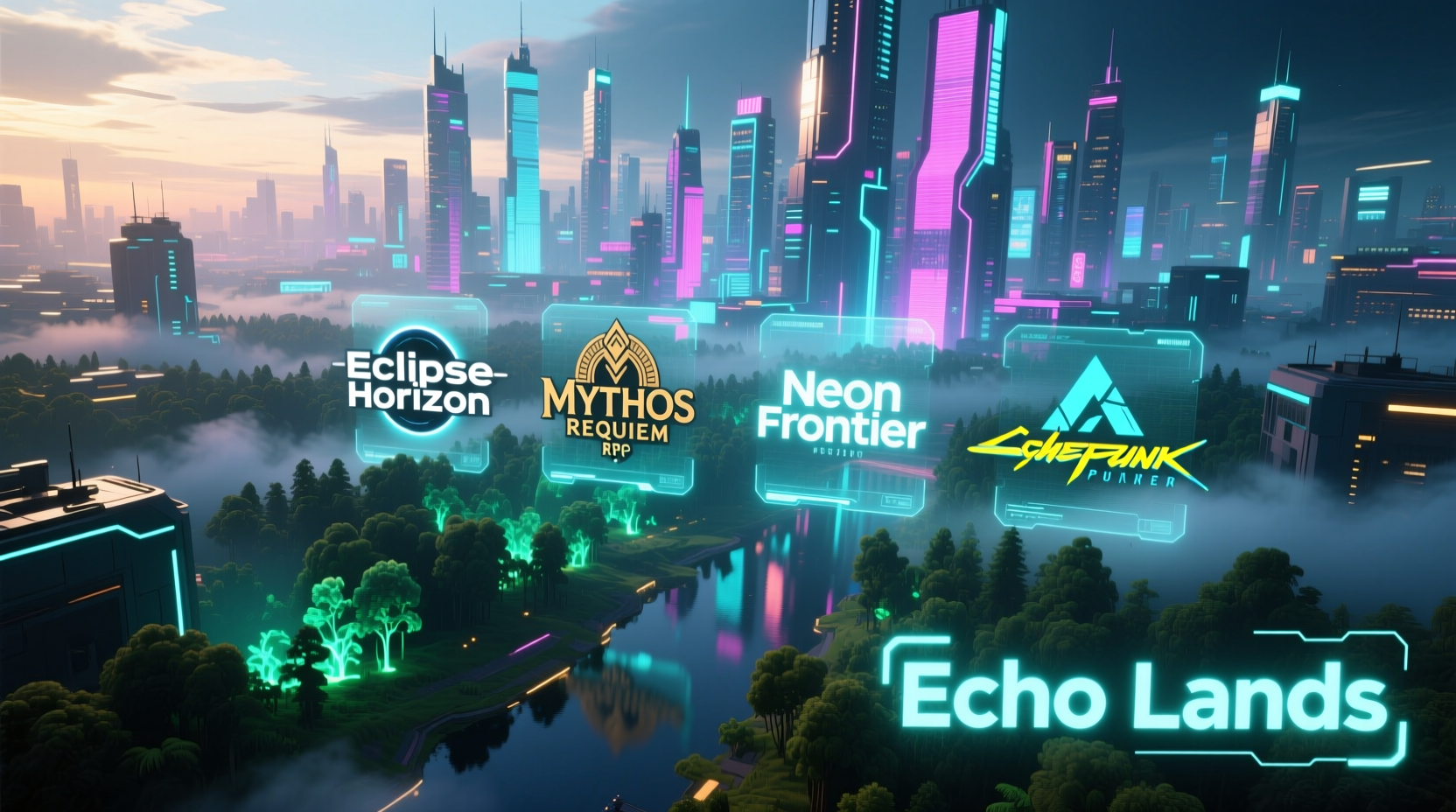
Gone are the days when “open world” simply meant a large map with side quests. In 2025, leading titles feature persistent ecosystems where every action has ripple effects. NPCs remember player behavior, economies fluctuate based on supply and demand, and environmental changes unfold over weeks or months. This level of simulation creates an unparalleled sense of consequence and realism.
Games like Horizon: Awakening Skies and Starfield: Dominion exemplify this trend. In Awakening Skies, players witness seasonal shifts across North American biomes—forests burn during dry summers, rivers freeze in winter, and animal migration patterns evolve. These changes directly impact hunting, crafting, and shelter strategies. Meanwhile, Dominion expands Bethesda’s original vision with faction-controlled star systems that shift allegiances based on player influence, making each playthrough uniquely unpredictable.
2. Top Titles Dominating Player Engagement in 2025
Based on data from Steam, PlayStation Network, Xbox Live, and third-party analytics platforms like Newzoo and Sensor Tower, five open world games stand out for consistently high average playtime, retention rates, and active communities.
| Title | Developer | Avg. Weekly Playtime (hrs) | Key Feature | Platform(s) |
|---|---|---|---|---|
| Elden Ring: Shadow Reign | FromSoftware & Bandai Namco | 17.3 | Expanded narrative with player-driven endings | PC, PS5, Xbox Series X/S |
| Red Dead Redemption 3: Frontier Collapse | Rockstar Games | 21.6 | Dynamic ecosystem reacting to lawlessness | PS5, Xbox Series X/S |
| Assassin's Creed: Byzantium | Ubisoft Montreal | 14.8 | Historical accuracy meets political intrigue | PC, PS5, Xbox Series X/S, Cloud |
| Monster Hunter Wilds | Capcom | 19.1 | Living ecosystems with predator hierarchies | PC, PS5, Xbox Series X/S |
| Fallout 5: Wasteland Protocol | Bethesda Game Studios | 16.4 | AI-driven NPC settlements and diplomacy | PC, PS5, Xbox Series X/S |
Notably, Red Dead Redemption 3 leads in both total hours played and player retention beyond 100 hours. Its success lies in a deeply reactive world where bandit gangs grow stronger if unchecked, towns rebuild or collapse based on player involvement, and wildlife adapts to human presence. This dynamic system ensures no two players experience the same frontier.
Why These Games Are Capturing Attention
- Meaningful Progression: Players feel tangible growth—not just in stats, but in reputation, territory control, and narrative influence.
- Live-World Updates: Many titles now receive weekly micro-events (e.g., natural disasters, invasions) without requiring full DLC drops.
- Cross-Platform Persistence: Save data syncs across devices, enabling seamless transitions between console, PC, and cloud streaming.
- Community Co-Creation: Some games allow players to submit lore entries, design public challenges, or vote on regional developments.
“Open world games in 2025 aren't about size—they're about depth. The most successful ones simulate societies, not just landscapes.” — Dr. Lena Torres, Game Design Researcher at MIT Media Lab
3. How Developers Are Sustaining Long-Term Interest
Retention is the new benchmark for success. A game might launch strong, but maintaining dominance requires ongoing innovation. The leading studios in 2025 use a hybrid model combining scheduled content drops with algorithmic event generation.
For example, Monster Hunter Wilds uses Capcom’s Adaptive Ecosystem Engine (AEE), which adjusts monster behavior based on collective player actions worldwide. If hunters frequently target a specific apex predator, its population declines globally, triggering migration of rival species into vacated territories. This keeps gameplay fresh even after hundreds of hours.
Step-by-Step: How to Stay Engaged in Evolving Open Worlds
- Track World State Changes: Use in-game journals or companion apps to monitor ecological, economic, or political shifts.
- Join Faction Alliances Early: Aligning with a group before major events gives access to exclusive missions and rewards.
- Participate in Community Events: Monthly global objectives often unlock permanent world upgrades.
- Experiment with Alternate Playstyles: Try pacifist runs, trader builds, or exploration-focused paths to see different story branches.
- Review Developer Roadmaps: Follow official channels to anticipate upcoming features and prepare accordingly.
4. Case Study: The Success of Red Dead Redemption 3
In early 2025, Rockstar Games launched Red Dead Redemption 3: Frontier Collapse, set in a fractured 1908 America descending into chaos after a second civil war. Within six weeks, it surpassed 28 million players and averaged over 21 hours of weekly playtime per user—a record for single-player-leaning titles.
The key was its Dynamic Morality System. Unlike traditional honor meters, this mechanic influenced how entire regions reacted to the player. Commiting crimes in one state could lead to bounty hunter syndicates forming alliances across borders. Conversely, helping small towns establish trade routes led to those communities sending caravans to aid the player in hostile zones.
Jamal Reyes, a 32-year-old teacher from Austin, shared his experience: “I spent 80 hours just building relationships with minor NPCs. One shopkeeper I saved ended up opening a safehouse for me three states away. That kind of payoff makes the world feel alive.” His story reflects a broader trend—players investing emotionally in characters once considered background filler.
5. Common Pitfalls and How to Avoid Them
Even the best open world games risk player burnout if not approached strategically. Here are common issues and solutions:
| Pitfall | Consequence | Solution |
|---|---|---|
| Overwhelming quest markers | Mental fatigue, loss of direction | Clear map weekly; focus on 1–2 regions at a time |
| Resource hoarding anxiety | Paralysis in decision-making | Set inventory caps; craft regularly |
| Ignoring side content | Missed story depth and mechanics | Allocate 30% of playtime to non-main missions |
| Playing only for progression | Reduced enjoyment, faster burnout | Take breaks to explore, roleplay, or engage NPCs |
Checklist: Maximize Your Open World Experience in 2025
- ✅ Enable world event notifications to stay informed
- ✅ Join an in-game guild or cooperative network
- ✅ Back up save files externally every month
- ✅ Explore at least one new biome per week
- ✅ Revisit old locations monthly—changes may have occurred
- ✅ Customize controls for smoother traversal
- ✅ Use photo mode to document key moments
6. Frequently Asked Questions
Are open world games still relevant with the rise of VR?
Absolutely. While VR offers immersion, most 2025 open world titles support mixed-reality modes rather than being replaced by them. Games like Elden Ring: Shadow Reign offer optional VR compatibility but are designed primarily for traditional platforms to maintain accessibility and performance stability.
How do I avoid wasting time in massive open worlds?
Use a goal-tracking system. Break your journey into phases: exploration, faction alignment, mastery, and legacy. Prioritize activities that align with your current phase. Also, disable excessive waypoint overlays—navigate using landmarks to enhance immersion and reduce clutter.
Will these games require constant internet connection?
Most support offline modes, but live-world features (e.g., shared events, economy shifts) require periodic online sync. Fallout 5 and Byzantium allow full offline play with delayed update integration upon reconnection.
Conclusion: Shape the World, Don’t Just Traverse It
The open world games of 2025 are no longer passive sandboxes—they are living systems shaped by collective and individual actions. Whether you're tracking legendary beasts in Monster Hunter Wilds, negotiating peace treaties in Assassin's Creed: Byzantium, or surviving the fractured frontier of Red Dead Redemption 3, your choices echo across continents and timelines.
These games dominate player time because they offer more than entertainment—they provide agency, consequence, and a sense of belonging in worlds that evolve independently of you. The most rewarding experiences come not from completing checklists, but from leaving a mark.




 浙公网安备
33010002000092号
浙公网安备
33010002000092号 浙B2-20120091-4
Comments
No comments yet. Why don't you start the discussion?