
The scent of an orange studded with cloves is unmistakable—warm, citrusy, spicy, and deeply nostalgic. For centuries, this simple combination has graced homes during the colder months, not only as a natural air freshener but also as a symbolic gesture of hospitality, health, and seasonal celebration. While often associated with holiday decor, the practice of embedding whole cloves into citrus fruit carries historical depth, aromatic sophistication, and subtle culinary relevance. More than just a craft project, it represents a convergence of sensory pleasure, preservation techniques, and cultural ritual. Understanding its origins, uses, and variations reveals why this age-old custom continues to endure in both domestic and professional settings.
Definition & Overview
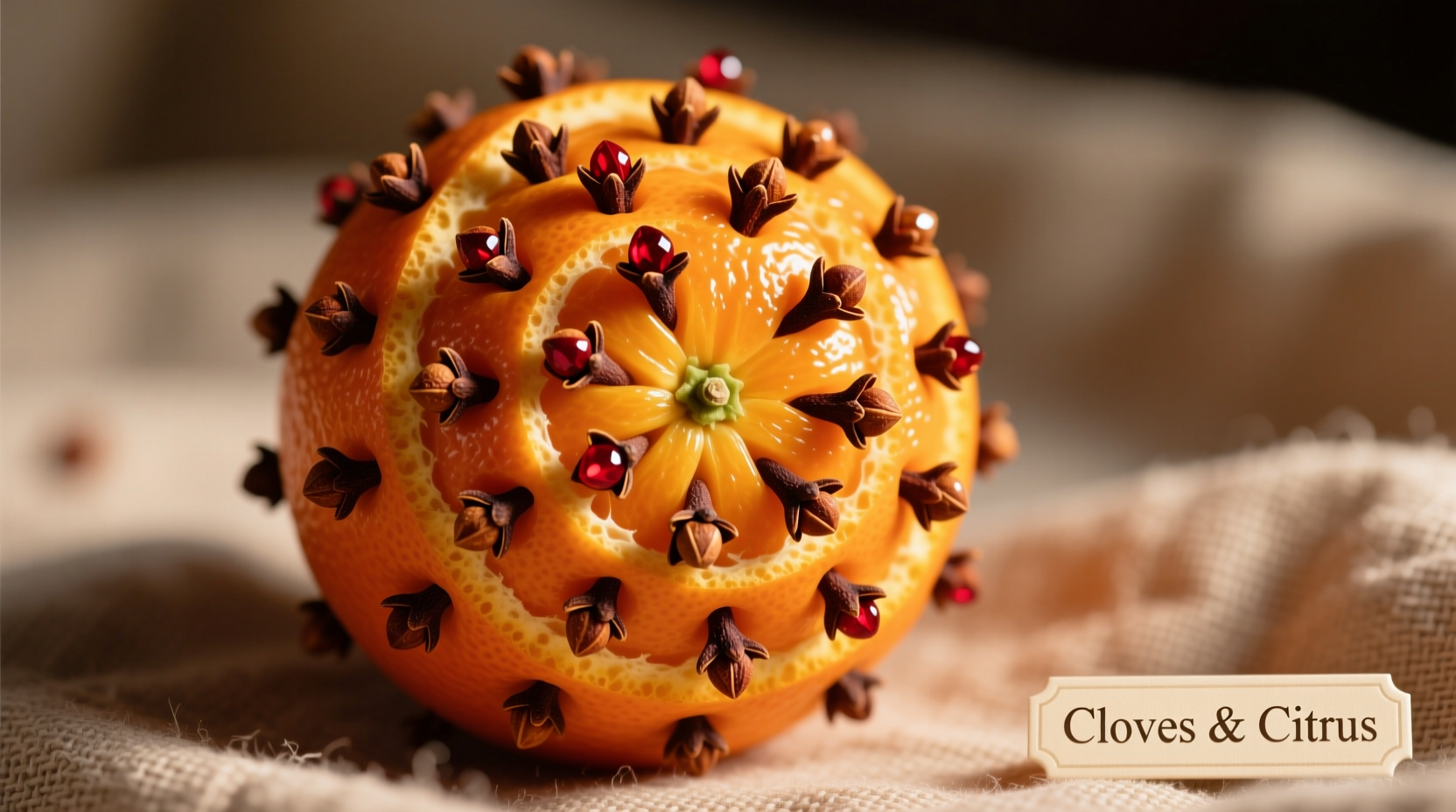
An orange studded with cloves refers to a whole orange—typically a navel or blood orange—pierced densely with whole dried clove buds (from the *Syzygium aromaticum* tree). The process involves inserting hundreds of cloves stem-first into the rind, often covering the entire surface in tight, overlapping patterns. Once completed, the fruit slowly dries over several weeks, intensifying the release of essential oils from both the orange peel and the cloves. The resulting pomander emits a long-lasting, complex fragrance that blends bright citrus top notes with warm, slightly bitter spice.
This tradition dates back to at least the Renaissance era, when pomanders—derived from the French *pomme d'ambre*, meaning “apple of amber”—were carried in ornate metal containers to ward off disease during outbreaks of plague. Citrus and spices like cloves were believed to purify the air and protect against miasma, or “bad air.” Over time, the concept evolved from portable protective amulets into decorative household items, particularly in Victorian England and colonial America. Today, clove-studded oranges are most commonly seen during the winter holidays, especially around Thanksgiving and Christmas, where they serve as natural ornaments, drawer sachets, and festive centerpieces.
Beyond aesthetics and symbolism, the technique reflects early food preservation methods. Cloves possess strong antimicrobial properties, while citrus peels contain limonene, a compound known for its insect-repellent qualities. Together, they create a naturally resistant, slow-drying object that resists mold and decay far longer than a fresh orange would on its own.
Key Characteristics
| Characteristic | Description |
|---|---|
| Flavor Profile | Not intended for consumption; intensely aromatic with sharp citrus and pungent, slightly sweet spice. |
| Aroma | Warm, woody, and citrus-forward. Evolves from bright and zesty to deeper, tobacco-like as it ages. |
| Color & Form | Bright orange initially; darkens to deep brown over weeks. Surface becomes textured with visible clove heads. |
| Heat Level | None (non-edible); however, raw clove oil can cause irritation if ingested or applied undiluted. |
| Culinary Function | Primarily aromatic; occasionally used to infuse spirits or mulled beverages when removed before serving. |
| Shelf Life | 6 months to 2 years when stored in a cool, dry place. May develop white crystalline residue (essential oil deposits), which is normal. |
| Primary Use | Natural air freshener, holiday decoration, drawer sachet, educational craft, historical reenactment. |
Practical Usage: How to Make and Use Clove-Studded Oranges
Creating a clove-studded orange requires patience and precision, but no special tools beyond cloves and a fresh orange. The method is accessible to all skill levels and offers therapeutic benefits through repetitive, mindful assembly.
Step-by-Step Guide
- Select the right orange: Choose firm, unblemished oranges with thick rinds. Navel oranges are ideal due to their size and lack of seeds. Organic is preferable to avoid wax coatings that inhibit drying.
- Gather materials: You’ll need approximately 200–300 whole cloves per medium orange, a toothpick (optional, for pre-poking holes), and optionally, cinnamon sticks or ribbon for display.
- Begin studding: Start at the stem end and work in concentric circles. Insert each clove stem-first about halfway into the peel. Space them closely—roughly ¼ inch apart—for maximum fragrance and visual impact.
- Rotate and repeat: Turn the orange frequently to ensure even coverage. Some traditional patterns mimic geodesic domes or floral rosettes, though random dense placement works equally well.
- Dry the pomander: Place the finished orange on a wire rack in a cool, dark, well-ventilated area. Allow 3–6 weeks for complete drying. It should feel hard and leathery when done.
TIP: To speed up drying and enhance aroma, lightly roll the orange on the counter before studding to release internal juices. Avoid puncturing the flesh—this helps maintain structural integrity during desiccation.
Home Applications
- Holiday Decor: Hang studded oranges with twine or ribbon on Christmas trees, wreaths, or mantles. Pair with dried cinnamon sticks, star anise, or pinecones for a rustic bouquet.
- Closet & Drawer Sachets: Place dried pomanders in linen closets, dresser drawers, or suitcases to impart a clean, uplifting scent and deter moths.
- Natural Air Freshener: Set one on a shelf or windowsill. Reinvigorate the aroma by gently rolling it between your palms to crack the surface.
- Gift Giving: Wrap in tissue paper and tie with raffia for a handmade, sustainable present. Include care instructions for longevity.
Professional & Culinary Uses
While not consumed directly, clove-studded oranges have subtle applications in professional kitchens and mixology:
- Mulling Agent: Use temporarily in mulled wine, cider, or spiced tea. Remove before serving to prevent overpowering bitterness.
- Infused Spirits: Steep a small pomander in brandy or rum for 1–2 weeks to create a base for punches or dessert sauces. Strain thoroughly.
- Sensory Experience in Dining: High-end restaurants sometimes use dried pomanders in tablescapes or waiting areas to establish a warm, inviting ambiance aligned with seasonal menus.
PRO CHEF NOTE: In classical French cuisine, a \"orange piquée\" (piqued orange) was occasionally used to flavor court bouillon or fish poaching liquid, then discarded. This technique added citrus zest and clove aroma without clouding the broth.
Variants & Types
While the classic version uses a single orange and whole cloves, numerous variations exist across cultures and purposes. These adapt the core concept for different sensory profiles, functions, or aesthetic goals.
1. Traditional Pomander Ball
The most common form: a round citrus fruit fully embedded with cloves. Often rolled in ground cinnamon after studding to enhance fragrance and appearance.
2. Apple or Lemon Variants
Though less common, apples and lemons can be used. Apples absorb cloves more slowly due to denser skin, while lemons offer a sharper, more acidic note. Grapefruit and tangerines are also viable, with thinner rinds requiring gentler handling.
3. Spiced Pomander with Additional Botanicals
Incorporates other dried botanicals such as:
- Cinnamon sticks (tied around the orange)
- Star anise
- Allspice berries
- Nutmeg shards
4. Beaded or Caged Pomander
A historical variation where the clove-studded fruit is encased in a pierced metal cage (often silver or brass). Used in the 16th and 17th centuries by aristocrats who carried them suspended from belts or necklaces.
5. Powder-Coated Pomander
After studding, the orange is rolled in orris root powder (derived from iris rhizomes), which acts as a fixative to prolong the scent. This method was favored in perfumery traditions and remains in use among artisanal scent makers.
| Type | Best For | Drying Time | Notes |
|---|---|---|---|
| Classic Orange + Cloves | Decor, gifts, sachets | 3–6 weeks | Most accessible and fragrant |
| Lemon or Grapefruit | Fresher, brighter scent profile | 2–5 weeks | Thinner rind; handle carefully |
| Apple-Based | Longer-lasting structure | 6–8 weeks | Less citrusy, more earthy |
| Spice-Enhanced (cinnamon, anise) | Festive displays, potpourri | 4–7 weeks | Add botanicals after drying |
| Orris Root-Coated | Perfume-making, heirloom pieces | 6+ weeks | Superior scent retention |
Comparison with Similar Ingredients
Several aromatic preparations resemble clove-studded oranges but differ in composition, intent, or application.
| Item | Similarities | Differences |
|---|---|---|
| Potpourri | Both are fragrant, decorative, and used in home scenting. | Potpourri is a loose blend of dried petals, herbs, and spices; not structured. Less durable than a solid pomander. |
| Clove Oil Diffusers | Deliver clove aroma into living spaces. | Synthetic or diluted oils lack the organic evolution of scent. No tactile or visual component. |
| Mulling Spices (pre-mixed) | Used in warming beverages with similar spices. | Edible and temporary. Not designed for long-term display or air freshening. |
| Dried Citrus Wreaths | Use dehydrated citrus slices for decor. | No cloves involved. Focus on visual appeal rather than concentrated fragrance. |
| Incense Cones/Sticks | Provide ambient scent. | Require burning, produce smoke. Lack the natural origin and safety of passive diffusion. |
“The clove-studded orange is one of the few kitchen crafts that bridges utility and poetry. It asks nothing of you but time—and gives back warmth, memory, and a kind of quiet magic.”
— Marion Burros, Food Journalist & Preservation Advocate
Practical Tips & FAQs
How long does it take to make a clove-studded orange?
Studding a single orange takes 1–3 hours depending on density and pattern. Drying adds 3–6 weeks. Many people spread the task over multiple days, working in short sessions.
Can I eat an orange studded with cloves?
No. The concentration of clove oil becomes highly potent during drying and can cause digestive upset or oral irritation. Additionally, the fruit dries into an inedible, leathery mass. Always label clearly if gifting.
Why does my pomander develop a white film?
This is normal. It’s crystallized essential oil from the orange and cloves, not mold. Gently wipe with a dry cloth if desired, but it doesn’t affect performance.
How do I store a finished pomander?
Keep in a cool, dry, dark place away from direct sunlight. A breathable cotton bag or open basket works best. Avoid plastic, which traps moisture and encourages mildew.
Can I reuse a pomander?
Yes, for up to two years. Revive the scent by rolling it between your hands or placing it in a sealed jar with a few drops of orange essential oil for 24 hours.
Are there allergy concerns?
Clove contains eugenol, a known allergen for some. Those sensitive to dental anesthetics (which often include eugenol) may experience respiratory or skin reactions. Use gloves during assembly if prone to sensitivities.
What if I don’t have whole cloves?
Ground cloves cannot be substituted—they lack structural integrity and will not embed. Whole cloves are inexpensive and widely available in grocery spice aisles.
Can I speed up the drying process?
Do not use ovens or microwaves—they can scorch the peel or ignite clove oils. If faster results are needed, try a food dehydrator on the lowest setting (95°F/35°C) for 24–48 hours, checking frequently.
Is this safe for pets?
Keep out of reach of dogs and cats. Clove oil is toxic to many animals, especially in concentrated forms. While a dried pomander poses low risk unless chewed, ingestion could lead to vomiting or liver damage.
STORAGE CHECKLIST:
- Store in ventilated container
- Avoid humidity and direct sun
- Check monthly for soft spots
- Refresh scent every 4–6 weeks
- Label clearly as non-edible
Summary & Key Takeaways
Oranges studded with cloves are far more than a nostalgic holiday craft. They embody a confluence of history, sensory science, and practical artistry. Their enduring appeal lies in simplicity: two ingredients, minimal tools, and profound olfactory impact. Whether displayed on a mantle, tucked into a drawer, or used to subtly scent a simmer pot, these pomanders connect us to centuries of culinary and domestic wisdom.
The key points to remember:
- This is a non-edible aromatic preparation—never consume the finished product.
- Use fresh, unwaxed oranges and whole cloves for best results.
- Drying takes weeks; patience yields superior fragrance and durability.
- Variations exist using different fruits, spices, and fixatives like orris root.
- Safe for home use but keep away from pets and those with clove sensitivities.
- Properly stored, a pomander can last over a year and be refreshed as needed.




 浙公网安备
33010002000092号
浙公网安备
33010002000092号 浙B2-20120091-4
Comments
No comments yet. Why don't you start the discussion?