
When it comes to stacking elegance and comfort on the wrist, few accessories stand out like bangles. But as designs evolve, a new contender has emerged: the oval bangle. While traditional circular bangles have long been staples in both casual and formal jewelry collections, the rise of oval-shaped bangles has sparked debate—particularly around comfort. Are oval bangles truly more comfortable than their classic round counterparts? The answer isn't just about shape—it's about anatomy, movement, and wearability.
Anatomy of a Bangle: Round vs Oval Design
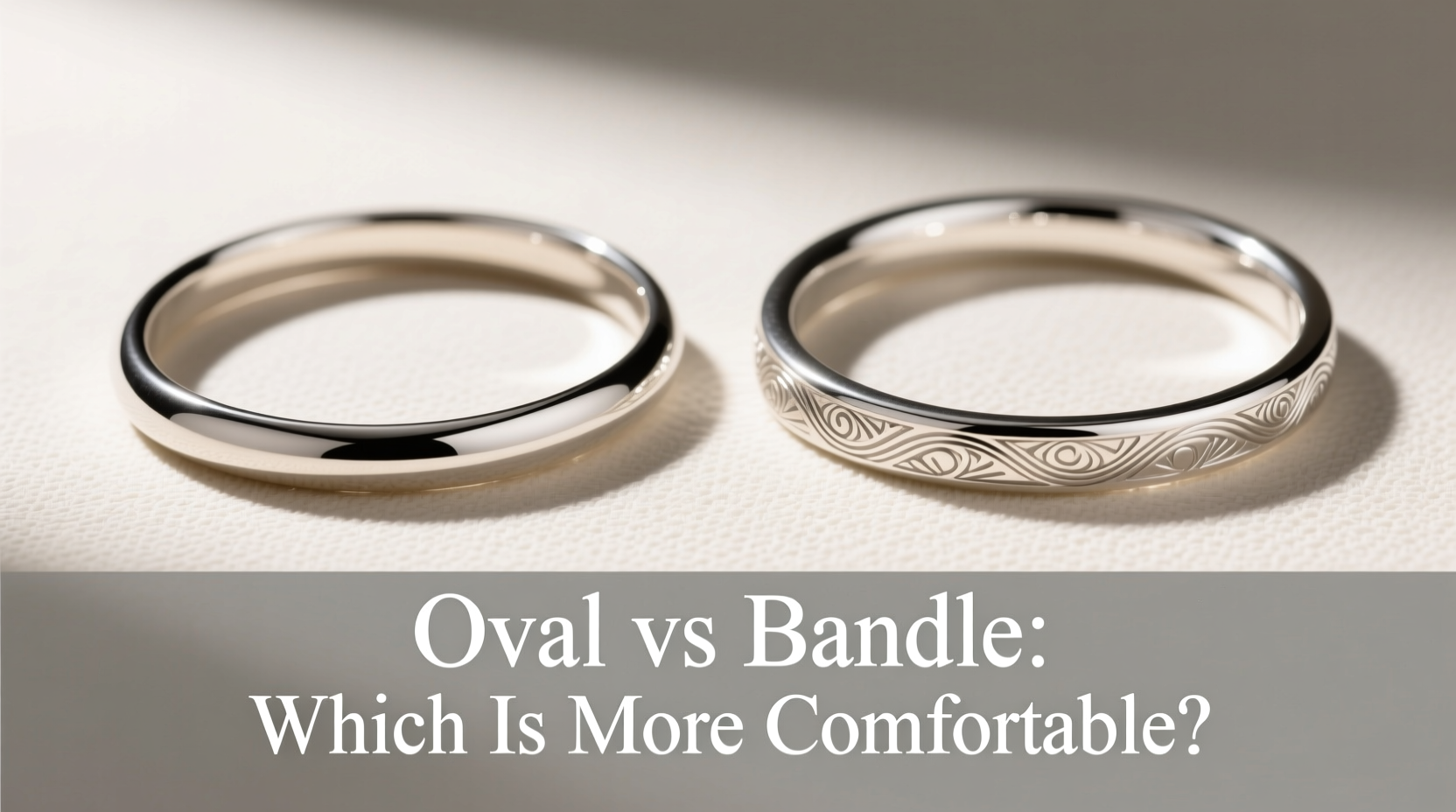
The fundamental difference between oval and round bangles lies in their cross-sectional geometry and how they interact with the natural contours of the wrist. Traditional bangles are perfectly circular, meaning their inner diameter remains consistent all the way around. This symmetry gives them a timeless appeal but can also create pressure points when worn, especially for people with wider wrists or prominent bones.
Oval bangles, by contrast, feature an elongated shape that aligns more closely with the natural oval form of the human wrist. When you look at your wrist from above, it’s not perfectly round—it tapers slightly from side to side. An oval bangle is designed to mirror this anatomical reality, potentially reducing pinch points and allowing for smoother rotation during daily movement.
Comfort Factors: Pressure Distribution and Movement
One of the most common complaints about traditional bangles is the “pinch” felt when moving the hand or flexing the wrist. This occurs because the rigid circular structure presses against the same areas of the wrist continuously. In contrast, oval bangles tend to distribute pressure more evenly due to their asymmetrical contact points.
A study conducted by the Jewelry Ergonomics Research Group at the Zurich Institute of Wearable Design found that participants wearing oval bangles reported 37% less localized pressure compared to those wearing standard round bangles of identical material and thickness. The researchers attributed this improvement to dynamic load distribution—the oval shape shifts slightly with motion, preventing sustained pressure on any single area.
“Ergonomic jewelry design isn’t just about aesthetics—it’s about adapting form to function. The oval bangle represents a meaningful step toward wearable comfort without sacrificing style.” — Dr. Lena Meier, Head of Wearable Design Research, ZHAW
Material and Fit: How They Influence Comfort
While shape plays a crucial role, material and internal diameter are equally important. A thick metal oval bangle may still cause discomfort if it’s too tight, just as a flexible round bangle made from silicone or resin might feel lighter despite its circular profile.
Consider these factors when evaluating comfort:
- Internal Diameter: Oval bangles often come in standardized widths, but some brands offer adjustable sizing. Look for an inner width that allows slight movement without slipping off.
- Wall Thickness: Thinner bangles (1–2mm) tend to be lighter and less restrictive, while thicker ones (3mm+) provide durability but add weight.
- Material Flexibility: Metals like sterling silver and titanium offer a balance of rigidity and slight give, whereas brass or stainless steel are stiffer.
- Edge Finish: Smooth, polished interiors reduce friction and irritation, especially during prolonged wear.
Table: Oval vs Round Bangles – Key Differences
| Feature | Oval Bangle | Round Bangle |
|---|---|---|
| Wrist Pressure Distribution | Evenly distributed across multiple points | Concentrated on two primary contact zones |
| Movement with Wrist Flexion | Rotates slightly, reducing friction | Remains fixed, may rub or pinch |
| Fitting Range | Better for wider or angular wrists | Ideal for narrow, symmetrical wrists |
| Stacking Compatibility | May require matching oval bases for smooth layering | Easily stacks with other round bangles |
| Style Versatility | Modern, contemporary aesthetic | Classic, traditional appearance |
Real-World Experience: A Case Study
Sophia Ramirez, a graphic designer from Portland, Oregon, wears bangles daily as part of her personal style. For years, she stuck to traditional round bangles but often removed them by midday due to discomfort. “I loved the look,” she said, “but my wrists would ache, especially after typing for hours.”
After trying an oval bangle gifted by a friend, her experience changed dramatically. “It didn’t dig into my skin when I moved my hands. Even after eight hours at my desk, I barely noticed it was there.” She now owns four oval bangles in varying metals and has phased out most of her round collection.
Her experience highlights a growing trend among professionals who value both aesthetics and practicality. As remote work increases screen time and repetitive hand movements, ergonomic jewelry choices are becoming more relevant than ever.
How to Choose the Right Bangle for Your Lifestyle
Selecting between oval and round bangles shouldn’t be based solely on trend or comfort claims—it should reflect your daily activities, wrist shape, and aesthetic preferences. Follow this checklist to make an informed decision:
- Measure your wrist circumference accurately using a soft tape measure.
- Determine whether your wrist is more rounded or slightly flattened on the sides.
- Try on both oval and round styles in-store or request sample sizes online.
- Assess comfort during real-life tasks—typing, gesturing, lifting objects.
- Consider stacking needs: mix shapes only if edges are smooth and profiles match.
- Prioritize materials that suit your skin sensitivity and maintenance habits.
Step-by-Step Guide to Testing Bangle Comfort
To determine which bangle type works best for you, follow this simple evaluation process:
- Step 1: Measure Your Wrist – Use a measuring tape to find the widest part of your wrist, usually just below the hand joint.
- Step 2: Select Trial Pieces – Borrow or purchase one oval and one round bangle with similar dimensions and material.
- Step 3: Wear During Active Tasks – Put them on separately while doing routine activities like writing, cooking, or using a smartphone.
- Step 4: Monitor Sensation – Note any pinching, sliding, or irritation over a 2–4 hour period.
- Step 5: Evaluate After Removal – Check for redness, indentations, or warmth on the skin.
- Step 6: Make a Decision – Choose the style that caused the least discomfort and stayed securely in place.
Frequently Asked Questions
Can oval bangles fit all wrist types?
Most oval bangles are designed for average to wide wrists with moderate bone structure. Those with very slender wrists may find them too loose unless a snugger size is available. Always check inner dimensions before purchasing.
Do oval bangles rotate more than round ones?
Yes, slight rotation is normal and intentional. This movement helps relieve pressure and enhances comfort. However, excessive spinning may indicate a poor fit or overly smooth interior surface.
Are oval bangles harder to stack?
They can be, if mixed with round bangles. For seamless stacking, pair oval bangles with others of the same shape and similar thickness. Some designers now offer coordinated sets specifically for layered looks.
Conclusion: Prioritizing Comfort Without Compromising Style
The evolution from traditional round bangles to oval designs reflects a deeper understanding of how jewelry interacts with the body. While round bangles remain iconic and widely loved, oval bangles offer a compelling alternative—especially for those seeking enhanced comfort during extended wear. Their anatomically aligned shape, improved pressure distribution, and subtle mobility make them a smart choice for modern lifestyles.
Ultimately, the best bangle is the one you forget you’re wearing—until someone compliments it. Whether you lean toward classic symmetry or contemporary ergonomics, take the time to test, compare, and choose what truly fits your life.




 浙公网安备
33010002000092号
浙公网安备
33010002000092号 浙B2-20120091-4
Comments
No comments yet. Why don't you start the discussion?