
Running errands—whether it’s grocery shopping, picking up dry cleaning, or dropping off packages—requires a reliable companion. The right bag can make your day smoother, more efficient, and even more stylish. But when choosing between an oversized tote and a crossbody bag, the decision isn’t just about fashion. It’s about function, comfort, and practicality.
Each style has its strengths and weaknesses. Totes offer generous space and a polished look, ideal for carrying laptops, books, and shopping hauls. Crossbody bags prioritize mobility, security, and hands-free convenience, making them excellent for quick trips and crowded environments. So which one truly wins for daily errands?
Capacity and Storage: What Can You Fit?
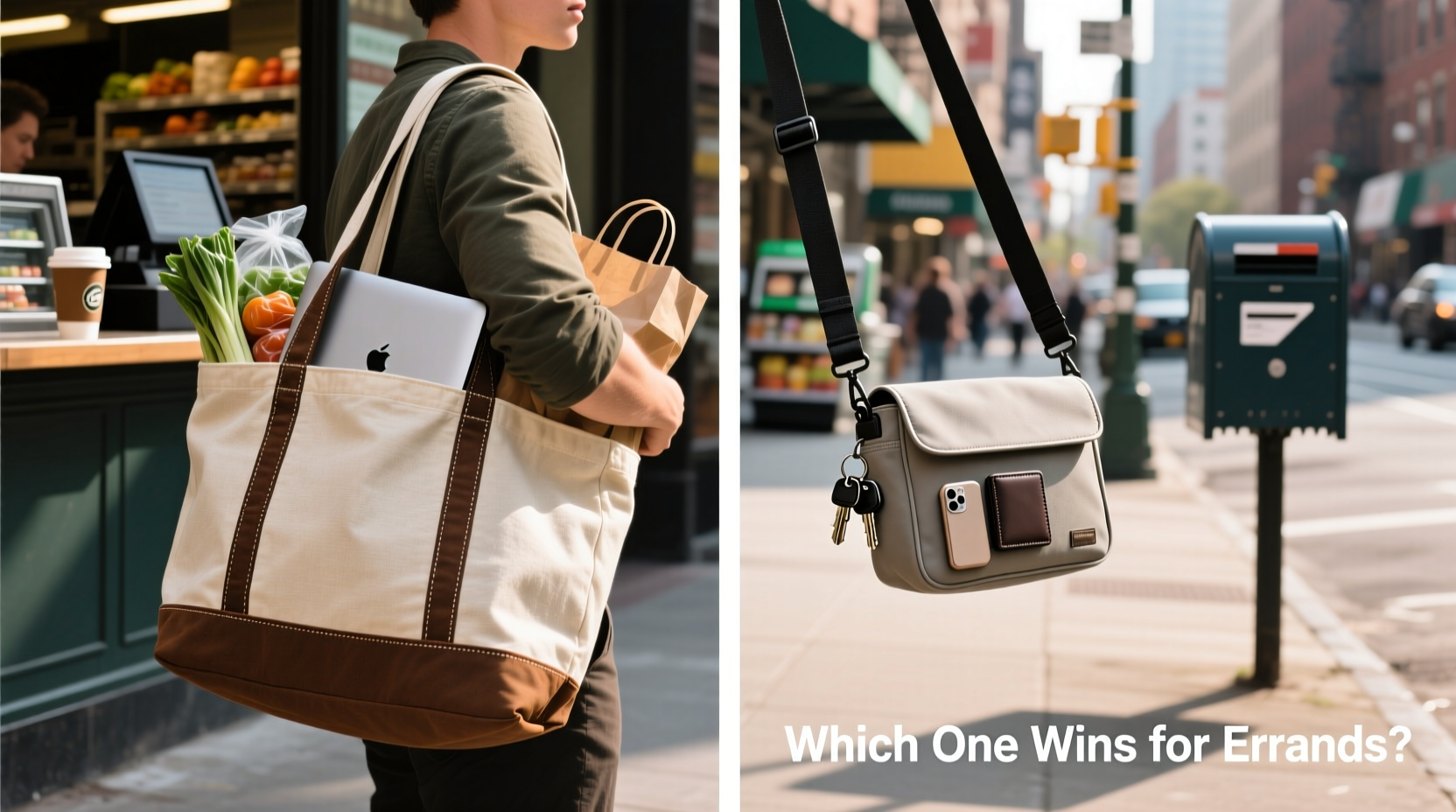
The most immediate difference between these two styles is capacity. An oversized tote typically measures 14–18 inches wide with deep sides and open tops, allowing you to toss in everything from a tablet and water bottle to reusable grocery bags and a light jacket. This makes it ideal when you know you’ll be collecting items throughout the day.
In contrast, crossbody bags are compact by design. Most range from 8 to 12 inches in width and are structured to hold essentials: wallet, phone, keys, sunglasses, and maybe a small notebook. While some models come with expandable zippers or external pockets, they simply can’t match the volume of a tote.
Consider your typical errand load. Do you return home with multiple shopping bags, library books, or gym gear? A tote gives you room to consolidate. Are your outings short and focused—like mailing a letter or grabbing lunch? A crossbody keeps you light and agile.
Comfort and Wearability: Carrying Weight Throughout the Day
Carrying comfort plays a crucial role, especially if your errands span several hours. Oversized totes usually have dual top handles, meant to be carried in-hand or over the shoulder. However, once loaded, their weight concentrates on one shoulder or arm, leading to strain. Long-term use can result in neck tension or shoulder fatigue—especially if the bag lacks padding or structure.
Crossbody bags distribute weight across the torso, using a long, adjustable strap worn diagonally across the body. This balanced load reduces pressure on any single point. The hands-free design also allows for natural movement, making it easier to navigate stairs, open doors, or manage children or pets.
That said, not all crossbody straps are created equal. Thin straps may dig into the shoulder, while poorly balanced bags can swing awkwardly during walking. Look for models with padded, wide straps and ergonomic designs that sit snugly against the body.
“Ergonomics matter more than aesthetics when it comes to functional bags. A well-distributed load prevents long-term discomfort.” — Dr. Lena Reyes, Physical Therapist & Posture Specialist
Security and Theft Prevention
Safety is often overlooked until something goes wrong. Open-top totes, while convenient, expose contents to prying eyes and opportunistic snatching—especially in crowded areas like public transit, farmers markets, or busy sidewalks. Valuables left visible (phone, wallet, headphones) become easy targets.
Crossbody bags, particularly those with zippered main compartments and anti-slash straps, offer superior protection. When worn across the chest, the bag stays in front of you, within sight and reach. Many modern crossbodies feature RFID-blocking pockets, locking zippers, and cut-resistant materials designed specifically for urban environments.
For those living in or visiting high-traffic cities, this added layer of security is invaluable. Even in low-risk neighborhoods, having peace of mind matters—especially when juggling multiple tasks or distractions.
Real Example: A Day in the Life of Two Shoppers
Maria uses her oversized leather tote for weekly errands: farmer’s market, post office, and bookstore. She appreciates the space but admits she once left her wallet exposed while unloading produce. It was gone before she noticed. Since then, she lines her tote with a zippered pouch—but still feels uneasy in dense crowds.
Jamal, a city dweller, relies on a slim crossbody with a hidden magnetic flap. He hits the pharmacy, ATM, and coffee shop in under an hour. His bag stays tucked against his chest, phone secured in a rear pocket. “I don’t even think about it,” he says. “It’s always where I can feel it.”
Their experiences highlight a key trade-off: capacity versus control.
Style and Versatility Across Settings
Fashion plays a role, too. Oversized totes project professionalism and effortlessness. In neutral tones like tan, black, or navy, they pair well with casual and business-casual outfits alike. They’re commonly seen in office environments, art galleries, or weekend brunches—anywhere a polished, put-together look is expected.
Crossbody bags lean toward casual utility. While designer versions exist, many models emphasize sporty or minimalist aesthetics. They suit athleisure, jeans-and-tee combos, or travel wear. Some find them less appropriate for formal settings, though sleek leather or metallic finishes can elevate the look.
Versatility depends on your lifestyle. If you transition from errands to meetings or social events, a tote might integrate more seamlessly. If your day is active and unpredictable—think dog walks, school pickups, or outdoor markets—a crossbody adapts faster.
Comparative Overview: Tote vs Crossbody at a Glance
| Feature | Oversized Tote | Crossbody Bag |
|---|---|---|
| Capacity | High – fits laptop, folders, large items | Low to medium – holds essentials only |
| Hands-Free Use | Limited – must carry by hand or over shoulder | Full – worn across body, completely hands-free |
| Weight Distribution | Poor – concentrated on one shoulder | Excellent – balanced across torso |
| Security | Low – open top, hard to monitor | High – close to body, often locked |
| Style Flexibility | High – works in professional and casual settings | Moderate – best for casual or urban use |
| Durability Needs | High – frequent overloading risks wear | Medium – lighter loads extend lifespan |
| Ideal For | Shopping, work commutes, multi-stop days | Quick errands, crowded areas, active routines |
Choosing Based on Your Lifestyle: A Step-by-Step Guide
Instead of declaring a universal winner, the best choice depends on your routine. Follow this decision framework to identify your ideal bag:
- Assess Your Typical Errand Load
Track what you carry for three days. Is it mostly essentials (wallet, phone, keys), or do you regularly transport larger items (laptop, umbrella, reusable bags)? - Evaluate Your Environment
Do you walk through crowded streets, use public transportation, or visit tourist-heavy zones? High foot traffic favors secure, close-fitting crossbodies. - Consider Duration and Distance
Longer routes or extended standing benefit from hands-free, weight-distributed designs—crossbodies win here. - Weigh Style Requirements
If you move from errands to client meetings or social visits, a tote offers greater wardrobe compatibility. - Test for Comfort
Try both styles loaded with your usual items. Walk for 10–15 minutes. Notice strain, balance, and ease of access. - Decide on a Primary Use Case
Choose the bag that excels in your most frequent scenario—even if it means owning both for different days.
Action Checklist: Picking the Right Bag for Your Errands
- ✅ List the items you carry on a typical errand day
- ✅ Note how many stops you make and total walking distance
- ✅ Identify safety concerns in your area (e.g., pickpocketing)
- ✅ Try on both tote and crossbody with realistic weight
- ✅ Check closure types: zippers > magnetic snaps > open tops
- ✅ Prioritize padded straps and structured interiors
- ✅ Consider owning one of each for flexibility
Expert Insight: Why Function Should Lead Design
“The most beautiful bag is useless if it causes pain or gets stolen. Start with purpose, then refine for style.” — Naomi Tran, Urban Lifestyle Designer & Bag Consultant
Tran emphasizes that consumers often prioritize aesthetics without testing real-world performance. “People fall in love with a tote’s silhouette but don’t realize how heavy it becomes when filled. Or they choose a tiny crossbody that can’t fit a folded sweater from the dry cleaner. Measure your life, not the bag.”
Frequently Asked Questions
Can I use a crossbody bag for grocery shopping?
Only for very light shopping. Most crossbody bags lack the capacity for more than a few items. If you're buying produce, dairy, or packaged goods, you’ll likely need additional bags. However, pairing a crossbody with a foldable tote inside can offer the best of both worlds: security for valuables and expandable space for purchases.
Are oversized totes out of style?
No. Oversized totes remain a staple in both fashion and function. Designers continue releasing updated versions in sustainable materials, bold colors, and structured silhouettes. Their timeless utility ensures lasting relevance, especially in professional and creative industries.
How do I prevent my tote from slumping or losing shape?
Use bag inserts or frame stabilizers to maintain structure. Avoid overstuffing, which strains seams. When not in use, stuff the tote with tissue paper or bubble wrap to preserve form. Store upright in a dust bag, away from direct sunlight.
Final Verdict: It Depends on Your Day
There is no single “better” option between an oversized tote and a crossbody bag. Each serves distinct needs. The oversized tote reigns supreme when capacity, organization, and professional appearance matter. It’s the go-to for full-day outings, shopping sprees, or work-related errands.
The crossbody bag excels in agility, safety, and comfort. It’s ideal for fast trips, urban navigation, or situations where being hands-free is essential. Its compact size encourages minimalism, helping you carry only what you truly need.
The smartest approach? Own both. Rotate based on your schedule. Keep a foldable tote tucked in your crossbody for surprise purchases. Or carry a mini crossbody inside your tote to separate essentials from bulk.




 浙公网安备
33010002000092号
浙公网安备
33010002000092号 浙B2-20120091-4
Comments
No comments yet. Why don't you start the discussion?