
For professionals navigating city commutes, office meetings, and back-to-back errands, the right handbag isn’t just an accessory—it’s a functional necessity. The choice between an oversized tote and a structured handbag often comes down to more than aesthetics. It reflects lifestyle, workload, commute conditions, and long-term wearability. While both styles have loyal followings in corporate circles, understanding their strengths and limitations can make the difference between arriving composed or scrambling for loose chargers at the subway gate.
This guide breaks down the practical realities of each bag type, evaluates performance across key commuting criteria, and offers real-world insights to help professionals choose wisely—without sacrificing professionalism or comfort.
Durability and Daily Wear Resistance
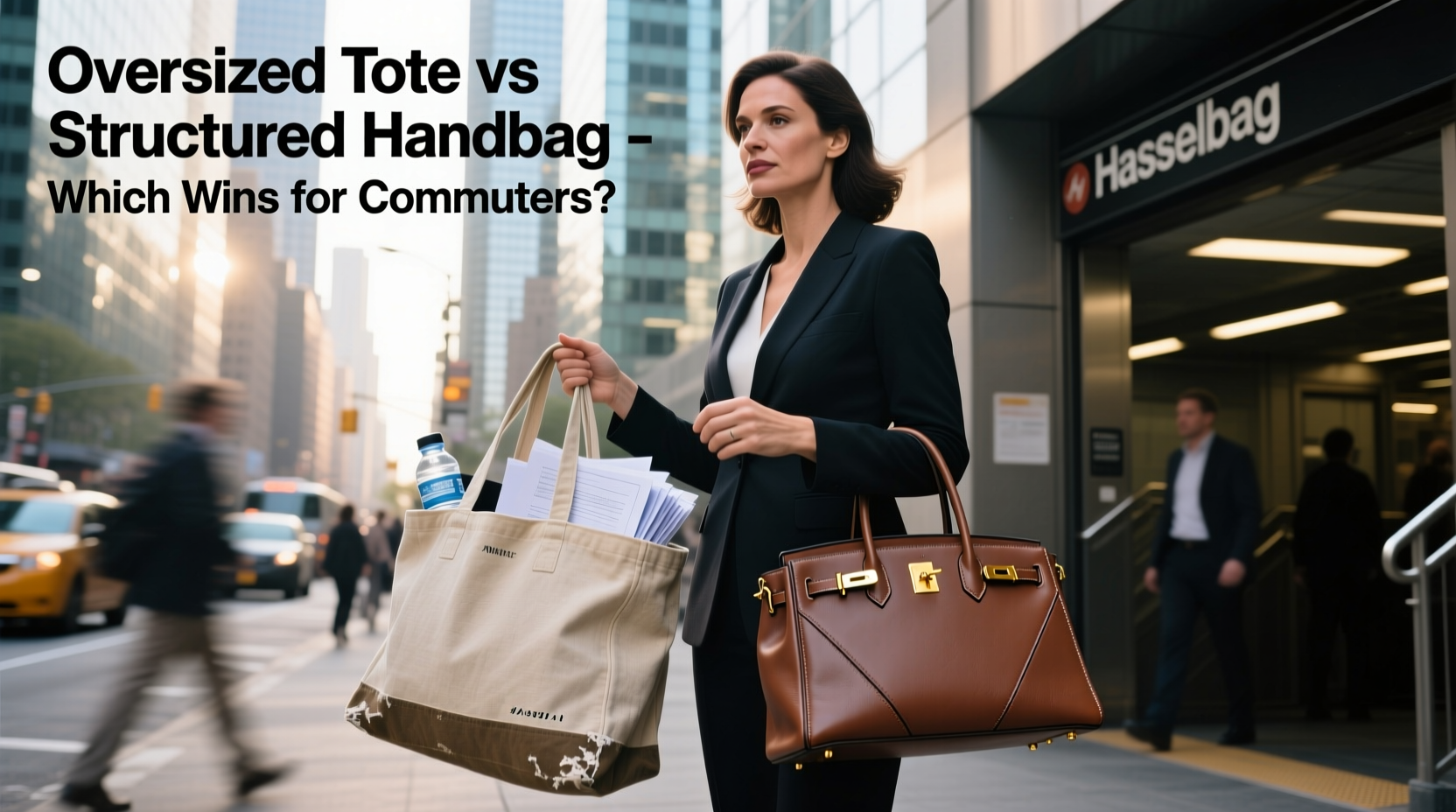
Commuting subjects bags to constant stress: jostling on public transit, being stuffed under desks, tossed into overhead bins, or dragged across wet sidewalks. Durability, therefore, is not optional—it’s foundational.
Oversized totes, typically made from canvas, nylon, or soft leather, prioritize capacity over rigidity. Their large openings and flexible bodies make them easy to pack but prone to sagging when overloaded. Over time, heavy laptops, notebooks, and water bottles can stretch the fabric or distort the shape, especially in lower-quality materials. Reinforced stitching and bottom panels help, but many totes still degrade faster under daily strain.
Structured handbags, by contrast, are built with internal frames, stiff linings, and reinforced corners. These design elements distribute weight evenly and maintain shape regardless of load. High-end structured bags often use full-grain leather or durable synthetics that resist scuffing and moisture. Because they’re engineered like briefcases, they tend to outlast softer counterparts when used five days a week.
Functionality: What Fits, What Stays Organized
A bag must do more than carry items—it must organize them. For professionals, disorganization leads to wasted time, misplaced documents, and last-minute panic.
Oversized totes excel in volume. Most can easily hold a 15-inch laptop, tablet, gym clothes, lunch container, and personal items—all without zipping shut. This open-access design is ideal for those who need quick reach to files or devices. However, the lack of internal divisions means everything shifts during transit. Finding a pen or phone becomes a dive-through session, and delicate electronics risk damage from pressure or impact.
Structured handbags trade raw space for smart compartmentalization. They usually include dedicated slots for laptops, phones, pens, cards, and even umbrella pockets. Zippers keep contents secure, and the rigid interior prevents crushing. While some models limit bulkier items (like rolled yoga mats), their organization saves minutes each day—especially during security checks or client arrivals.
“Time saved from not rummaging through a cluttered tote adds up. In high-pressure jobs, that efficiency compounds.” — Marcus Lin, Productivity Consultant
Comfort and Ergonomics During Transit
Carrying a bag for 30+ minutes daily demands ergonomic consideration. Shoulder strain, back pain, and imbalance are common complaints among commuters using poorly designed bags.
Oversized totes, due to their size and weight distribution, often rest low on one shoulder. When fully loaded, this creates uneven posture and puts stress on the neck and trapezius muscles. Carrying it alternately on both shoulders helps, but the single-strap design limits true balance. Some users switch to backpack-style straps, but this alters the bag’s intended aesthetic and may not suit formal office environments.
Structured handbags, particularly those with dual top handles or optional crossbody straps, offer better weight distribution. Dual handles allow briefcase-style carrying, promoting upright posture. Crossbody versions shift weight across the torso, reducing shoulder fatigue. Many also feature padded grips for extended comfort. While slightly heavier due to internal structure, their balanced design makes them less taxing over time.
Comparison Table: Commuting Performance Factors
| Feature | Oversized Tote | Structured Handbag |
|---|---|---|
| Capacity | High – fits laptop, gym gear, lunch, folders | Moderate – optimized for essentials, limited bulk |
| Organization | Low – few internal pockets, open layout | High – multiple compartments, secure zippers |
| Durability | Variable – depends on material; prone to sagging | High – maintains shape, resists wear |
| Ease of Access | Excellent – wide opening, no closures | Fair – requires unzipping or opening flaps |
| Shoulder Comfort | Poor – single strap, uneven weight | Good – dual handles or crossbody options |
| Professional Appearance | Depends on material – canvas looks casual | Consistently polished, boardroom-ready |
| Weather Resistance | Limited – fabric absorbs moisture | Better – leather/synthetic shells repel rain |
Style and Professional Image
In many industries, appearance influences perception. A well-chosen bag signals preparedness, attention to detail, and respect for professional norms.
Oversized totes lean toward a relaxed, creative, or entrepreneurial vibe. In tech startups, media, or design firms, they project approachability and versatility. However, in law, finance, or consulting, an overstuffed canvas tote may appear disorganized—even if its owner is meticulous. The visual impression matters: a slouching bag with visible cables and coffee stains undermines credibility.
Structured handbags, with their clean lines and tailored silhouettes, align naturally with formal attire. They mirror the precision of a tailored suit or polished shoes. Even in business-casual environments, they elevate an outfit subtly. Brands like Cuyana, Polène, or Valextra have gained traction for blending minimalism with functionality—ideal for professionals who value discretion and elegance.
That said, material choice plays a critical role. A black leather tote with gold hardware reads as professional; a bright nylon version does not. Context determines appropriateness.
Real-World Scenario: Two Professionals, Two Choices
Sarah, Marketing Director, Financial Services
Sarah commutes 45 minutes each way via train and walks the final leg in heels. Her day includes client presentations, team check-ins, and after-work networking. She carries a tablet, notebook, portfolio, makeup pouch, and reusable water bottle.
She started with an oversized canvas tote for its spaciousness but found herself constantly adjusting the strap and digging for her transit card. After six months, the bag sagged and developed a stain from spilled coffee. She switched to a structured satchel with a padded laptop sleeve and magnetic flap closure. Though slightly smaller, it keeps her items secure, looks sharp in meetings, and feels more balanced on her shoulder. “I spend less time managing my bag and more time preparing mentally for the day,” she says.
Jamal, Freelance UX Designer
Jamal works remotely but visits co-working spaces three times a week. His commute involves biking and subway rides. He needs space for his 16-inch laptop, sketchbook, headphones, charger, and sometimes a change of clothes.
He uses a water-resistant oversized tote with adjustable shoulder straps and a removable laptop sleeve. The open top lets him quickly grab his helmet or wallet while biking. He values flexibility over formality and appreciates the ability to toss in a jacket or grocery bag post-commute. “My tote adapts to my day. I don’t want anything too rigid—it would feel like wearing a suit to a brainstorming session.”
Their contrasting needs highlight a key truth: there is no universal “better” option. Suitability depends on individual workflow, environment, and priorities.
Choosing the Right Bag: A Step-by-Step Guide
Follow this decision framework to identify your ideal commuter companion:
- Assess Your Daily Load: List every item you carry regularly. Measure their combined weight. If it exceeds 8–10 lbs, prioritize structural support.
- Evaluate Your Commute Type: Do you walk, bike, drive, or take transit? Long walks favor balanced weight distribution; driving allows easier access and less physical strain.
- Consider Your Workplace Culture: Is your office formal, casual, or hybrid? Match your bag’s aesthetic to the expected level of polish.
- Test Carry Styles: Try both single-shoulder and dual-handle options in-store. Notice how the bag sits after five minutes of simulated walking.
- Check Security Features: Look for zippered main compartments, RFID-blocking pockets, and anti-theft designs if you travel through crowded areas.
- Factor in Weather: If rain or snow is common, choose water-resistant materials and avoid untreated canvas or suede.
- Budget for Longevity: Invest in quality. A $300 structured bag lasting five years costs less per use than replacing two $120 totes annually.
FAQ: Common Questions Answered
Can I use an oversized tote in a corporate setting?
Yes, but only if it’s made from premium materials like pebbled leather, has clean lines, and is kept organized. Avoid visibly cluttered or worn versions. Opt for neutral colors like black, navy, or taupe to maintain professionalism.
Are structured handbags too small for daily essentials?
Not necessarily. Many modern structured bags are designed with commuters in mind. Look for models labeled “work to weekend” or “executive”—they often include expandable gussets, detachable pouches, or fold-out compartments to increase capacity when needed.
How do I prevent shoulder pain from daily bag use?
Distribute weight evenly by using crossbody straps or switching shoulders frequently. Choose bags with padded handles and avoid loads exceeding 10% of your body weight. Consider a rolling briefcase if your commute involves long distances.
Final Recommendation: Match Function to Lifestyle
The oversized tote versus structured handbag debate isn’t about declaring a winner—it’s about alignment. For professionals whose days demand mobility, volume, and adaptability, the oversized tote remains a powerful tool. But it requires discipline: regular cleaning, careful packing, and acceptance of wear-and-tear.
The structured handbag suits those who prioritize order, longevity, and a polished presence. It excels in consistency, offering reliability day after day with minimal maintenance. While less forgiving in capacity, its organizational intelligence often compensates.
Ultimately, the best bag supports your routine without becoming a burden. It should feel like an extension of your preparedness—not a liability you manage en route.
“The right bag doesn’t just carry your things. It carries your confidence.” — Lena Choi, Style Strategist for Working Professionals
Take Action Today
Reevaluate your current commuter bag. Does it cause discomfort? Do you lose time searching for items? Is it aligned with how you want to be perceived? If not, start testing alternatives. Visit stores, try carrying full loads, and ask colleagues about their favorites. Small upgrades in functionality yield outsized returns in daily ease.




 浙公网安备
33010002000092号
浙公网安备
33010002000092号 浙B2-20120091-4
Comments
No comments yet. Why don't you start the discussion?