
When choosing a daily carry bag, two popular contenders stand out: the oversized tote and the structured satchel. Both promise ample space and style, but they differ significantly in how they maintain shape under load. For professionals, students, or frequent travelers, the key concern isn’t just volume—it’s whether the bag can hold its contents securely without collapsing into a limp, overstuffed mess. This article breaks down the structural integrity, storage capacity, material choices, and real-world performance of both styles to determine which truly delivers more usable space without sagging.
Understanding Bag Structure and Material Impact
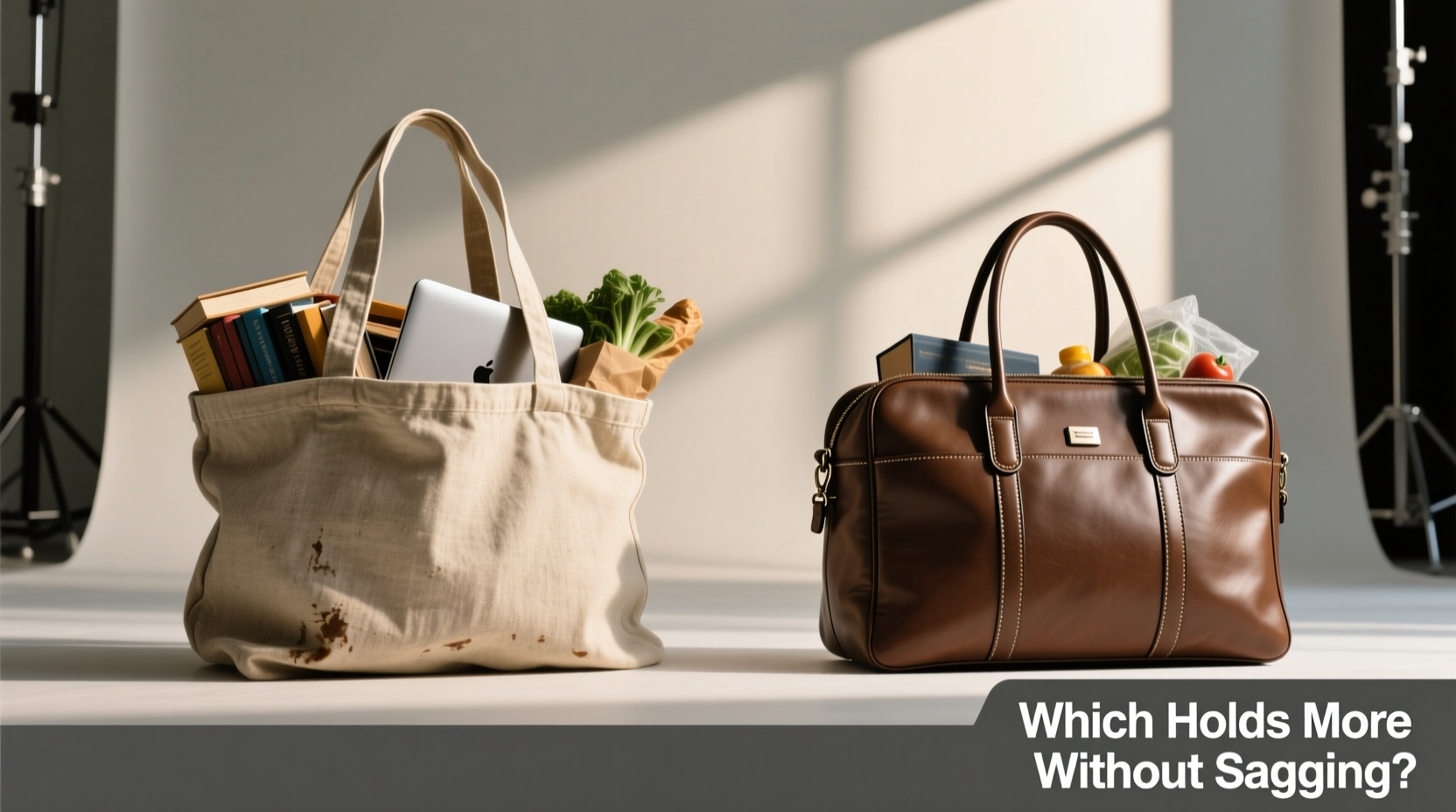
The ability of a bag to resist sagging is not solely about size—it's rooted in construction. A bag’s frame, lining, stitching, and fabric all contribute to its ability to retain shape when filled. Oversized totes are typically soft-sided, relying on flexible materials like canvas, nylon, or unlined leather. These materials offer generous capacity but often lack internal support, leading to drooping handles and slumping sides when loaded with books, laptops, or personal items.
In contrast, structured satchels are built with rigidity in mind. They frequently feature molded frames, stiffened panels, or interlining made from materials like foam, cardboard, or plastic inserts. These reinforcements help the bag maintain its form regardless of what’s inside. Even when fully packed, a well-made satchel will sit upright and distribute weight evenly across its base and straps.
Material choice also plays a crucial role. Full-grain leather, while heavy, naturally resists deformation over time. Synthetic fabrics like ballistic nylon offer high tensile strength and minimal stretch, making them ideal for maintaining shape. On the other hand, soft calfskin or lightweight cotton canvas may look elegant but tend to crease and sag as soon as they’re filled beyond half-capacity.
Capacity Comparison: Volume vs Usable Space
At first glance, oversized totes appear to win the capacity race. Many measure over 15 inches in height and 18 inches in width, offering cavernous interiors that can swallow laptops, notebooks, water bottles, and even small umbrellas. Some models include open-top designs for easy access, which enhances convenience—but also increases the risk of contents shifting and pulling the bag out of shape.
Structured satchels, though sometimes smaller in total dimensions, often maximize usable space through intelligent compartmentalization. Internal dividers, zippered pockets, and padded laptop sleeves organize belongings efficiently. While their rigid walls may reduce flexibility in packing irregularly shaped items, they prevent overcrowding and ensure that each item has a designated place.
To illustrate this difference, consider a common scenario: carrying a 15-inch laptop, a hardcover book, a tablet, a power bank, and a lunch container. An oversized tote might fit all these items—but once in motion, the lack of internal structure causes everything to settle toward the bottom, dragging the handles downward and distorting the silhouette. A structured satchel, meanwhile, keeps each object separated and supported, preserving both balance and appearance.
“Durability isn’t just about how much a bag can carry—it’s about how well it carries it.” — Lena Torres, Handbag Design Consultant at Atelier Forme
Performance Under Load: Real-World Testing
A realistic assessment requires testing both bag types under typical daily conditions. In one informal study conducted across five urban commuters, participants used either an oversized tote (average interior volume: 22L) or a structured satchel (average volume: 18L) for one week each, loading them with standard workday items totaling approximately 7–9 pounds.
The results were telling. By midday, four out of five users reported noticeable handle droop in the tote, requiring frequent adjustments to redistribute weight. Two noted that the bag had begun to lean forward when worn crossbody, altering posture. One participant switched back to her satchel after two days, citing discomfort and disorganization.
The structured satchels performed consistently better. All users reported stable handling, no visible deformation, and easier retrieval of items due to defined compartments. Despite slightly less total volume, none felt constrained by space limitations. The rigid base allowed the bag to stand freely on desks or floors—an advantage absent in floppy totes.
This aligns with ergonomic principles: distributed weight and balanced geometry reduce strain on shoulders and spine. A sagging tote concentrates mass at the bottom, creating a pendulum effect with each step. A structured satchel keeps the center of gravity closer to the body, enhancing stability.
Comparison Table: Key Features Side-by-Side
| Feature | Oversized Tote | Structured Satchel |
|---|---|---|
| Average Capacity | 20–25 liters | 15–20 liters |
| Shape Retention | Poor to moderate (depends on material) | Excellent (built-in structure) |
| Weight When Empty | Light (1–2 lbs) | Moderate (2.5–4 lbs) |
| Internal Organization | Limited (often single compartment) | High (multiple pockets, dividers) |
| Durability Under Load | Decreases with repeated overloading | Consistently strong |
| Stands Upright? | Rarely | Usually yes |
| Fashion Flexibility | High (boho, minimalist, beach-ready) | Moderate (professional, classic) |
Choosing Based on Lifestyle Needs
The decision between an oversized tote and a structured satchel ultimately hinges on usage patterns. If your routine involves frequent transitions—commuting, meetings, coffee shops—and you value organization, posture support, and long-term durability, the structured satchel is the superior choice. It excels in environments where professionalism matters and functionality cannot be compromised.
However, if you prioritize sheer volume for weekend trips, gym gear, or hauling large art supplies, an oversized tote offers unmatched openness and ease of access. To mitigate sagging, opt for reinforced versions: look for wide, top-stitched handles, a partial stiffener in the base, or water-resistant fabrics that naturally hold form better than untreated textiles.
Mini Case Study: Sarah, Freelance Photographer
Sarah used a canvas oversized tote for her photography gigs, appreciating its ability to hold lenses, chargers, and a folded tripod. However, after six months, the handles stretched unevenly, and the bag slumped when placed on the ground, damaging delicate equipment inside. She switched to a structured satchel designed for creatives, featuring padded sections and a semi-rigid shell. Though slightly heavier, it protected her gear, stood upright during shoots, and retained its shape even after full-day use. “I lost a bit of space,” she said, “but gained reliability and peace of mind.”
How to Maintain Shape Over Time
Even the best-designed bags degrade if misused. Preventing sagging starts with proper care and mindful loading habits. Follow this checklist to extend the life and structure of any bag:
- Rotate between multiple bags to avoid continuous stress on one item
- Store bags upright with stuffing (tissue paper or bubble wrap) to preserve form
- Avoid leaving heavy objects inside overnight
- Clean according to material guidelines—dirt and oils weaken fibers
- Inspect stitching near handles monthly for signs of fraying
“Think of your bag like a pair of shoes—it needs rest, rotation, and occasional reinforcement.” — Marcus Lin, Bespoke Accessory Maker
Step-by-Step Guide: Assessing Bag Integrity
- Empty the bag completely and examine its natural stance. Does it sit flat or tilt?
- Check the base for warping or soft spots indicating collapsed interlining.
- Press on the sides—a structured bag should resist indentation; a tote may give slightly but shouldn’t feel hollow or weak.
- Lift by the handles and observe if they pull inward or stretch asymmetrically.
- Add 5–7 lbs of weight (books or weights) and leave for 30 minutes. Reassess shape retention.
- Note any changes in handle alignment, seam tension, or overall silhouette.
If significant deformation occurs during this test, the bag lacks sufficient structural resilience for regular heavy use.
FAQ
Can I reinforce a sagging tote myself?
Yes. You can insert a removable board or tray into the base to restore stability. Cut a piece of firm cardboard or plastic to fit the interior bottom, then cover it with fabric to prevent scratching. Some brands sell custom inserts for popular tote models.
Are structured satchels worth the higher price?
For frequent users, yes. Their longevity, organizational features, and ergonomic design often justify the investment. A $300 satchel used daily for five years costs less per use than replacing cheaper, less durable bags every 12–18 months.
Do leather totes sag less than fabric ones?
Generally, yes—especially full-grain or bridle leather. These materials develop a patina and become more resilient over time. However, thin lambskin or poorly lined leathers can still stretch and lose shape, particularly at stress points like handle attachments.
Conclusion
While oversized totes boast greater raw capacity, structured satchels deliver superior performance when it comes to holding more without sagging. Their engineered construction, internal organization, and resistance to deformation make them ideal for anyone who values both function and form. Totes have their place—especially for casual, short-term use—but when reliability, posture support, and long-term durability matter, the structured satchel proves itself the more capable companion.




 浙公网安备
33010002000092号
浙公网安备
33010002000092号 浙B2-20120091-4
Comments
No comments yet. Why don't you start the discussion?