
For professionals navigating urban transit, crowded sidewalks, and back-to-back meetings, the right bag isn’t just a style statement—it’s a functional necessity. Two of the most popular choices for daily carry are the oversized tote and the structured satchel. While both serve as reliable companions, they differ significantly in construction, durability, organization, and long-term resilience under daily stress. Choosing between them depends on more than aesthetics; it comes down to how well each withstands the wear and tear of commuting life.
The oversized tote offers generous capacity and effortless access, making it ideal for those who carry laptops, notebooks, gym clothes, or multiple devices. On the other hand, the structured satchel provides rigidity, protection, and a polished appearance, often favored by corporate commuters. But when subjected to rain, subway jostling, shoulder strain, and constant loading and unloading, which one truly holds up better?
Durability and Material Construction
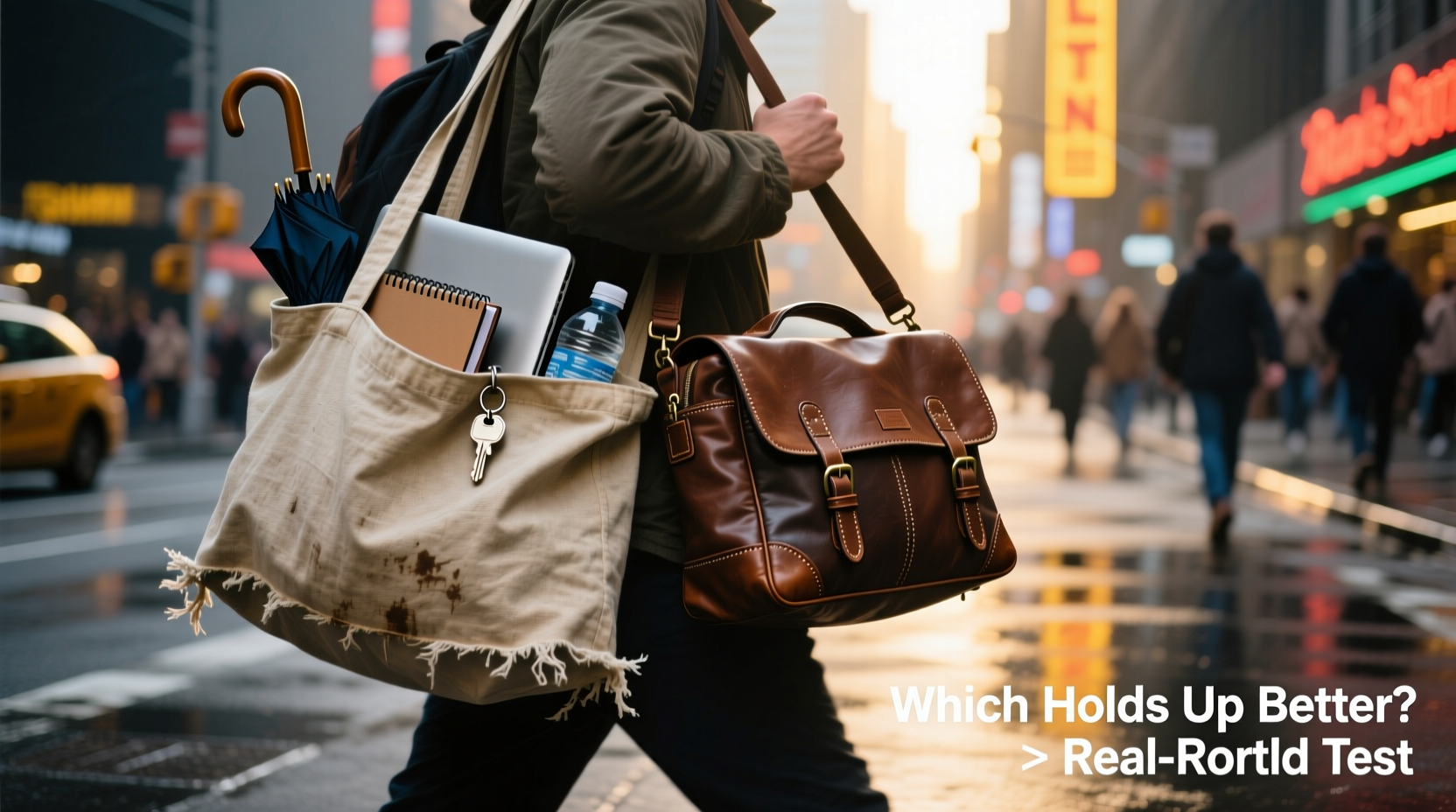
One of the most critical factors in determining a bag’s longevity is its build quality. Oversized totes are typically made from soft leathers, canvas, or nylon, prioritizing flexibility and volume over structure. This makes them prone to slouching, stretching, and shape loss over time—especially when consistently overloaded. The lack of internal framing means that heavy items like laptops or binders can distort the bag’s silhouette, leading to uneven wear at stress points such as handles and seams.
In contrast, structured satchels are engineered with reinforced frames, rigid sidewalls, and often include metal or plastic stays to maintain their form. These design elements distribute weight more evenly and resist deformation. High-end models use full-grain leather with double-stitched seams and solid hardware, significantly enhancing resistance to abrasion and impact. According to Maria Tran, a handbag designer with over 15 years in luxury accessories, “A well-made satchel is built like a briefcase—its architecture protects both contents and form. Totes offer utility, but without reinforcement, they degrade faster under daily load.”
“A structured satchel’s frame prevents collapse and reduces strain on stitching. That alone adds years to its usable life.” — Maria Tran, Handbag Designer
However, not all totes are created equal. Some premium brands now integrate semi-rigid bases and padded compartments to improve durability. Still, these hybrid designs rarely match the consistent structural integrity of a true satchel.
Organization and Daily Functionality
Functionality during a commute hinges on accessibility, security, and interior layout. Oversized totes win in terms of open space and ease of access. Their wide openings allow users to quickly grab items without fumbling. However, this openness becomes a liability in crowded environments—personal belongings are exposed, and small items easily sink to the bottom, creating clutter.
Structured satchels, by comparison, feature defined compartments, zippered closures, and dedicated slots for phones, pens, and tablets. This level of organization ensures that essentials stay in place, even during abrupt movements on public transport. Many also include lockable clasps or magnetic snaps that prevent accidental opening. For someone carrying sensitive documents or electronics, this added security is invaluable.
Yet, the trade-off is reduced flexibility. A satchel’s rigid interior may not accommodate irregularly shaped items like yoga mats or large water bottles. Totes, with their cavernous interiors, handle variable loads with ease—but at the cost of disarray.
Interior Layout Comparison
| Feature | Oversized Tote | Structured Satchel |
|---|---|---|
| Main Compartment Access | Open-top, unrestricted | Zipper or flap closure |
| Internal Organization | Limited pockets, often flat | Multilayered: slip, zip, tech pockets |
| Security Level | Low (open exposure) | High (secured closures) |
| Adaptability to Load Changes | Excellent | Moderate to low |
| Item Retrieval Speed | Fast but chaotic | Slower but precise |
The choice here depends on personal workflow. Creative professionals who switch tools frequently may prefer the tote’s fluidity. Office-based commuters who carry standardized gear benefit from the satchel’s order.
Ergonomics and Comfort Over Time
A bag’s impact on physical comfort is often overlooked until strain sets in. Oversized totes are typically carried on one shoulder, concentrating weight on a single point. When loaded beyond 10–12 pounds—common with laptops, chargers, and lunch—the uneven pressure can lead to neck tension, shoulder imbalances, and posture issues over weeks of use.
While some totes come with adjustable straps or optional cross-body configurations, their soft bodies tend to shift unpredictably, requiring constant readjustment. In contrast, structured satchels are designed with balanced weight distribution in mind. Many include padded, ergonomically shaped handles and optional detachable straps. Their firm base allows them to sit flush against the body or on desks without tipping.
A mini case study illustrates this difference: Sarah Lin, a marketing executive in Chicago, used an oversized canvas tote for her two-year downtown commute. By month ten, she reported recurring left-shoulder pain and noticed the bag’s base had warped from daily pavement contact. After switching to a structured leather satchel with a removable shoulder strap, she noted immediate improvements in both comfort and confidence. “It feels secure, doesn’t swing around, and I’m not constantly fishing for my keys,” she said.
For taller individuals or those using bicycles or scooters, the satchel’s predictable shape also minimizes snag risks. Totes, with loose straps and floppy sides, are more likely to catch on handlebars or door edges.
Lifespan and Long-Term Wear Resistance
How a bag ages under daily use reveals its true value. Oversized totes, particularly those made from untreated canvas or thin leather, show signs of wear within months. Common issues include:
- Fraying at stress points (handle attachments)
- Bottom surface scuffing from being placed on floors
- Color fading due to sun exposure
- Permanent creasing from overstuffing
Even high-quality totes require meticulous care to avoid premature breakdown. Without proper cleaning and storage, moisture absorption and fiber degradation accelerate.
Structured satchels, thanks to their robust materials and architectural design, generally outlast totes by 2–3 years under comparable conditions. Their hard bases protect against ground contact, and metal feet (on premium models) elevate the bag slightly, reducing abrasion. Solid zippers and lined interiors further enhance longevity.
A step-by-step guide to extending any bag’s lifespan applies universally, but is especially effective for satchels:
- Empty and clean weekly: Remove debris and wipe interior with a dry microfiber cloth.
- Deep clean every 3 months: Use material-specific cleaners—leather conditioner, fabric shampoo, etc.
- Rotate usage: Avoid daily reliance on a single bag to distribute wear.
- Store properly: Stuff with tissue paper to maintain shape; keep in a breathable dust bag.
- Inspect hardware monthly: Tighten loose rivets and lubricate zippers if needed.
Real-World Performance: Commuting Scenarios
To evaluate performance across different environments, consider three common commuter profiles:
Urban Professional (Subway & Walking)
Navigating packed trains and narrow platforms demands compactness and control. A structured satchel excels here—its defined edges prevent encroachment into others’ space, and secure closures deter pickpocketing. The tote’s bulk increases collision risk and makes boarding difficult during rush hour.
Hybrid Worker (Transit + Driving)
Those alternating between car and foot travel benefit from the tote’s quick-in, quick-out access when moving from vehicle to office. However, the satchel’s stability in car seats and resistance to sliding off surfaces gives it an edge in safety and convenience.
Freelancer or Creative (Cafés, Meetings, Errands)
This group values versatility and aesthetic flexibility. Totes accommodate sketchbooks, cameras, and samples effortlessly. Yet, frequent floor placement in coffee shops accelerates wear. A satchel remains cleaner and more professional-looking after repeated use in public spaces.
Checklist: Choosing the Right Bag for Your Commute
- ✅ Assess your average load (weight and item types)
- ✅ Evaluate your primary transit method (walking, subway, driving)
- ✅ Consider posture and physical comfort history
- ✅ Determine need for quick access vs. secure storage
- ✅ Prioritize material quality over trendiness
- ✅ Test carry options (shoulder, hand, cross-body)
- ✅ Check warranty and repair services offered by brand
Frequently Asked Questions
Can an oversized tote be as durable as a structured satchel?
Possibly, but only with exceptional materials and construction. Look for totes with reinforced bases, double-layered fabrics, and solid hardware. Even then, they will likely require more maintenance and show wear sooner than a comparably priced satchel.
Are structured satchels worth the higher price?
Yes, for daily commuters. Their longer lifespan, better protection for electronics, and ergonomic advantages justify the investment. Over three years, a $400 satchel used five days a week costs less per use than a $250 tote replaced annually.
How do weather conditions affect each bag type?
Totes made from absorbent materials like untreated canvas or suede suffer in rain, retaining moisture and developing mildew. Structured satchels often use water-resistant leather treatments or synthetic coatings, offering better protection. Always carry a lightweight rain cover regardless of style.
Final Verdict: Which Holds Up Better?
When judged solely on endurance, organization, and resilience during daily commutes, the structured satchel emerges as the superior performer. Its architectural design, protective features, and ergonomic advantages make it better equipped to handle the physical and environmental demands of regular urban travel. It maintains its appearance and function over years, not months.
That said, the oversized tote retains strong appeal for those whose needs prioritize volume and adaptability over precision and polish. With careful selection—choosing sturdy materials, reinforced bases, and smart carry options—it can still serve reliably, especially for lighter or less frequent commutes.
Ultimately, the best bag aligns with your lifestyle, not trends. If you move through crowded spaces, carry valuable gear, or spend hours on transit, the structured satchel offers unmatched durability and peace of mind. For creative roles or occasional heavy hauling, a high-quality tote can still deliver practical benefits—if you’re prepared for more frequent upkeep.




 浙公网安备
33010002000092号
浙公网安备
33010002000092号 浙B2-20120091-4
Comments
No comments yet. Why don't you start the discussion?