
In modern households, cleaning is inevitable—but how we clean matters more than ever. The choice between paper towels and reusable cloths goes beyond convenience; it touches on environmental impact, long-term cost, hygiene, and even daily efficiency. As sustainability becomes a central concern in everyday decisions, many are reevaluating their cleaning tools. While paper towels offer quick disposal and absorbency, reusable cloths promise reduced waste and lasting performance. But which truly delivers an eco-friendly cleaning experience without sacrificing cleanliness or creating more work?
This article breaks down the real-world implications of both options, backed by data, expert insights, and practical experience. Whether you're minimizing landfill contributions, lowering household expenses, or simply tired of restocking rolls every week, understanding the full scope of each method can help you make a smarter, cleaner choice.
The Environmental Cost of Paper Towels
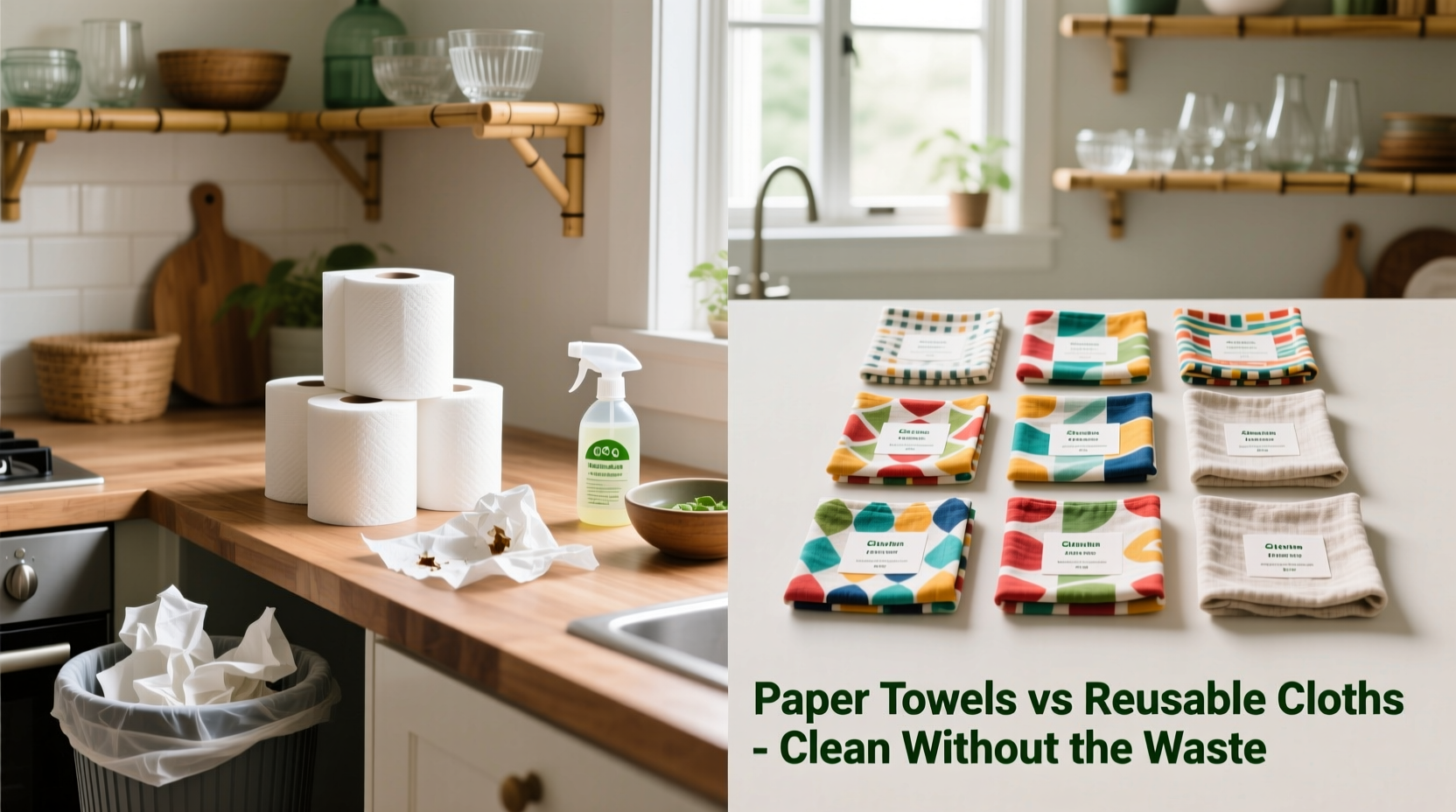
Paper towels are convenient—there’s no denying that. A quick grab, a wipe, and disposal. But this convenience comes at a steep ecological price. Most paper towels are made from virgin wood pulp, contributing to deforestation. According to the Natural Resources Defense Council (NRDC), the U.S. consumes over 13 billion pounds of paper towels annually. That’s equivalent to cutting down around 51,000 trees every day just for single-use wipes.
Manufacturing paper towels requires vast amounts of water and energy. On average, producing one ton of paper towels uses approximately 17,000 gallons of water and emits 1.5 tons of CO₂. Even when marketed as “recyclable,” most used paper towels end up in landfills due to contamination from grease, food, or cleaning chemicals. Once there, they decompose anaerobically, releasing methane—a greenhouse gas 25 times more potent than carbon dioxide.
The Rise of Reusable Cloths: Sustainability in Action
Reusable cloths—typically made from cotton, bamboo, microfiber, or hemp—offer a compelling alternative. Unlike paper towels, they’re designed for repeated use, often lasting months or even years with proper care. A single reusable cloth can replace hundreds of paper towel sheets over its lifespan.
Bamboo-based cloths, for example, are naturally antimicrobial and biodegradable. Cotton rags, especially those made from organic or upcycled materials, have low environmental footprints when washed efficiently. Microfiber options excel at trapping dust and bacteria but require mindful laundering to prevent microplastic shedding into waterways.
The production footprint of reusable cloths varies by material, but their long-term impact is significantly lower. A 2021 lifecycle analysis by the Swedish Environmental Research Institute found that reusable textile cloths generate up to 80% less CO₂ per year than their paper towel counterparts when used consistently across a household.
“Switching to reusable cleaning textiles is one of the easiest ways to reduce household waste without compromising hygiene.” — Dr. Lena Peters, Sustainable Materials Researcher, Chalmers University of Technology
Practical Comparison: Performance, Cost, and Convenience
Ultimately, the decision isn’t just about environmental ethics—it’s also about functionality. How do these two options stack up in real-life cleaning scenarios?
| Factor | Paper Towels | Reusable Cloths |
|---|---|---|
| Absorbency | High initially, but disintegrates when wet | Varies by fabric; cotton and bamboo highly absorbent |
| Durability | Single-use only | Can last 6–12 months with regular washing |
| Cleaning Power | Good for light spills, poor on sticky residue | Superior scrubbing ability; holds up to tough messes |
| Cost Over 1 Year | $150–$250 depending on brand and usage | $30–$60 (initial investment + minimal laundry cost) |
| Waste Generated | ~1,500–2,000 sheets per person annually | Nearly zero if properly maintained |
| Hygiene | High (disposed after use) | Depends on washing frequency; risk of bacterial growth if left damp |
The table reveals a clear trade-off: paper towels win on immediate hygiene and simplicity, while reusable cloths dominate in cost-efficiency, durability, and environmental responsibility. However, success with reusables hinges on consistent habits—namely, timely washing and proper storage.
Step-by-Step Guide to Transitioning to Reusable Cloths
Making the switch doesn’t have to be overwhelming. Follow this simple timeline to integrate reusable cloths into your routine without disruption:
- Week 1: Audit Your Current Use
Track how many paper towels you use daily. Note common tasks: wiping counters, drying hands, cleaning spills. This baseline helps determine how many cloths to purchase. - Week 2: Invest in Quality Cloths
Buy 8–12 reusable cloths in a mix of materials. Include 4 heavy-duty cotton for scrubbing, 4 bamboo for general wiping, and 2 microfiber for glass/surfaces. Look for OEKO-TEX certified fabrics to ensure chemical safety. - Week 3: Create a Cleaning Station
Place a designated basket or drawer near your sink labeled “Used Cloths.” Keep another bin nearby for “Clean & Ready” cloths. This visual system encourages proper sorting. - Week 4: Establish a Washing Routine
Add cloths to your weekly laundry cycle. Wash in warm water (not hot) with mild detergent. Avoid fabric softeners—they reduce absorbency. Air-dry or tumble dry on low. - Ongoing: Rotate and Replace
Retire cloths when frayed or stained. Repurpose old ones as workshop rags. Continue replacing only as needed—most last 6+ months.
Real Example: A Family’s Year Without Paper Towels
The Rivera family of Portland, Oregon, decided to eliminate paper towels entirely in January 2023. With two adults and three children, their kitchen saw constant action—spills, sticky fingers, pet accidents. Skeptical at first, they began with 15 mixed-material cloths and a new laundry rule: cloths were washed every Sunday and Wednesday.
Within weeks, they adapted. They kept color-coded cloths for different areas—blue for bathrooms, green for kitchen counters, yellow for dining tables. A small caddy held sprays and cloths under the sink for easy access. When their youngest spilled juice on the carpet, they grabbed a thick cotton rag, blotted the area, then tossed it in the bin for washing.
After one year, they calculated savings of $210 compared to their previous paper towel spending. More importantly, they diverted an estimated 1,800 sheets from landfills. “It felt weird at first,” said Maria Rivera, “but now it’s second nature. We don’t miss the paper rolls cluttering our cabinets.”
Common Misconceptions About Reusable Cloths
Despite growing popularity, several myths deter people from switching:
- Myth: Reusable cloths are unsanitary.
Truth: Regular washing at 60°C (140°F) kills most bacteria. Adding white vinegar to the rinse cycle boosts sanitation without harsh chemicals. - Myth: They’re high-maintenance.
Truth: Once integrated into laundry routines, they require no extra effort. Many users report fewer cleaning frustrations due to better performance. - Myth: All reusable cloths shed microplastics.
True only for synthetic blends like polyester microfiber. Opt for natural fibers like organic cotton or bamboo if concerned about microfibers.
Checklist: Building a Sustainable Cleaning System
Use this checklist to ensure a smooth, effective transition:
- ☐ Assess current paper towel usage patterns
- ☐ Purchase 8–12 reusable cloths in varied textures
- ☐ Designate storage bins for clean and dirty cloths
- ☐ Schedule weekly cloth washing (e.g., every Monday and Thursday)
- ☐ Label cloths by zone (kitchen, bathroom, floors) to prevent cross-contamination
- ☐ Use eco-friendly detergents and skip fabric softener
- ☐ Inspect cloths monthly for wear and tear
- ☐ Compost natural-fiber cloths at end of life
Frequently Asked Questions
Can I use reusable cloths for raw meat cleanup?
Yes, but with caution. Use a dedicated cloth (preferably microfiber or tightly woven cotton) for handling raw meat spills, and wash it immediately in hot water. Never let it sit in the bin. For high-risk households (e.g., immunocompromised members), consider disposable compostable wipes as a middle ground.
How many cloths do I need for a household of four?
Start with 10–12 cloths. This allows for daily use while accommodating laundry cycles. Adjust based on actual consumption after the first month. Busy kitchens may benefit from 15–18.
Are reusable cloths really more hygienic than paper towels?
When washed regularly, yes. Studies show that clean reusable cloths remove more bacteria from surfaces than paper towels. However, leaving soiled cloths in damp piles promotes microbial growth. Consistent washing is key.
Final Thoughts: Cleaning Smarter, Not Harder
The debate between paper towels and reusable cloths isn’t about perfection—it’s about progress. No solution is flawless, but reusable cloths offer a realistic, scalable path toward eco-friendly cleaning that doesn’t compromise on effectiveness. They save money, reduce clutter, and align with a growing cultural shift toward mindful consumption.
The initial effort of changing habits pays dividends in both environmental impact and long-term convenience. By investing in durable tools and establishing simple systems, households can maintain high standards of cleanliness while drastically cutting waste.
You don’t need to go all-in overnight. Start with one area—your kitchen counter, perhaps—and replace paper use with a single reusable cloth. See how it feels. Build from there. Small changes, consistently applied, create lasting transformation.




 浙公网安备
33010002000092号
浙公网安备
33010002000092号 浙B2-20120091-4
Comments
No comments yet. Why don't you start the discussion?