
Paprika is one of the world’s most versatile and visually striking spices, adding vibrant color and nuanced flavor to dishes from goulash to roasted vegetables. Yet, despite its widespread use, many home cooks overlook the importance of proper storage, fail to distinguish between its varieties, or underutilize its full culinary potential. Understanding how to store paprika correctly, recognize its flavor spectrum, and apply it effectively in cooking transforms it from a simple garnish into a foundational ingredient. This guide provides professional insights into maximizing paprika’s shelf life, selecting the right type for your dish, and using it with precision and confidence.
Definition & Overview
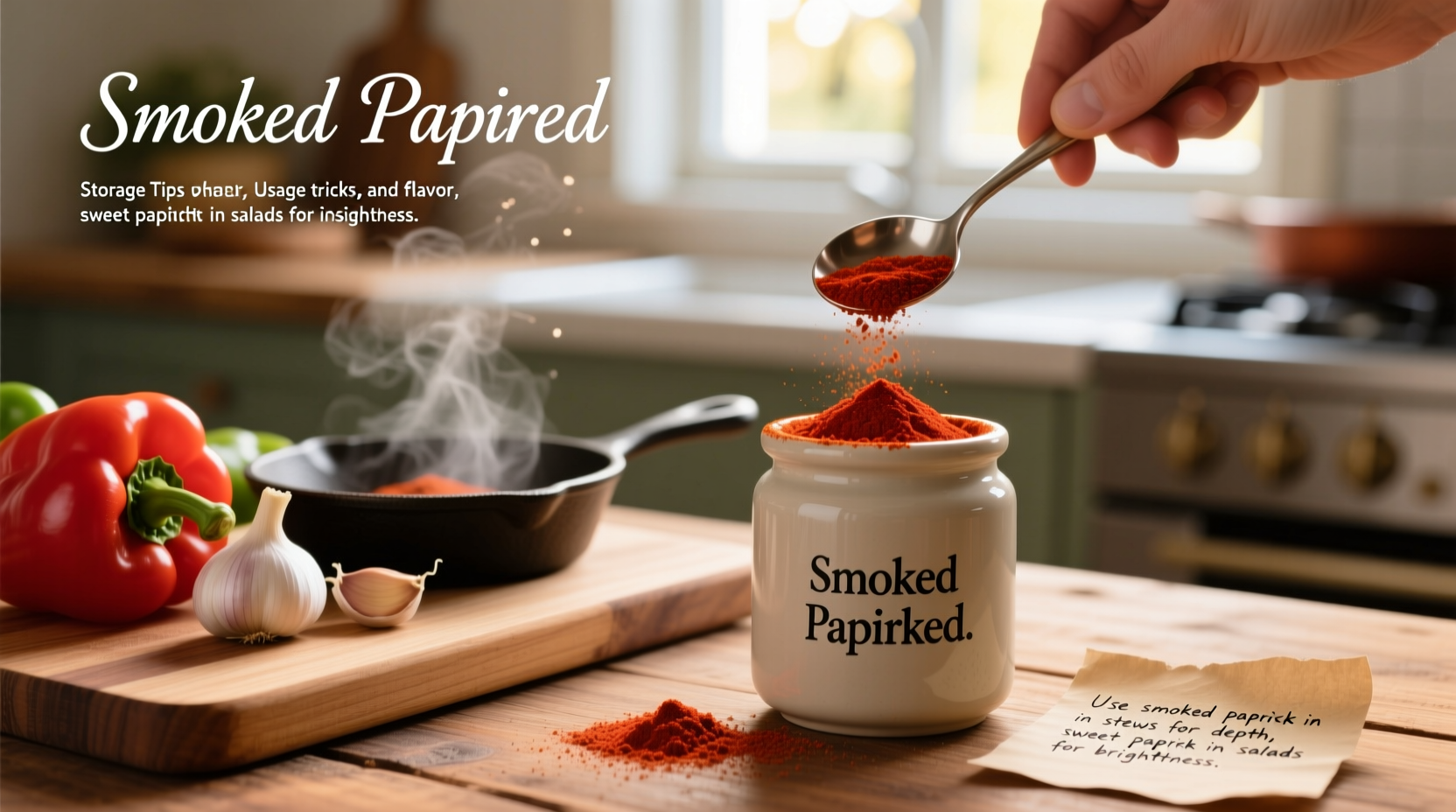
Paprika is a ground spice made from dried fruits of the Capsicum annuum pepper family, primarily sweet red peppers, though some varieties include spicier cultivars. Originating in Central Mexico, it was introduced to Europe through Spanish and Portuguese explorers. Hungary and Spain later developed their own distinct paprika traditions, now considered benchmarks for quality and regional style.
The spice ranges in flavor from mild and sweet to pungent and fiery, depending on the pepper variety and processing method. Its deep red hue comes from carotenoid pigments, particularly capsanthin, which also contribute antioxidant properties. Beyond coloring and seasoning, paprika plays a functional role in emulsification and aroma development when heated gently in oil—a technique central to many Eastern and Central European cuisines.
Key Characteristics
- Flavor Profile: Sweet, earthy, slightly fruity; can range from neutral and mild to smoky or sharply hot.
- Aroma: Fragrant and warm when fresh; stale paprika smells dusty or musty.
- Color: Bright red to deep brick-orange; a key visual marker of freshness and quality.
- Heat Level: Varies by type—measured on the Scoville scale from 0 (sweet) to 500–2,500 (hot).
- Culinary Function: Seasoning, coloring, aroma base (e.g., in sofrito or roux), and preservative (due to antioxidants).
- Shelf Life: 6 months to 1 year if stored properly; degrades faster when exposed to light, heat, or moisture.
TIP: Always check the aroma before use. Fresh paprika should smell sweet and slightly peppery. If it has no scent or smells flat, it has likely lost potency and should be replaced.
Variants & Types
Not all paprika is created equal. Regional production methods and pepper selection yield distinct types, each suited to specific culinary applications. Choosing the right variant elevates a dish from generic to authentic.
Sweet Paprika
The most common form, made from mild, ripe red peppers. It delivers rich color and a gentle sweetness without heat. Widely used in Hungarian cuisine for dishes like chicken paprikash and potato salads.
Smoked Paprika (Pimentón)
Originating in Spain, especially Extremadura, this version is dried over oak or holm wood fires, imparting a deep, campfire-like smokiness. Available in three subtypes:
- Dulce (Sweet): Mild and smoky, ideal for soups, stews, and deviled eggs.
- Agridulce (Medium): Balanced heat and smoke, less common but prized in regional Spanish cooking.
- Picante (Hot): Spicy and smoky, used in chorizo and spicy bean dishes.
Hot Paprika
Contains seeds and membranes from spicier pepper varieties. Offers noticeable heat while maintaining the characteristic paprika sweetness. Common in Serbian and Croatian cooking.
Hungarian vs. Spanish Paprika
Hungarian paprika emphasizes pepper variety and ripeness, producing a layered, floral sweetness. Spanish smoked paprika focuses on the smoking process, delivering bold, woody depth. The two are not interchangeable in traditional recipes.
Other Forms
- Paprika Oleoresin: A concentrated liquid extract used commercially for intense coloring.
- Instant or Flaked Paprika: Designed for rapid dispersion in sauces and dressings.
- Organic or Biodynamic Paprika: Gaining popularity for purity and environmental stewardship.
| Type | Heat Level | Flavor Notes | Best Uses |
|---|---|---|---|
| Sweet (Hungarian) | 0–100 SHU | Fruity, earthy, mildly sweet | Goulash, rice pilaf, egg salad |
| Smoked Dulce (Spanish) | 0–100 SHU | Deeply smoky, woody, caramelized | Paella, lentil stew, roasted nuts |
| Smoked Picante (Spanish) | 500–2,500 SHU | Spicy, smoky, robust | Chorizo, black beans, grilled meats |
| Hot (Central European) | 1,000–2,500 SHU | Sharp, peppery, moderately hot | Spicy sausages, pickled vegetables |
Practical Usage
Paprika is more than a garnish—it’s a dynamic ingredient that responds to technique. How and when you add it to a dish significantly affects flavor, color stability, and aroma release.
Bloom in Fat for Maximum Flavor
To unlock paprika’s full aromatic potential, bloom it in oil or butter over low heat. Heat helps dissolve fat-soluble compounds like carotenoids and volatilizes essential oils. However, excessive heat destroys delicate aromas and can make paprika taste bitter.
- Warm 1–2 tablespoons of oil or rendered fat in a pan over low heat.
- Add 1–2 teaspoons of paprika and stir continuously for 30–60 seconds.
- Proceed with adding onions, tomatoes, or liquids to stop further cooking.
This method forms the base of Hungarian *piros arany* (“red gold”) and Spanish sofrito. Avoid high heat—paprika burns at around 225°F (107°C), leading to acrid off-flavors.
Use as a Finishing Spice
For dishes where vibrancy matters—deviled eggs, hummus, or tzatziki—sprinkle paprika on just before serving. This preserves both color and volatile top notes. Smoked paprika, in particular, benefits from minimal heat exposure to retain its complex aroma.
Marinades and Dry Rubs
Paprika contributes color and subtle sweetness to meat rubs. Combine with garlic powder, onion, salt, and cumin for barbecue blends. In marinades, pair with acid (like vinegar or citrus) and oil to help disperse the pigment evenly.
PRO TIP: When making dry rubs, mix paprika with other spices at least 1 hour before use to allow flavor integration. Store unused rubs in airtight containers away from light.
Enhancing Plant-Based Dishes
Paprika adds umami depth and visual appeal to vegetarian and vegan cooking. Use smoked paprika in lentil soups, tofu scrambles, or mushroom gravies to mimic the richness of meat-based broths. A pinch enhances tomato sauces, roasted carrots, and even popcorn.
Pairing Suggestions
- With Alliums: Onions, garlic, and shallots amplify paprika’s sweetness when sautéed together.
- With Tomatoes: Synergistic in stews, sauces, and shakshuka.
- With Potatoes: Classic in roasted or fried potatoes; try dusting fries with smoked paprika and sea salt.
- With Dairy: Blends smoothly into sour cream, yogurt, or cheese dips.
- With Beans: Essential in chili, baked beans, and Spanish fabada.
Recommended Ratios
Start conservatively—paprika can dominate if overused. General guidelines:
- Per pound of meat or vegetables: 1–2 tsp sweet paprika, ½–1 tsp smoked or hot.
- In soups/stews (4–6 servings): 1–2 tbsp total, adjusted to type.
- As garnish: a light dusting (¼ tsp) suffices for visual impact.
\"Paprika is the soul of our kitchen. It’s not just a spice—it’s memory, warmth, and tradition in a jar.\" — Katalin Nagy, Hungarian home cook and culinary archivist
Comparison with Similar Ingredients
Paprika is often confused with other red-hued spices. Understanding the differences ensures accurate substitution and better results.
| Spice | Base Ingredient | Heat Level | Key Difference |
|---|---|---|---|
| Paprika | Sweet red peppers | Mild to hot | Bright red, sweet, often smoky; used raw or cooked |
| Cayenne Pepper | Ground dried cayenne chiles | 30,000–50,000 SHU | Sharper heat, less color, more acidic; not a direct substitute |
| Chili Powder (US) | Mix of ground chiles + cumin, garlic, etc. | Varies | Blended seasoning, not pure paprika; contains additives |
| Aleppo Pepper | Syrian/South Turkish chili | 10,000 SHU | Salt-like crystals, citrusy, moderate heat; used as finishing spice |
| Chipotle Powder | Smoked jalapeños | 2,500–8,000 SHU | Smoky but hotter and more pungent than smoked paprika |
Substitution note: In a pinch, replace sweet paprika with a mix of ¾ tsp chili powder + ¼ tsp cumin per teaspoon—but expect flavor deviation. For smoked paprika, no true substitute exists; liquid smoke is unreliable and artificial-tasting.
Practical Tips & FAQs
How should I store paprika to maintain freshness?
Store in an airtight container in a cool, dark cupboard—never above the stove or near the oven. Exposure to heat, light, and oxygen accelerates degradation of color and flavor. Glass jars with tight seals are ideal. Avoid plastic bags or cardboard tubes, which offer poor protection.
Does paprika go bad?
It doesn’t spoil like perishable foods, but it loses potency. Ground paprika begins fading after 6 months. Signs of deterioration include dull color, weak aroma, and flat taste. While safe to consume, degraded paprika contributes little to a dish.
Can I freeze paprika?
Freezing is unnecessary and risks moisture absorption. If you buy in bulk, divide into small portions and store in vacuum-sealed or mylar-lined containers at room temperature.
Is organic paprika worth the extra cost?
Yes, for two reasons: reduced pesticide residue and often superior sourcing. Organic paprika tends to come from smaller farms with careful drying practices, preserving more volatile oils. The color and aroma are frequently more vibrant.
Why does my paprika clump?
Moisture is the culprit. Never use a wet spoon to scoop paprika. Some producers add anti-caking agents (like silica), but these can affect texture in smooth sauces. To break up clumps, sift through a fine-mesh strainer.
What dishes showcase paprika best?
- Hungarian Goulash – slow-cooked with onions, beef, and sweet paprika.
- Spanish Patatas Bravas – potatoes roasted with smoked paprika and garlic.
- Chicken Paprikash – creamy stew thickened with sour cream and paprika-infused broth.
- Deviled Eggs – yolk filling tinted and flavored with sweet or smoked paprika.
- Shakshuka – North African-inspired tomato and egg dish enhanced with paprika.
Can I make my own paprika?
Yes, though it requires access to high-quality red peppers and controlled drying. Roast or air-dry ripe red bell peppers and mild chiles until brittle, then grind in a spice mill. Smoking can be simulated using a smoker box or liquid smoke (sparingly). Homemade versions lack commercial consistency but offer personalization.
STORAGE CHECKLIST:
☐ Store in opaque, airtight container
☐ Keep away from heat sources
☐ Label with purchase date
☐ Replace every 12 months, or sooner if aroma fades
☐ Buy whole dried peppers and grind as needed for peak freshness
Summary & Key Takeaways
Paprika is a deceptively powerful spice whose value extends far beyond color. Recognizing the differences between sweet, hot, and smoked varieties allows precise application in global cuisines. Proper storage—cool, dark, and dry—is non-negotiable for preserving its vibrant hue and aromatic complexity. Blooming in fat unlocks its deepest flavors, while finishing applications highlight its visual appeal.
Understanding paprika means respecting its fragility: it burns easily, fades quickly, and cannot be revived once stale. But when handled with care, it becomes a cornerstone of flavor architecture in both rustic and refined cooking. Whether you’re stirring it into a simmering stew or dusting it over avocado toast, treat paprika not as a background player, but as a lead ingredient deserving of attention.
Next time you reach for paprika, pause to consider the type, freshness, and technique. A moment’s thought can transform an ordinary dish into something extraordinary.




 浙公网安备
33010002000092号
浙公网安备
33010002000092号 浙B2-20120091-4
Comments
No comments yet. Why don't you start the discussion?