
In cities where parking enforcement is strict and fines are steep, choosing the right method to manage your parking session can mean the difference between a smooth day and an unexpected $75 ticket. Two common options dominate the conversation: traditional parking plates and modern smart parking apps. While one relies on physical presence and simplicity, the other leverages GPS, real-time alerts, and digital convenience. But which truly helps you avoid tickets more effectively? The answer isn’t as straightforward as it seems — it depends on location, user behavior, and local regulations.
How Parking Plates Work (And Where They Fall Short)
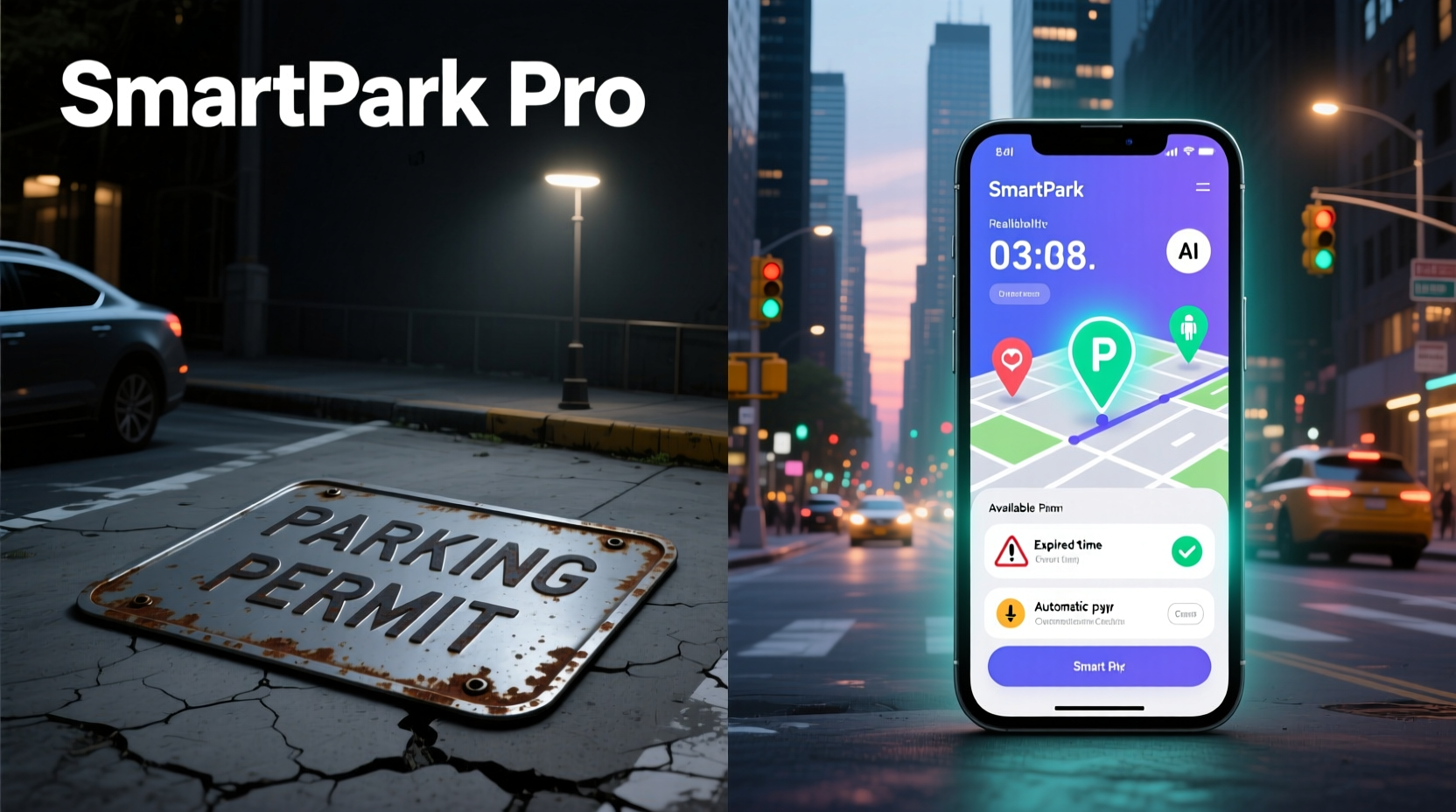
A parking plate — sometimes called a parking disc or dashboard clock — is a small, manually operated device placed on your car’s dashboard. You rotate its face to display the time you parked, typically in 15- or 30-minute increments. In some European countries like Germany and France, this system is legally recognized and widely used. However, in most U.S. cities, parking plates are not officially sanctioned and offer no legal protection against tickets.
Despite their low-tech appeal, parking plates have critical limitations:
- No enforcement recognition: Most U.S. parking enforcement officers ignore dashboard clocks unless explicitly allowed by local ordinance.
- Human error: Forgetting to set the time, misreading the dial, or accidentally knocking it over defeats its purpose.
- Visibility issues: Tinted windshields, glare, or placement behind steering wheels can make the displayed time illegible.
- No reminders: Unlike digital tools, they don’t alert you when time is running out.
The Rise of Smart Parking Apps: Convenience Meets Accountability
Smart parking apps like ParkMobile, SpotHero, and PayByPhone have transformed urban parking. These platforms allow users to pay for parking via smartphone, extend sessions remotely, receive countdown alerts, and even locate available spots. More importantly, they create a digital timestamp verified by GPS and payment records — something enforcement systems increasingly recognize.
Key advantages include:
- Real-time notifications: Get alerts five minutes before expiration, allowing remote extension.
- Digital proof of payment: Your transaction history serves as evidence if a ticket is issued in error.
- Integration with city systems: Many municipalities partner directly with these apps, making them legally valid.
- Time-saving: No need to walk back to your car or hunt for change.
“Cities are moving toward digital-first parking solutions. Apps that provide traceable, time-stamped transactions are far more reliable than any manual method.” — David Lin, Urban Mobility Analyst at Smart Cities Institute
Head-to-Head Comparison: Parking Plate vs Smart App
| Feature | Parking Plate | Smart Parking App |
|---|---|---|
| Legal Recognition | Limited (mostly EU) | Widely accepted in North America |
| User Error Risk | High (manual setup) | Low (automated timing) |
| Session Extension | Impossible | Remote via app |
| Proof of Payment | None (visual only) | Digital receipt & GPS log |
| Cost | $5–$15 one-time | Free to download; service fees apply |
| Battery/Connectivity Dependence | None | Required (app fails without signal) |
Real-World Scenario: A Close Call in Seattle
Consider Sarah, a freelance designer who parks daily in downtown Seattle. One morning, she arrives at 9:15 a.m., sets her $10 parking plate to reflect her arrival time, and heads into a client meeting. She forgets about her two-hour limit. At 11:20 a.m., an enforcement officer walks by. Despite the plate being visible, the city does not recognize such devices. A $68 ticket is issued.
The next week, Sarah downloads ParkMobile. She starts a 2-hour session at 9:15 a.m. Fifteen minutes before expiration, her phone buzzes: “Your parking ends soon. Extend for another hour?” She taps “Extend,” pays $3.50, and avoids a fine — all without leaving her meeting.
This case illustrates a growing trend: analog tools may seem simpler, but they lack integration with modern enforcement systems. Digital solutions, despite occasional connectivity hiccups, offer proactive protection.
Step-by-Step: How to Maximize Ticket Avoidance Using Technology
- Download and verify: Install a city-approved parking app (check municipal website).
- Create an account: Add payment info and license plate number.
- Start session: Upon parking, enter zone number and duration.
- Enable notifications: Turn on push alerts for expiration warnings.
- Monitor and extend: Respond to alerts promptly; use remote extension.
- Save receipts: Keep digital records for at least 30 days in case of disputes.
When a Parking Plate Might Still Be Useful
While smart apps dominate in effectiveness, parking plates aren’t entirely obsolete. They serve niche purposes:
- Backup reference: As a visual reminder of when you parked, especially if you’re off-grid or conserving battery.
- International travel: Required in certain EU zones for time-limited parking.
- Non-metered areas: In rare neighborhoods where time enforcement exists but payment isn’t required, a plate can help self-regulate.
However, relying solely on a plate in a major U.S. city is a gamble. Without official recognition, it's functionally decorative.
Frequently Asked Questions
Can I get a ticket even after paying via app?
Yes, though it’s less common. Errors occur due to GPS inaccuracies, incorrect zone entry, or system delays. If ticketed despite valid payment, submit the digital receipt to the city’s appeals portal — most will reverse the charge.
Do parking apps work in all cities?
No. Coverage varies by location. Major metro areas like New York, Chicago, and San Francisco have broad support, but smaller towns may still rely on meters or paper permits. Always check app availability before assuming compatibility.
Is there a risk of hacking or data theft with parking apps?
Reputable apps use encryption and comply with data privacy standards. However, use strong passwords and avoid public Wi-Fi when entering payment details. Disable auto-save for sensitive information if sharing devices.
Final Verdict: Why Smart Apps Win for Ticket Prevention
The data is clear: smart parking apps are significantly more effective at preventing tickets than parking plates. They offer verifiable payment trails, real-time alerts, and remote control — features that align with how cities enforce parking today. Parking plates, while nostalgic and simple, operate in a pre-digital era of assumptions and visibility, neither of which hold weight with automated enforcement systems.
That said, technology isn’t foolproof. Dead batteries, poor signal, or user neglect can still lead to violations. The best strategy combines a reliable app with disciplined habits: enabling notifications, double-checking zone numbers, and reviewing session logs.
“The future of parking compliance is digital accountability. Manual methods simply can’t compete with timestamped, geofenced transactions.” — Maria Tran, Director of Transportation Innovation, CityGrid Labs
Take Action Today to Protect Your Wallet
Avoiding parking tickets isn’t about luck — it’s about using the right tools consistently. If you’re still relying on a dashboard clock, it’s time to upgrade. Download your city’s recommended parking app, set up your profile, and run a test session. Small habits today prevent costly surprises tomorrow. Share your experience in the comments — what worked for you, and what lessons did you learn the hard way?




 浙公网安备
33010002000092号
浙公网安备
33010002000092号 浙B2-20120091-4
Comments
No comments yet. Why don't you start the discussion?