
In the ever-evolving world of fashion, two bold aesthetic movements have reemerged with renewed energy: patchwork and color block dresses. Both celebrate vibrant expression, but they do so through fundamentally different design philosophies. Patchwork embraces asymmetry, texture, and narrative through fabric collage, while color blocking relies on clean lines, intentional contrast, and modern minimalism. As seasonal runways from Milan to Seoul spotlight these styles, a pressing question arises—which one holds greater stylistic relevance today? The answer isn't binary, but understanding their current cultural resonance, wearability, and styling potential can guide your next wardrobe investment.
The Rise of Maximalism and Craft-Centric Design
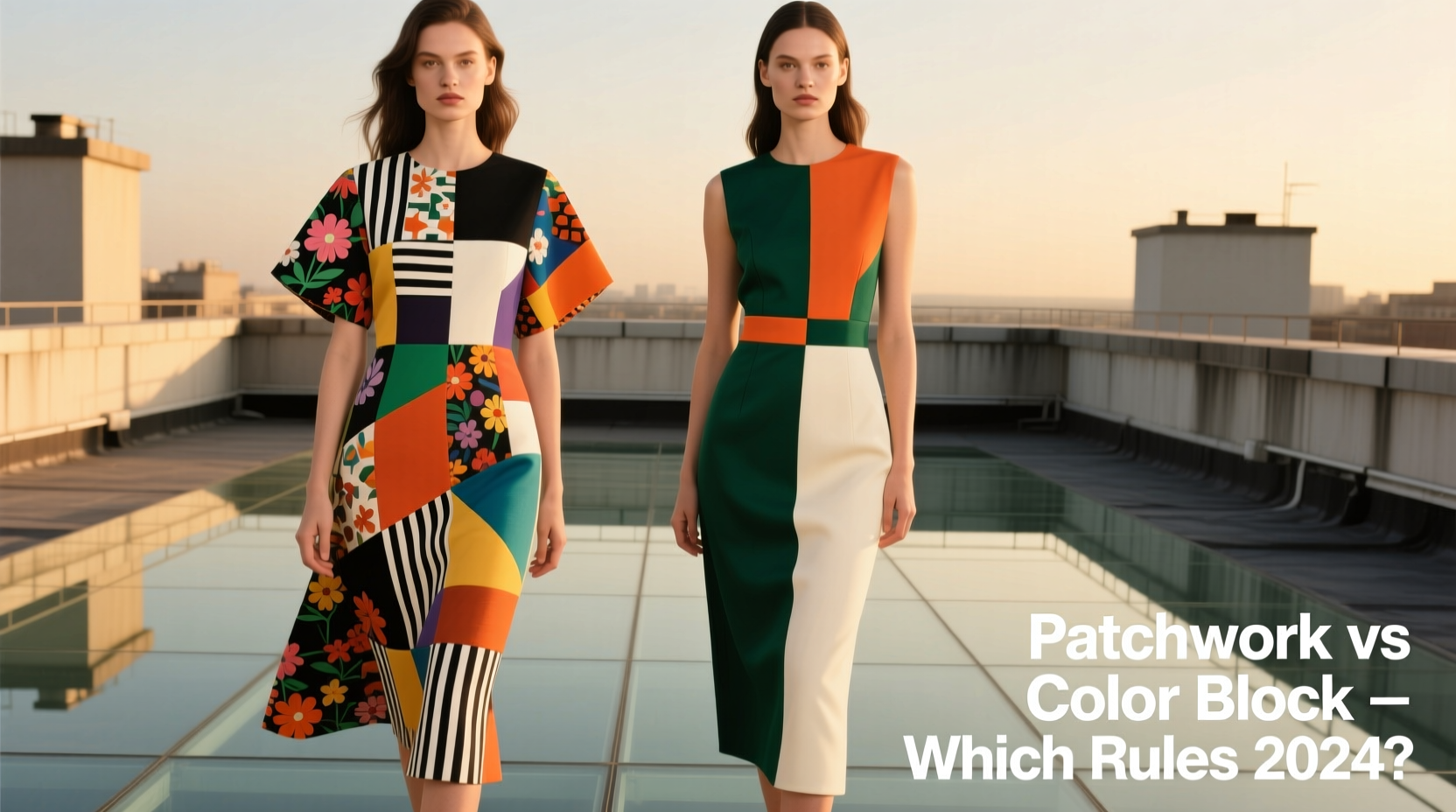
Patchwork dresses have surged in popularity due to a broader cultural shift toward sustainability, individuality, and artisanal craftsmanship. Designers like Marine Serre, Richard Quinn, and Collina Strada have championed patchwork as both an aesthetic and ethical statement—repurposing vintage textiles, deadstock fabrics, and upcycled materials into cohesive, often chaotic, visual stories. This approach aligns with Gen Z’s preference for unique, non-mass-produced pieces that carry emotional or historical weight.
What sets patchwork apart is its unpredictability. No two dresses are identical. A single garment might combine floral cotton from the '70s, striped denim remnants, and silk scraps from past collections, stitched together in a deliberate yet seemingly spontaneous layout. The result is a wearable art piece that resists fast fashion norms.
The Power of Precision: Color Blocking in Modern Fashion
Color blocking, by contrast, is rooted in architectural design principles. It emerged in the 1960s under designers like Yves Saint Laurent and has been revived consistently—most recently by brands such as Bottega Veneta, Khaite, and The Row. This technique uses large, geometric sections of solid colors to create striking silhouettes. Think bold magenta sleeves against a cobalt bodice, or a high-neck midi dress split vertically between ochre and charcoal gray.
The appeal lies in control and intentionality. Unlike patchwork, which celebrates randomness, color blocking thrives on balance, proportion, and harmony. It’s fashion as graphic design—a deliberate use of hue to sculpt the body and command attention. In 2024, color block dresses dominate editorial spreads and red carpets for their sleek, camera-ready impact.
“Color blocking isn’t just about boldness—it’s about spatial intelligence in fashion. It reshapes perception of volume and form.” — Luca Moretti, Fashion Designer & Educator at Polimoda
Comparative Analysis: Style, Versatility, and Wearability
To determine which trend is more stylish *right now*, we must assess not only runway presence but also real-world functionality. The following table breaks down key aspects of both styles:
| Factor | Patchwork Dresses | Color Block Dresses |
|---|---|---|
| Current Trend Momentum | High (driven by sustainability narratives) | Very High (editorial favorite) |
| Versatility | Moderate (best for casual or artistic settings) | High (works from office to evening) |
| Styling Ease | Low (requires careful accessory pairing) | High (easy to match with neutrals) |
| Sustainability Factor | Very High (often made from upcycled materials) | Low to Moderate (typically new fabric) |
| Longevity | High (unique pieces age well) | Moderate (trend-sensitive palettes may date) |
While patchwork wins on originality and eco-conscious appeal, color blocking edges ahead in adaptability and professional appropriateness. For many consumers, this makes it the more “stylish” choice—not because it's inherently superior, but because it integrates seamlessly into diverse wardrobes.
Real-World Example: Two Women, Two Choices
Consider Sarah, a 32-year-old creative director in Berlin. She owns a hand-stitched patchwork dress made from repurposed vintage scarves. She wears it to gallery openings and weekend markets. It reflects her values and becomes a conversation starter. But she rarely wears it to client meetings—its eclectic nature feels out of sync with corporate expectations.
Then there’s Naomi, a PR consultant in New York. Her navy-and-saffron color block wrap dress has become a staple. She pairs it with nude heels for boardroom presentations, adds a blazer for winter, and swaps in metallic sandals for dinner events. Its structured aesthetic communicates confidence without sacrificing flair. In a recent campaign launch, three colleagues independently complimented her outfit—proof of its broad stylistic approval.
This contrast illustrates a key insight: color block dresses currently offer wider social utility, making them more “stylish” in the sense of socially validated fashion choices.
How to Choose Based on Your Lifestyle
Selecting between patchwork and color block shouldn’t hinge solely on trends. Instead, consider your daily routine, personal brand, and long-term style goals. Use this checklist to guide your decision:
- ✅ Do you work in a creative or informal industry? → Patchwork may align better.
- ✅ Do you value sustainability and slow fashion? → Patchwork supports ethical consumption.
- ✅ Do you attend formal events or client-facing roles regularly? → Color block offers polished versatility.
- ✅ Are you drawn to minimalist aesthetics or architectural lines? → Color blocking complements this taste.
- ✅ Do you want a statement piece that stands out? → Patchwork delivers unmatched uniqueness.
- ✅ Do you prefer mixing and matching within a capsule wardrobe? → Color block integrates more easily.
Frequently Asked Questions
Can I wear a patchwork dress to the office?
Yes, but with caution. Opt for subdued color combinations and structured silhouettes (like sheath or shirt-dress cuts). Pair with minimalist footwear and a solid tote. Avoid overly busy patterns in conservative environments.
Are color block dresses flattering for all body types?
When designed thoughtfully, yes. Strategic color placement can accentuate proportions—darker shades on areas you wish to minimize, bolder hues to highlight. Look for seams that follow natural curves rather than cutting across them awkwardly.
Which trend is expected to last longer?
Patchwork has deeper roots in global textile traditions and sustainability movements, suggesting long-term staying power. Color blocking cycles in and out every 5–7 years; its current peak may taper by 2026 unless reinterpreted innovatively.
Final Verdict: What’s More Stylish in 2024?
Right now, color block dresses hold a slight edge in mainstream stylishness. They dominate high-fashion editorials, align with the “quiet luxury” adjacent trend of confident simplicity, and transition effortlessly across occasions. Their precision appeals to a global audience seeking polished individuality.
However, patchwork is gaining cultural momentum as fashion confronts its environmental impact. It represents rebellion against uniformity and honors craft in an age of digital saturation. While less universally wearable, it carries greater emotional and ethical weight.
The most stylish choice ultimately depends on how you define style. Is it about fitting in with what’s celebrated? Or standing out with what matters? For those prioritizing versatility and modern elegance, color block is the smarter pick. For those valuing authenticity and narrative depth, patchwork remains unmatched.




 浙公网安备
33010002000092号
浙公网安备
33010002000092号 浙B2-20120091-4
Comments
No comments yet. Why don't you start the discussion?