
Hosiery is more than a finishing touch—it’s a silent communicator of style, professionalism, and personal expression. From sheer nylons in boardrooms to bold fishnets at fashion shows, the choice between patterned and plain hosiery carries subtle but significant weight. While some view it as a minor wardrobe decision, others treat it as a strategic element of self-presentation. So, does the design really matter? The answer isn’t just yes or no—it depends on context, intention, and the message you want to convey.
The Functional Foundations of Hosiery
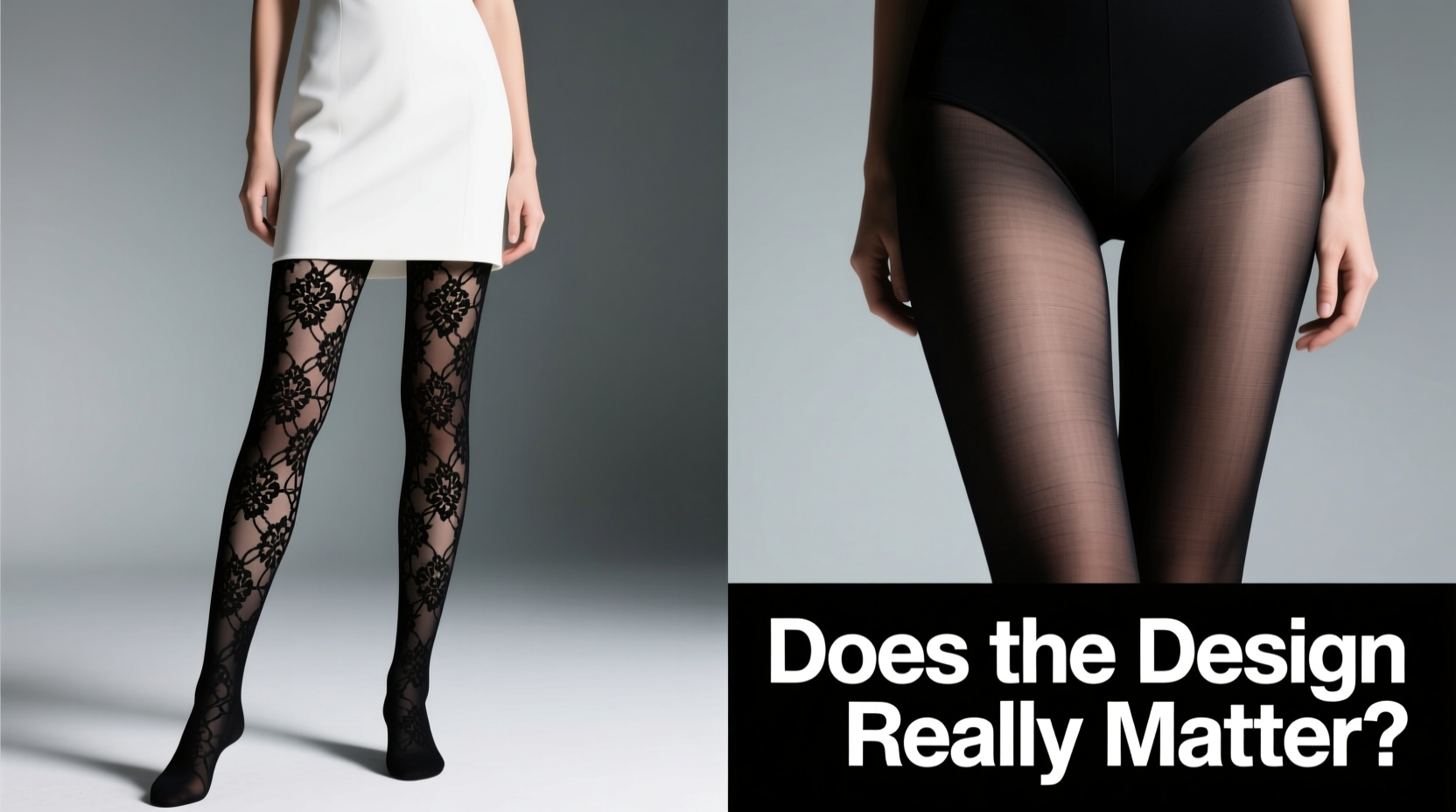
Before diving into aesthetics, it’s important to recognize that hosiery serves practical purposes. It can smooth skin tone, regulate temperature, prevent chafing, and extend the wearability of delicate footwear. Plain hosiery—typically solid black, nude, or gray—excels in versatility and discretion. Its strength lies in its ability to blend seamlessly with any outfit, making it a staple in professional environments and formal events.
Patterned hosiery, on the other hand, includes lace trims, geometric cuts, polka dots, stripes, floral prints, and fishnet weaves. These designs are inherently expressive. They draw attention, create visual interest, and often serve as statement pieces. Unlike plain hosiery, which aims to be invisible, patterned versions are designed to be seen—and appreciated.
When Design Matters: Context Is Everything
The relevance of hosiery design shifts dramatically depending on setting and purpose. In corporate offices, plain hosiery remains the standard. A 2023 workplace attire survey by *Style & Profession* found that 78% of HR managers associate sheer nude or black tights with professionalism, while only 22% viewed bold patterns as appropriate—even in creative industries.
However, in fashion-forward spaces—art galleries, editorial shoots, or evening events—patterned hosiery becomes not just acceptable but celebrated. Designers like Vivienne Westwood and Alexander McQueen have long used textured and printed tights to challenge norms and elevate ensembles. “Hosiery is the skin you choose to show,” says fashion historian Dr. Lila Monroe. “A pattern isn’t decoration; it’s dialogue.”
Professional Settings: The Case for Plain
- Neutrality: Nude or black tights don’t distract from your message or role.
- Uniformity: Often required in service industries and formal roles.
- Timelessness: Plain styles transcend seasonal trends.
Creative & Social Environments: Where Patterns Shine
- Self-expression: Patterns reflect personality and mood.
- Outfit cohesion: Can tie together colors or themes in an ensemble.
- Fashion innovation: Used by stylists to add depth and texture.
“Consistency in professional appearance builds trust. But creativity in personal style builds identity.” — Dr. Lila Monroe, Fashion Historian
Comparative Breakdown: Patterned vs Plain Hosiery
| Feature | Plain Hosiery | Patterned Hosiery |
|---|---|---|
| Versatility | High – works with nearly any outfit | Moderate – best with complementary styles |
| Durability | Generally higher due to uniform weave | Lower – intricate patterns may snag easily |
| Formality | Ideal for business, interviews, ceremonies | Better suited for casual, artistic, or themed events |
| Style Impact | Subtle, blending | Strong, attention-grabbing |
| Seasonal Use | Year-round (sheer in summer, opaque in winter) | Often seasonal or trend-dependent |
A Real-World Example: Two Job Interviews, Two Choices
Sophie, a graphic designer, applied for two similar roles—one at a traditional marketing firm, the other at a boutique creative agency. For the first interview, she wore a tailored navy suit with sheer nude plain tights and closed-toe pumps. She was offered the position within a week. Her interviewer later commented, “You looked polished and ready to work.”
For the second interview, Sophie opted for a modern blazer dress with black-and-white striped tights and ankle boots. The agency loved her portfolio and praised her “bold aesthetic.” She got the job—but not without feedback: “We appreciate your edge, but we’d tone down the accessories in client meetings.”
This mini case study illustrates how hosiery design influences perception. Neither choice was wrong—but each sent a different signal. The plain hosiery projected reliability; the patterned pair emphasized creativity.
How to Choose: A Step-by-Step Decision Guide
Selecting between patterned and plain hosiery doesn’t need to be arbitrary. Follow this logical process to make intentional choices:
- Assess the occasion: Is it formal, casual, creative, or conservative?
- Consider your role: Are you leading a meeting, attending a party, or presenting ideas?
- Evaluate your outfit: Does it already have strong visual elements? If so, plain hosiery may balance it.
- Think about your audience: Will they value subtlety or originality?
- Check fabric and fit: Ensure the hosiery feels comfortable and moves naturally with you.
- Test the look: Walk in front of a mirror. Does the hosiery enhance or distract?
Common Myths About Hosiery Design
Several misconceptions persist about what hosiery “says” about the wearer:
- Myth: Patterned tights are unprofessional.
Reality: In many creative fields, they’re a sign of confidence and flair. - Myth: Plain tights are boring.
Reality: Their elegance lies in restraint—they let your skills speak louder than your socks. - Myth: Fishnets can’t be worn during the day.
Reality: Paired with a midi skirt and loafers, fine-mesh black tights can be office-appropriate in progressive workplaces.
Building a Balanced Hosiery Wardrobe: A Checklist
To stay prepared for any situation, maintain a mix of both types. Here’s what to keep on hand:
- ✅ 1–2 pairs of sheer nude tights (for work, weddings, interviews)
- ✅ 1–2 pairs of opaque black tights (winter wear, evening events)
- ✅ 1 pair of subtle textured tights (ribbed or lightly shimmered)
- ✅ 1–2 pairs of patterned tights (e.g., polka dot, thin stripe, or small floral)
- ✅ 1 statement pair (fishnet, bold print) for creative outings
- ✅ Seamless toe options for open-toe shoes
- ✅ Anti-slip silicone bands for all pairs to prevent slippage
Frequently Asked Questions
Can I wear patterned hosiery to a job interview?
It depends on the industry. In finance, law, or healthcare, stick to plain. In fashion, design, or tech startups, a subtle pattern may be acceptable if it aligns with company culture. When unsure, default to neutral tones.
Do patterned tights make legs look larger?
Some patterns, like large florals or horizontal stripes, can create optical expansion. Vertical lines or small repeating motifs tend to elongate. For slimming effect, choose dark base colors with fine detailing.
How do I care for delicate patterned hosiery?
Hand wash in cool water with mild detergent. Avoid wringing or hanging in direct sunlight. Lay flat to dry. Store folded in a drawer—not rolled—to prevent snags.
Final Thoughts: Design Does Matter—But Not Always How You Think
The difference between patterned and plain hosiery isn’t just about looks—it’s about intent. Plain hosiery supports invisibility when you want your words, not your wardrobe, to lead the conversation. Patterned hosiery invites engagement, signaling playfulness, artistry, or rebellion. Neither is superior; each has its moment.
In today’s world, where personal branding matters across Zoom calls and social media appearances, even small details like hosiery contribute to your narrative. The key is alignment: ensure your choice matches your goal. Whether you're aiming to impress, inspire, or simply feel confident, the right pair—plain or patterned—can help you get there.




 浙公网安备
33010002000092号
浙公网安备
33010002000092号 浙B2-20120091-4
Comments
No comments yet. Why don't you start the discussion?