
Peach trees are a rewarding addition to any orchard or backyard garden, offering both beautiful blossoms and delicious fruit. However, when the leaves begin to curl, it’s often a sign that something is amiss. Leaf curl in peach trees can stem from various factors—ranging from pests and diseases to environmental stress and improper care. Ignoring these symptoms may lead to reduced fruit production, weakened tree vigor, or even tree death. Understanding the root causes and applying timely, effective solutions is essential for maintaining a healthy, productive peach tree.
Understanding Peach Leaf Curl: The Most Common Culprit
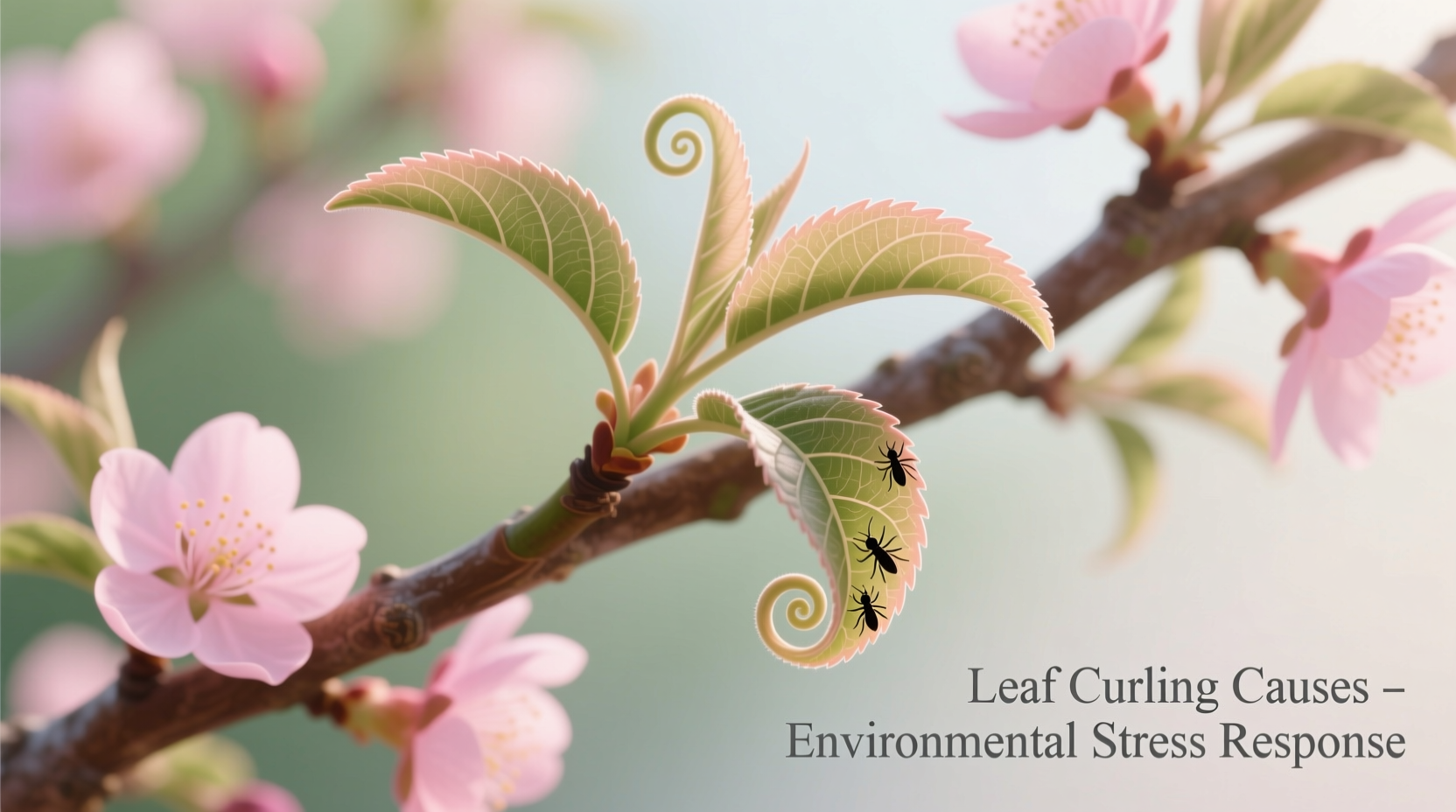
One of the most frequent causes of leaf curling in peach trees is the fungal disease known as Taphrina deformans, commonly referred to as peach leaf curl. This disease primarily affects new growth in early spring, causing leaves to thicken, pucker, and twist into distorted shapes. Initially, affected leaves may appear pale green or yellow before turning red or purple and eventually developing a grayish powdery coating as spores form.
The fungus overwinters in bark crevices and bud scales, becoming active during cool, wet conditions in late winter and early spring. Once infected, the tree expends energy producing deformed foliage instead of flowers and fruit, leading to diminished yields.
Other Causes of Leaf Curling in Peach Trees
While peach leaf curl disease is a primary suspect, several other issues can also cause similar symptoms. It's important to diagnose the problem accurately before treatment.
1. Aphid Infestation
Aphids are small, soft-bodied insects that cluster on the undersides of leaves and suck sap from tender shoots. Their feeding causes leaves to curl inward, providing them shelter and protection from predators. Look for sticky honeydew residue or black sooty mold as secondary signs.
2. Water Stress
Inconsistent watering—either too much or too little—can lead to physiological leaf curl. Under drought conditions, leaves may curl upward as a defense mechanism to reduce surface area and water loss. Conversely, overwatering can suffocate roots, impairing nutrient uptake and leading to curled, yellowed foliage.
3. Nutrient Deficiencies
Lack of essential nutrients such as nitrogen, potassium, or zinc can manifest in leaf distortion. Nitrogen deficiency causes pale, stunted growth; potassium deficiency leads to marginal scorching and cupping; zinc deficiency results in small, narrow leaves with wavy margins.
4. Herbicide Drift
Exposure to herbicides like 2,4-D or dicamba—even in trace amounts carried by wind—can cause severe leaf curling, twisting, and strapping. These symptoms often appear suddenly after nearby lawn or field treatments.
5. Environmental Factors
Sudden temperature fluctuations, strong winds, or excessive sun exposure can physically damage young leaves, resulting in temporary curling. While usually not fatal, prolonged exposure weakens the tree over time.
“Peach leaf curl can reduce fruit yield by up to 90% if left untreated. Prevention is far more effective than attempting to cure an active infection.” — Dr. Linda Harper, Extension Horticulturist, University of California Cooperative Extension
Step-by-Step Guide to Diagnosing and Treating Leaf Curl
Follow this systematic approach to identify and resolve the cause of leaf curl in your peach tree:
- Inspect Timing and Pattern: Note when curling began. If it occurs in early spring on emerging leaves, suspect fungal disease. If throughout the growing season, check for pests or environmental stress.
- Examine Leaves Closely: Use a magnifying glass to look for aphids, mites, or fungal spores. Check both upper and lower surfaces.
- Assess Soil Moisture: Dig a few inches into the soil near the trunk. Is it dry, soggy, or well-balanced? Adjust irrigation accordingly.
- Review Recent Chemical Exposure: Consider whether herbicides were used nearby or if drift could have occurred.
- Test Soil Nutrients: Perform a soil test to identify deficiencies. Many cooperative extension offices offer affordable testing kits.
- Prune Affected Areas: Remove severely damaged or diseased branches to improve air circulation and reduce pathogen load.
- Apply Targeted Treatment: Choose the appropriate solution based on diagnosis (see table below).
Effective Solutions at a Glance
| Cause | Symptoms | Solutions |
|---|---|---|
| Peach Leaf Curl (Fungal) | Thickened, puckered, reddish leaves in spring | Dormant spray with copper fungicide + horticultural oil in fall/winter |
| Aphids | Curling leaves with sticky residue, clustered insects | Introduce ladybugs, spray with insecticidal soap or neem oil |
| Water Stress | Upward curling, dry or wilted appearance | Establish consistent deep watering schedule; use mulch |
| Nutrient Deficiency | Yellowing, stunting, marginal burn | Apply balanced fertilizer or specific micronutrient supplements |
| Herbicide Damage | Sudden twisting, strapping, cupping | Flush soil with water; avoid future exposure |
Preventive Care Checklist
- ✔ Prune annually during dormancy to improve airflow and sunlight penetration
- ✔ Apply copper-based fungicide in late fall and again in late winter
- ✔ Maintain a 3–4 inch layer of organic mulch around the base (but not touching the trunk)
- ✔ Water deeply once or twice weekly, depending on climate and soil type
- ✔ Monitor for pests weekly during growing season
- ✔ Avoid using broad-spectrum pesticides that harm beneficial insects
- ✔ Keep grass and weeds cleared from the drip line to reduce competition
Real Example: Reviving a Neglected Backyard Peach Tree
Home gardener Maria R. noticed her 5-year-old peach tree had developed severe leaf curl every spring, yielding only a handful of small fruits. After consulting her local extension office, she learned the tree had never been sprayed preventively and was suffering from chronic peach leaf curl. She took action: in November, she applied a copper fungicide and dormant oil spray. She pruned crowded branches, added compost, and installed a drip irrigation system. By the following spring, new leaves emerged healthy and flat. That summer, she harvested over two dozen ripe peaches—her best yield yet. Consistent preventive care made all the difference.
Frequently Asked Questions
Can I eat peaches from a tree with curled leaves?
Yes, in most cases. If the curling is due to fungal disease or pests, the fruit itself is safe to eat once washed thoroughly. However, heavily infected trees may produce fewer or misshapen fruits. Address the underlying issue to improve quality.
Is it okay to prune a peach tree during leaf curl?
It’s best to avoid pruning during active infection unless removing severely damaged limbs. Focus on sanitation—dispose of fallen leaves and prune during dormancy to minimize spread. Sterilize tools between cuts with a 10% bleach solution.
How often should I spray my peach tree for prevention?
For peach leaf curl, one to two applications are typically sufficient: once in late fall after leaf drop and optionally a second in late winter before bud swell. Over-spraying can lead to copper buildup in soil, so follow label instructions carefully.
Conclusion: Take Action Before Spring Arrives
Curled peach tree leaves are more than just a cosmetic concern—they’re a warning sign demanding attention. Whether caused by disease, pests, or cultural issues, the key to recovery lies in accurate diagnosis and timely intervention. The most effective strategy is prevention: a well-timed fungicide application, proper watering, and vigilant monitoring can save your tree from seasonal decline. Don’t wait until next spring to act. Inspect your tree now, plan your care routine, and give your peach tree the best chance to thrive.




 浙公网安备
33010002000092号
浙公网安备
33010002000092号 浙B2-20120091-4
Comments
No comments yet. Why don't you start the discussion?