
A cardigan is more than just a layer—it’s a statement. From casual weekend wear to polished office attire, the right cardigan can elevate an outfit with subtle sophistication. But when choosing between a pearl button cardigan and one with plain buttons, many wonder: does the button type truly make a difference? The answer isn’t as simple as it seems. Beyond aesthetics, button selection influences durability, maintenance, cost, and even how the garment ages over time.
Buttons may seem like minor details, but they play a surprisingly significant role in both function and fashion. Whether you're investing in a timeless piece or looking for everyday comfort, understanding the implications of your button choice can help you make smarter wardrobe decisions.
The Aesthetic Impact: Style and Perception
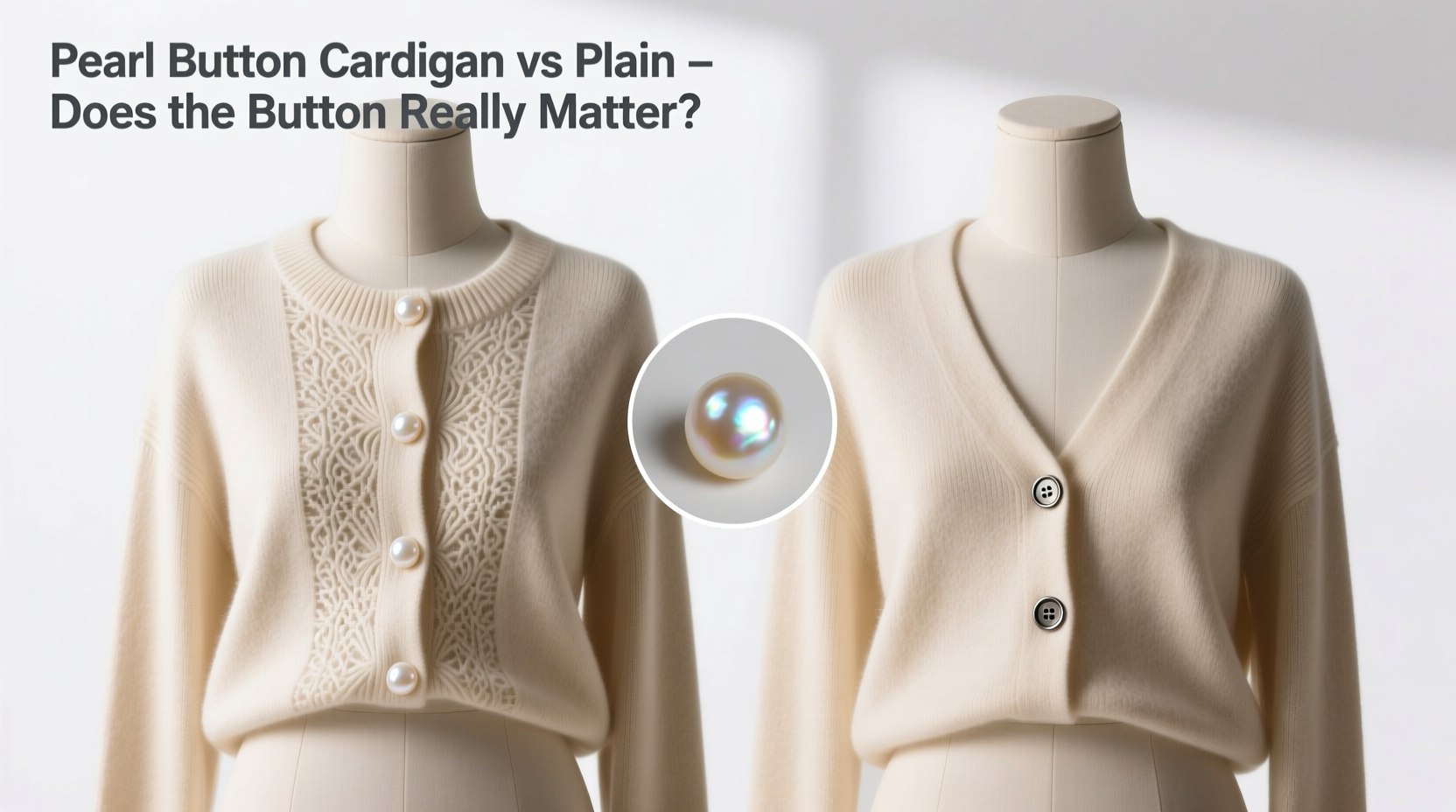
The visual effect of buttons on a cardigan is often underestimated. Buttons are focal points—especially down the front placket—and contribute heavily to the garment's overall character.
Pearl buttons, typically made from synthetic resins that mimic natural shell, offer a soft luster and refined elegance. They catch light subtly, adding depth and dimension to the knitwear. This makes them ideal for elevated casual looks or semi-formal settings. Designers often use pearl buttons on premium cashmere or fine merino wool cardigans to signal quality and attention to detail.
In contrast, plain buttons—usually matte plastic, horn, or wood—are understated. They blend into the fabric, allowing the texture and drape of the cardigan to take center stage. These are common in minimalist, utilitarian, or workwear-inspired designs where subtlety is key.
Durability and Longevity: What Holds Up Over Time?
Functionally, buttons must withstand repeated fastening, washing, and general wear. Here, material composition becomes critical.
Pearl buttons, while attractive, are more prone to chipping or cracking if struck against hard surfaces. Their glossy surface can also degrade with frequent machine washing, especially at high temperatures. However, when sewn securely with reinforced stitching and cared for properly, they can last years without issue.
Plain buttons made from durable materials like corozo (vegetable ivory), horn, or high-grade polyester tend to be more resilient. Matte finishes hide scratches better, and their simpler construction often means fewer weak points. That said, cheap plastic plain buttons can become brittle over time, leading to breakage or discoloration.
“Button longevity depends less on appearance and more on attachment method and material integrity. A well-sewn horn button will outlast a poorly mounted pearl one.” — Lena Ruiz, Textile Conservator & Garment Archivist
Cost and Value Comparison
There’s a noticeable price gap between cardigans featuring pearl versus plain buttons. But is the extra cost justified?
| Feature | Pearl Button Cardigan | Plain Button Cardigan |
|---|---|---|
| Average Price Point | $75–$150+ | $40–$90 |
| Perceived Quality | High (luxury signal) | Moderate to high (depends on fabric) |
| Wash Durability | Moderate (hand-wash recommended) | High (many machine-wash safe) |
| Fashion Longevity | Classic, enduring appeal | Versatile across trends |
| Repair & Replacement Ease | Slightly harder (specialty buttons) | Easier (standard sizes available) |
The premium associated with pearl buttons often reflects broader craftsmanship—not just the button itself, but better stitching, lining, and fabric quality. Still, some brands inflate prices based on perceived luxury rather than actual construction improvements.
Real Example: Sarah’s Wardrobe Dilemma
Sarah, a marketing professional in her early 30s, purchased two nearly identical merino wool cardigans—one with pearl buttons, the other with matte black plain buttons. Both were from reputable mid-range brands. After one year of regular wear and gentle machine washing, the pearl-buttoned cardigan showed slight fading on the shank attachments, and one button had cracked after snagging on a bag strap. The plain-button version remained intact, with no visible wear. While Sarah still preferred the look of the pearl version, she admitted the plain one required less worry and care.
This case illustrates that real-world performance doesn’t always align with aesthetic expectations. Personal habits—like how often you wash, travel with, or layer garments—can tip the balance toward practicality over prettiness.
Care and Maintenance: Preserving Your Investment
Maintenance needs differ significantly between button types, affecting long-term satisfaction.
Pearl buttons benefit from hand-washing or delicate cycle use with a laundry bag. Exposure to chlorine, saltwater, or strong detergents can dull their finish. Air drying flat prevents stress on seams and reduces risk of popping. Periodic inspection of thread tension helps prevent sudden loss—a single missing pearl button can disrupt symmetry and reduce resale value.
Plain buttons, particularly those made from natural materials, are generally lower maintenance. Many resist water damage better and tolerate occasional machine washing. However, wooden or corozo buttons should still be kept away from prolonged moisture to avoid warping.
Step-by-Step Care Guide for Buttoned Cardigans
- Before Washing: Fasten all buttons to reduce strain on the placket and prevent snagging.
- Choose Method: Hand-wash pearl-buttoned styles; plain-buttoned ones may follow fabric label instructions.
- Use Gentle Detergent: Wool-specific or mild pH-neutral formulas preserve fibers and finishes.
- Dry Flat: Reshape while damp to maintain fit and prevent stretching near buttonholes.
- Inspect Monthly: Check for loose threads, weakened shanks, or misshapen buttons.
- Store Properly: Fold neatly or hang on padded hangers—avoid wire racks that distort shoulders.
When Button Choice Matters Most
Not every situation demands careful button consideration. For loungewear or hidden layers, plain buttons are perfectly sufficient. But in certain contexts, the distinction becomes meaningful:
- Professional Settings: Pearl buttons convey refinement, making them suitable for client meetings or business-casual environments.
- Photography & Public Appearances: On camera, pearl buttons add subtle shine that enhances presence without being flashy.
- Heirloom Pieces: If you intend to pass down a cardigan, pearl buttons contribute to its timeless charm and collectible quality.
- Climate Considerations: In humid or coastal areas, plain resin or horn buttons may outperform pearl ones, which can degrade faster under salty air exposure.
Checklist: Choosing the Right Button Type for You
- ☐ Assess your daily routine—do you need rugged durability or quiet elegance?
- ☐ Consider washing frequency—will you hand-wash or rely on machines?
- ☐ Evaluate your existing wardrobe—do pearl accents complement your style?
- ☐ Set a budget—be wary of paying only for cosmetic upgrades.
- ☐ Prioritize fabric first—button quality matters less on low-grade knits.
Frequently Asked Questions
Do pearl buttons come off easily?
Not inherently, but they require secure shank attachment. Mass-produced versions may use weaker adhesives or thin thread, increasing detachment risk. Well-made pearl buttons sewn with double-threading are quite secure.
Can I replace plain buttons with pearl ones later?
Yes, but it’s labor-intensive. Replacing buttons requires matching size, hole pattern, and spacing. It’s best done by a tailor to avoid damaging the knit structure. Consider whether the aesthetic upgrade justifies the cost and effort.
Are pearl buttons eco-friendly?
Most modern “pearl” buttons aren’t natural—they’re made from synthetic resins derived from petrochemicals. True mother-of-pearl is sustainable only if sourced ethically, but it’s rare in mainstream fashion. Corozo or recycled cellulose buttons are greener alternatives.
Final Thoughts: Function Meets Fashion
The choice between a pearl button cardigan and a plain one isn’t merely cosmetic—it reflects values in design, durability, and personal expression. Pearl buttons bring elegance and a touch of luxury, signaling craftsmanship and intentionality. Plain buttons prioritize practicality, blending seamlessly into diverse wardrobes with minimal upkeep.
Ultimately, the “right” button depends on how you live in your clothes. If you cherish pieces that age gracefully and appreciate small details, pearl buttons may be worth the investment. If ease, resilience, and versatility top your list, plain buttons deliver quiet reliability.
Whatever you choose, remember that lasting style comes not from isolated features, but from thoughtful alignment between garment and wearer.




 浙公网安备
33010002000092号
浙公网安备
33010002000092号 浙B2-20120091-4
Comments
No comments yet. Why don't you start the discussion?