
Keychains are more than just functional accessories—they’re personal statements. Whether clipped to a bag, looped through a belt, or jingling in your pocket, they reflect taste, sentiment, and lifestyle. Two of the most popular styles—pendant keychains and beaded keychains—offer distinct aesthetics and practical differences. But when it comes to longevity and visual appeal, which one truly stands out? This article breaks down materials, construction, wear patterns, and design versatility to help you choose the keychain that not only looks great today but still turns heads years from now.
Durability: How Materials Shape Longevity
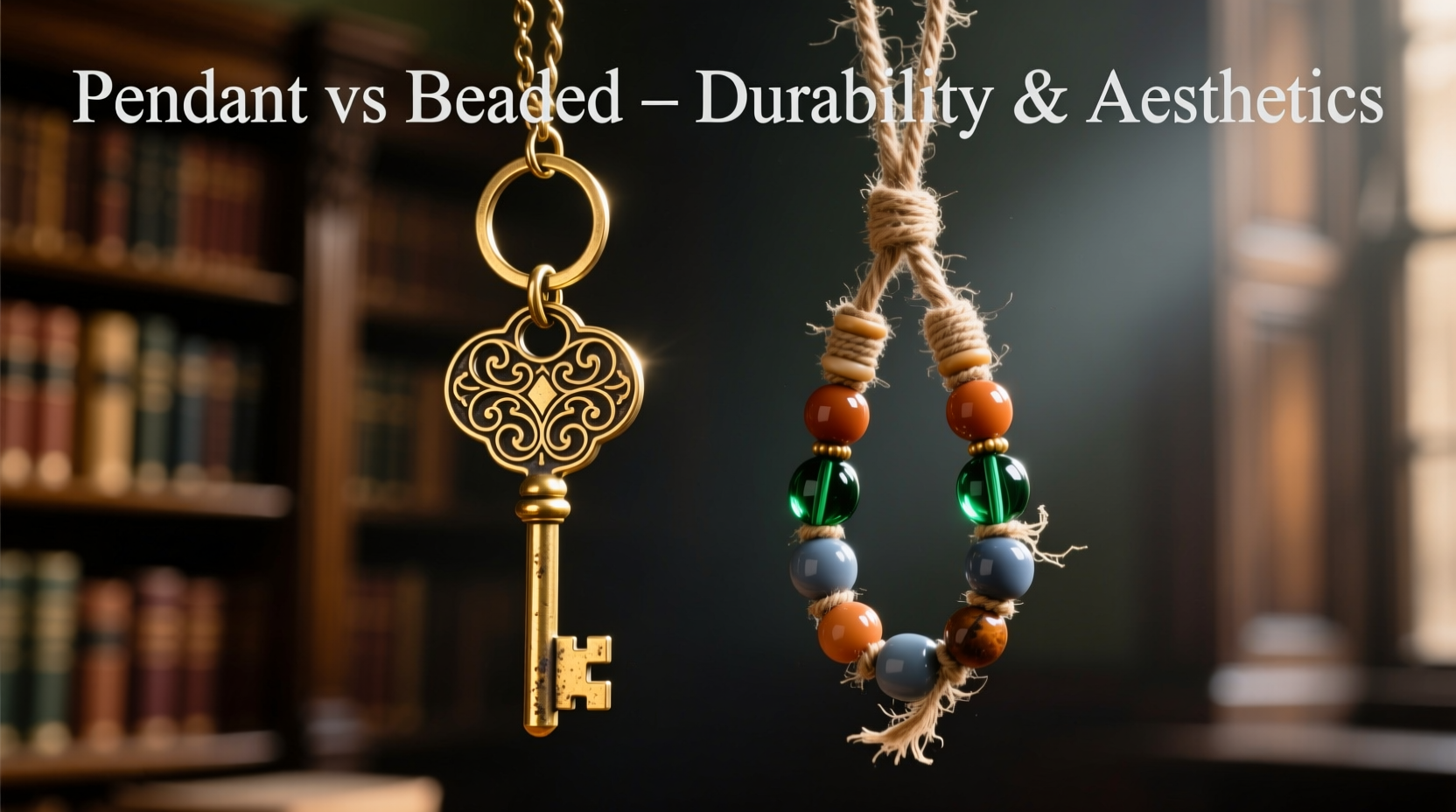
The lifespan of a keychain depends heavily on its core materials and how those materials respond to daily stressors like friction, moisture, impact, and UV exposure.
Pendant keychains are typically made from metal (stainless steel, brass, aluminum), wood, leather, or resin. Metal pendants, especially those with polished or anodized finishes, resist corrosion and scratching remarkably well. Stainless steel models can last decades with minimal care. Wooden pendants, while elegant, may crack over time if exposed to humidity or sudden temperature changes. Resin pendants offer creative designs but can yellow or chip under prolonged sun exposure.
Beaded keychains, on the other hand, are often crafted from glass, acrylic, stone, or ceramic beads strung on elastic cord, nylon thread, or thin metal chains. While visually vibrant, their structure introduces weak points. The stringing material degrades over time due to constant flexing and tension. Elastic cords lose elasticity; nylon frays. Even high-quality silk-thread beading can weaken after months of use. Beads themselves may chip at the edges or break upon impact—especially glass or ceramic types.
Design & Aesthetic Appeal Over Time
Aesthetics play a major role in keychain selection. Pendant styles tend to project sophistication and minimalism. A sleek engraved metal tag or a polished wooden disc offers timeless elegance. These pieces age gracefully—developing a patina that many find appealing. Engraved details remain legible for years, and polished surfaces can be buffed back to shine with minimal effort.
Beaded keychains excel in color, texture, and artistic expression. They’re ideal for bohemian, playful, or culturally inspired looks. However, aesthetic longevity is a concern. Bright dyes in acrylic or fabric-wrapped beads can fade in sunlight. Matte finishes attract oils from skin, leading to dullness. Mismatched bead tension causes sagging or twisting, making the piece look uneven over time.
That said, artisan-crafted beaded keychains using stabilized gemstone beads and reinforced knotting techniques can maintain their beauty far longer than mass-produced versions. The craftsmanship directly influences both appearance and endurance.
“Durability isn’t just about material strength—it’s about structural integrity. A well-made pendant resists wear inherently, while a beaded chain relies on consistent tension and durable threading.” — Lena Torres, Accessory Design Consultant
Comparison Table: Pendant vs Beaded Keychains
| Feature | Pendant Keychain | Beaded Keychain |
|---|---|---|
| Material Durability | High (metal, wood, resin) | Moderate to low (beads + thread) |
| Lifespan (Average) | 5–10+ years | 1–3 years (with regular use) |
| Style Versatility | Formal to casual | Casual, artistic, thematic |
| Maintenance Needs | Low (wipe clean) | Moderate (check knots, avoid moisture) |
| Impact Resistance | High (solid build) | Low (fragile beads, snapping risk) |
| Fade Resistance | High (especially metal) | Variable (dyes may fade) |
Real-World Performance: A Mini Case Study
Consider Sarah, a graphic designer who uses her keychain daily. She owns two: a brushed stainless steel pendant engraved with her initials and a colorful beaded tassel keychain made with glass beads and cotton thread.
After six months of daily use—clipped to her tote, dropped on pavement, exposed to rain—the pendant shows only light surface scuffs, easily polished away. The engraving remains crisp. In contrast, the beaded keychain has three cracked beads near the clasp, the tassel fibers are frayed, and the string has stretched, causing misalignment. While still usable, its visual appeal has diminished significantly.
Sarah continues to use both but now reserves the beaded version for lighter-duty occasions—like attaching to a journal or gifting. For everyday carry, she defaults to the pendant. Her experience mirrors broader user trends: functional reliability often outweighs decorative charm in long-term accessory choices.
Maintenance Tips for Maximizing Lifespan
Regardless of style, proper care extends life. Here’s how to keep each type looking its best:
Pendant Keychain Care
- Wipe with a soft, dry cloth weekly to remove oils and dust.
- For metal pendants, use a jewelry polishing cloth every few months.
- Avoid submerging wooden or resin pendants in water.
- Store separately to prevent scratching against keys or other metal objects.
Beaded Keychain Care
- Inspect knots or crimps monthly for signs of wear.
- Keep dry—moisture weakens adhesives and threads.
- Rotate usage to reduce strain on the stringing material.
- Re-string every 12–18 months as preventive maintenance.
Which Looks Better? Subjectivity Meets Practicality
Beauty is subjective, but certain factors influence lasting visual appeal. Pendant keychains offer consistency. Their solid form maintains shape, alignment, and finish over time. Minimalist designs enhance modern wardrobes; personalized engravings add emotional value. They complement professional attire without drawing excessive attention.
Beaded keychains win in personality. No two are exactly alike, especially handmade ones. They serve as conversation starters and mood enhancers with their colors and textures. However, their dynamic look fades faster. Sagging strands, chipped beads, and frayed ends detract from their original charm.
If “looking better” means staying pristine and polished over years, pendants have the edge. If it means expressing individuality and vibrancy—even at the cost of shorter peak appearance—beaded styles shine.
FAQ: Common Questions Answered
Can I repair a broken beaded keychain?
Yes, in most cases. Re-stringing with stronger material like waxed nylon or thin stainless steel wire can restore function and appearance. Many jewelers offer this service for $10–$20.
Are pendant keychains more expensive?
Generally, yes—especially those made from solid metal or custom-engraved materials. However, their longer lifespan often makes them more cost-effective per year of use compared to replacing beaded versions annually.
Do pendant keychains scratch easily?
It depends on the finish and material. Brushed stainless steel resists scratches well. Polished brass may show fine marks but can be re-polished. Softer metals like aluminum scratch more easily but develop a lived-in character some users appreciate.
Final Verdict: Choose Based on Use Case
For everyday carry, rugged environments, or long-term investment in a single accessory, the pendant keychain is superior in both durability and sustained appearance. Its robust construction withstands drops, weather, and friction far better than beaded alternatives.
Beaded keychains are best suited for light use, seasonal rotation, or as expressive gifts. They bring joy and artistry but require more frequent replacement or repair.
Ultimately, the best choice balances personal style with practical demands. Some users opt for both—a durable pendant for daily use and a beaded piece for flair on weekends or special occasions.




 浙公网安备
33010002000092号
浙公网安备
33010002000092号 浙B2-20120091-4
Comments
No comments yet. Why don't you start the discussion?