
In the evolving world of personal style, jewelry has become more than decoration—it’s a language. Among the most visible accessories, necklaces speak volumes about identity, taste, and intention. For decades, the plain chain reigned supreme: a symbol of minimalism, masculinity, or understated elegance. But today, the pendulum is swinging. Pendant necklaces are no longer just sentimental keepsakes or religious symbols—they’re bold statements, artistic expressions, and functional fashion tools. So, is it time to let go of the bare chain and embrace the power of the pendant?
The answer isn’t absolute, but the trend is clear. From runways to streetwear, influencers to legacy jewelers, the emphasis is shifting toward meaningful, layered, and personalized designs. The plain chain, once a staple, risks fading into background noise unless elevated with purpose.
The Rise of the Statement Pendant
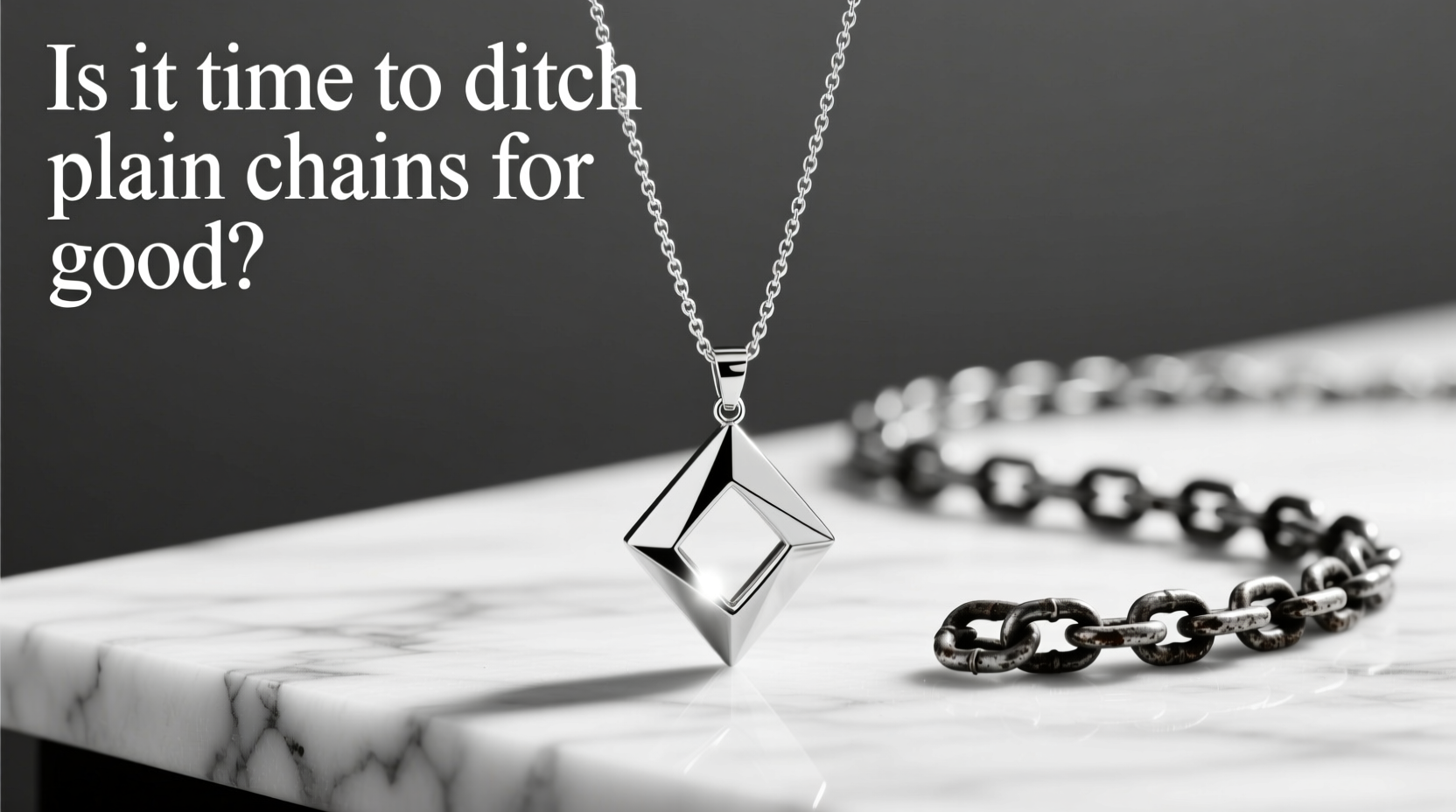
Gone are the days when pendants were reserved for lockets or crosses. Today’s pendant necklaces blend artistry with individuality. Designers are crafting pieces that serve as conversation starters—geometric talismans, celestial motifs, engraved initials, or even miniature sculptures. These aren’t just add-ons; they’re focal points.
Fashion houses like Gucci, Tiffany & Co., and Mejuri have pushed boundaries by integrating storytelling into their pendant lines. A single piece can represent heritage, commemorate milestones, or reflect spiritual beliefs. This depth of meaning gives pendants an emotional edge over the aesthetic-only appeal of a plain chain.
Functionality and Versatility Compared
One common argument for plain chains is their versatility. A simple gold or silver link can be worn daily, dressed up or down, and paired with almost anything. But modern pendant necklaces challenge this notion by offering unmatched adaptability through layering and interchangeability.
Consider the “stackable” approach: multiple delicate chains of varying lengths, each carrying a different pendant. One might hold a birthstone, another a tiny compass, and a third a minimalist bar with a loved one’s handwriting. This creates a dynamic, customizable look that evolves with mood and occasion—something a single plain chain simply can’t replicate.
“Pendants transform a necklace from an accessory into an extension of self.” — Lila Monroe, Jewelry Curator at Atelier Collective
Pendant vs. Chain: A Practical Comparison
| Feature | Plain Chain | Pendant Necklace |
|---|---|---|
| Style Impact | Minimal, subtle | Bold, expressive |
| Personalization | Limited (material, length) | High (symbolism, engraving, design) |
| Versatility | High for neutral styling | High when layered or swapped |
| Durability | Generally high (few weak points) | Depends on clasp and pendant attachment |
| Maintenance | Easy to clean and store | May require extra care for intricate pendants |
| Emotional Value | Rarely symbolic | Often deeply meaningful |
When a Plain Chain Still Makes Sense
Despite the rise of pendants, there remains a place for the unadorned chain. In certain contexts, simplicity wins. Think of a sleek platinum curb chain under a tailored shirt, or a fine box chain paired with a little black dress—minimalist elegance that doesn’t compete with other elements of an outfit.
For men, especially in professional settings, a plain chain often strikes the right balance between presence and discretion. It suggests confidence without distraction. And in cultures where jewelry carries specific connotations, a bare chain may be preferred for its neutrality.
That said, even traditionalists are beginning to experiment. A small, discreet pendant—like a subtle “evil eye” charm or a micro-bar with initials—can elevate a classic chain without compromising its clean aesthetic.
How to Transition from Plain Chains to Pendants
If you’ve built your jewelry collection around chains, switching to pendants doesn’t mean starting over. It means upgrading. Here’s a step-by-step guide to making the shift thoughtfully:
- Assess your current collection: Identify which chains are most worn and what length/style suits you best.
- Start with one statement pendant: Choose something timeless—a solitaire gemstone, a simple cross, or a monogrammed tag.
- Experiment with layering: Combine a short pendant necklace with a longer plain chain for visual interest.
- Swap pendants seasonally: Use interchangeable clasps to change your look—floral motifs in spring, geometric shapes in winter.
- Invest in quality hardware: Ensure your chains have secure lobster or spring ring clasps to support pendants safely.
Real Example: The Office-to-Event Transformation
Take Marcus, a 34-year-old architect who wore only a 20-inch silver Figaro chain for years. While reliable, he noticed his style felt stagnant. On a colleague’s suggestion, he added a matte black onyx pendant shaped like an architectural column—a nod to his profession.
The result? His coworkers commented on the “new vibe.” The same chain now had personality. By removing the pendant during client meetings and adding it for evening events, Marcus gained two distinct looks from one piece. The pendant didn’t replace the chain—it empowered it.
Common Misconceptions About Pendants
- “Pendants look gaudy.” Not if chosen with intention. A well-proportioned pendant enhances, not overwhelms.
- “They’re only for women.” Historically inaccurate. Cultures worldwide—from ancient Egypt to West Africa—have used symbolic pendants in male adornment.
- “They’re fragile.” With proper materials (e.g., stainless steel, solid gold), pendants can be as durable as any chain.
Checklist: Upgrading Your Chain Game
- ✅ Audit your existing chains: Which do you wear most?
- ✅ Define your style goal: Minimalist, bold, sentimental?
- ✅ Select one versatile pendant to start
- ✅ Test layering combinations
- ✅ Invest in a cleaning cloth and storage pouch
- ✅ Consider engraving for personal significance
- ✅ Rotate pendants monthly to keep your look fresh
FAQ
Can I turn my plain chain into a pendant necklace?
Absolutely. Many jewelers offer pendant conversion services. You can also purchase a pendant bail or clip-on adapter to attach a charm or stone without altering the chain.
Are pendant necklaces suitable for everyday wear?
Yes, especially if made from durable materials like sterling silver, titanium, or 14k gold. Just avoid wearing them during high-impact activities or while swimming to preserve longevity.
What’s the ideal pendant size for a 20-inch chain?
For a balanced look, choose a pendant between 15–25mm in height. Larger pendants work for dramatic effect; smaller ones suit subtlety.
Conclusion: Elevate, Don’t Eliminate
The question isn’t whether to ditch plain chains entirely—but whether to let them evolve. The era of jewelry as mere ornamentation is giving way to a deeper, more intentional approach. Pendants offer storytelling, symbolism, and style flexibility that plain chains alone cannot match.
You don’t have to abandon your favorite chain. Instead, consider what it could become with the right addition. A pendant isn’t a replacement; it’s an upgrade. It transforms routine accessorizing into an act of self-expression.




 浙公网安备
33010002000092号
浙公网安备
33010002000092号 浙B2-20120091-4
Comments
No comments yet. Why don't you start the discussion?