
Walk into any activewear store or scroll through online fitness gear, and you’ll see it: performance fabric shorts dominating the scene. Marketed as sweat-wicking, odor-resistant, and built for movement, they often come with a premium price tag. Meanwhile, polyester-cotton blends remain a staple in casual and athletic wardrobes—affordable, soft, and widely available. But is the performance fabric revolution truly worth the extra cost, or is it just clever branding capitalizing on fitness trends?
The answer isn’t black and white. It depends on how you use your shorts, what you value in wearability, and whether long-term investment outweighs short-term savings. Let’s dissect both materials to uncover where each excels—and where the marketing might be stretching the truth.
Understanding the Materials: What Are Performance Fabrics?
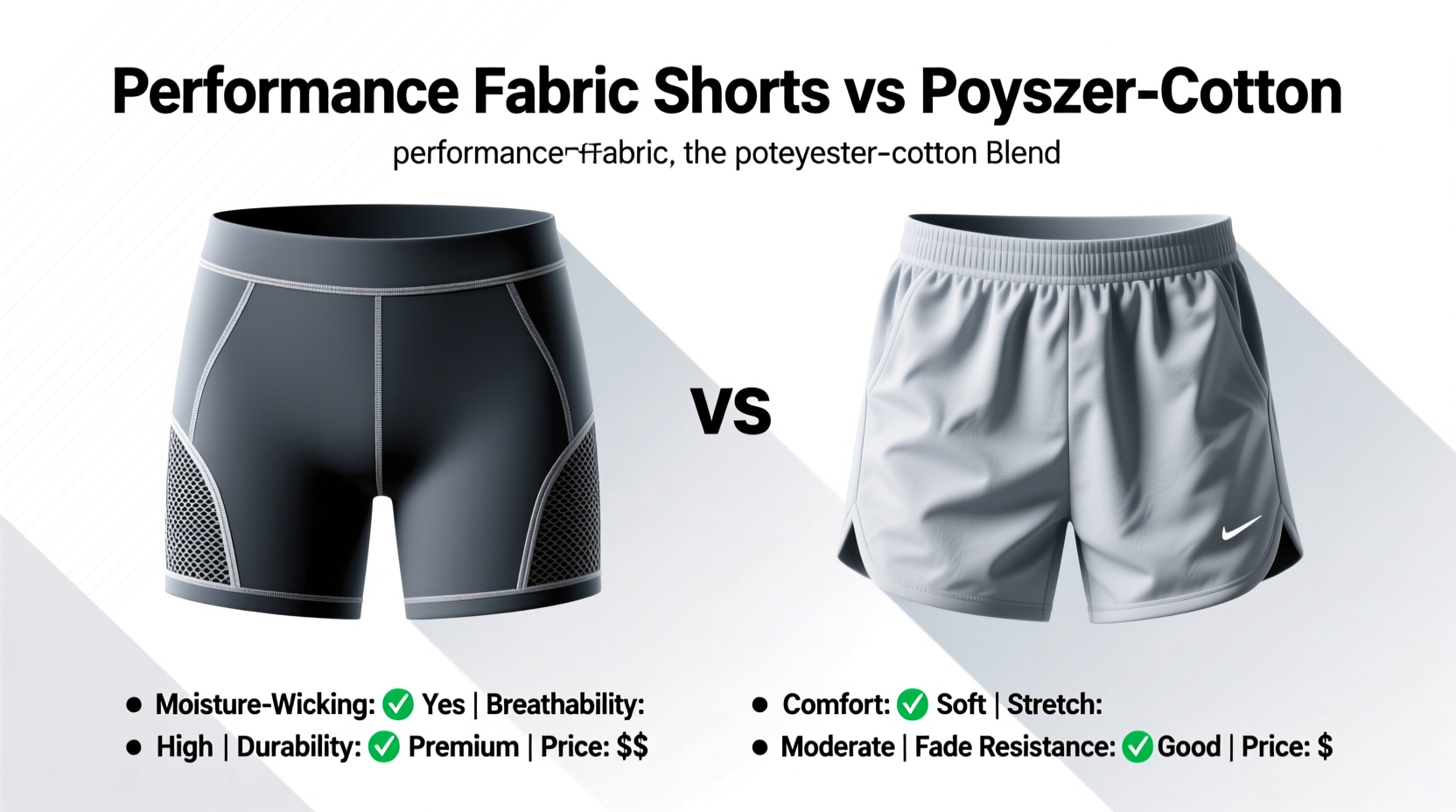
“Performance fabric” isn't a single material but a category of engineered textiles designed to enhance physical activity. These fabrics typically blend synthetic fibers like polyester, nylon, or spandex with advanced treatments such as moisture-wicking coatings, antimicrobial finishes, and four-way stretch technology.
Common features include:
- Moisture-wicking: Pulls sweat away from the skin to the fabric’s surface for quick evaporation.
- Quick-drying: Dries significantly faster than natural fibers.
- Stretch and recovery: Allows freedom of movement without bagging out over time.
- Odor resistance: Often treated with silver-ion or polygiene tech to inhibit bacterial growth.
- Durability: Resists pilling, abrasion, and repeated washing better than basic blends.
Brands like Lululemon, Nike, and Under Armour have popularized these fabrics in their premium lines, positioning them as essential for serious athletes and active lifestyles alike.
Polyester-Cotton Blends: The Everyday Workhorse
Polyester-cotton blends—often in ratios like 65% polyester / 35% cotton—are the backbone of affordable activewear and casual shorts. This hybrid combines the softness and breathability of cotton with the wrinkle resistance and durability of polyester.
However, this balance comes with trade-offs:
- Absorbs moisture but dries slowly: Cotton soaks up sweat, which can lead to discomfort during intense activity.
- Limited stretch: Unless spandex is added, movement can feel restricted.
- Prone to odor buildup: Cotton retains bacteria more easily, leading to lingering smells after use.
- Shrinking and fading: Over time and washes, cotton-rich blends may shrink or lose color vibrancy.
Despite these drawbacks, polyester-cotton remains popular because it’s comfortable for light activity, easy to care for, and usually priced 30–60% lower than high-end performance shorts.
“Many consumers don’t need lab-grade performance fabrics for weekend walks or gym sessions under an hour. For moderate use, a good polyester-cotton blend offers excellent value.” — Dana Reeves, Textile Analyst at ActiveWear Insights
Head-to-Head Comparison: Performance Fabric vs Polyester-Cotton
| Feature | Performance Fabric Shorts | Polyester-Cotton Shorts |
|---|---|---|
| Maintains Dryness During Activity | Excellent (wicks sweat efficiently) | Fair (absorbs sweat, feels damp) |
| Drying Time After Wash | 1–2 hours | 4–6 hours |
| Stretch & Mobility | High (four-way stretch common) | Low to Moderate (unless blended with spandex) |
| Odor Resistance | High (with antimicrobial treatment) | Low (cotton traps odor-causing bacteria) |
| Long-Term Durability | High (resists pilling, shape retention) | Moderate (may pill or sag after months) |
| Price Range (USD) | $45–$90+ | $15–$35 |
| Best For | Running, HIIT, hiking, frequent workouts | Casual wear, light exercise, lounging |
Real-World Example: A Week in the Life of Two Shorts
Consider Mark, a software developer who also trains for half-marathons three times a week. He owns two pairs of shorts: a $78 pair made with premium performance fabric and a $22 polyester-cotton pair from a budget retailer.
On Monday, he wears the performance shorts for a tempo run. Post-workout, they’re barely damp, still lightweight, and show no signs of chafing. He tosses them in the wash and they’re dry by evening.
On Wednesday, he grabs the polyester-cotton pair for a lunchtime walk. They feel soft and cool initially, but halfway through, sweat begins to cling. After washing, they take all day to dry and start developing a faint odor after just two uses.
By Friday, the performance shorts look and feel like new. The polyester-cotton pair already shows slight pilling and has developed a musty smell despite regular washing.
This isn’t an isolated case. Frequent use exposes the limitations of blended fabrics in high-moisture environments. For someone like Mark, the higher upfront cost pays off in comfort, hygiene, and longevity.
When Is the Hype Justified?
The value of performance fabric shorts hinges on usage intensity. If your routine involves:
- Sweat-heavy workouts (HIIT, running, cycling)
- Frequent laundering or travel
- Need for odor control (e.g., back-to-back classes)
- Desire for consistent fit and appearance over time
—then yes, the investment makes sense. The technology delivers measurable improvements in comfort and function.
But if you’re mostly wearing shorts for errands, casual strolls, or occasional gym visits, the performance edge diminishes. In these cases, polyester-cotton offers sufficient comfort at a fraction of the cost.
Action Plan: Choosing the Right Short for Your Lifestyle
- Assess your activity level: How many sweaty workouts do you do per week? More than three? Lean toward performance.
- Check fabric content: Look for at least 85% synthetic (polyester/nylon) with 5–15% spandex for stretch.
- Read care labels: Performance fabrics often require cold washes and no fabric softener to maintain coating integrity.
- Test for breathability: Hold the fabric up to light. More visible gaps mean better airflow.
- Evaluate seams and construction: Flatlock stitching reduces chafing; gusseted crotches improve mobility.
FAQ: Common Questions Answered
Do performance fabric shorts last longer than cotton blends?
Yes, generally. High-quality performance fabrics resist pilling, retain elasticity, and withstand frequent washing better than most polyester-cotton blends. With proper care, they can last 2–3 years of regular use, compared to 6–12 months for budget blends.
Can I machine wash performance shorts?
You can, but with caveats. Always wash in cold water, turn inside out, and avoid fabric softeners or dryer sheets, which degrade moisture-wicking treatments. Air drying is best to preserve elasticity and finish.
Are performance fabrics eco-friendly?
Not inherently. Most are petroleum-based and shed microplastics when washed. However, some brands now use recycled polyester (like RPET) and offer microfiber laundry bags to reduce environmental impact. Check for certifications like Bluesign or OEKO-TEX if sustainability matters to you.
Final Verdict: Pricey or Worth Every Penny?
The hype around performance fabric shorts isn’t manufactured—it’s rooted in real textile innovation. For active individuals, the benefits in moisture management, durability, and comfort justify the higher price. They aren’t just pricier; they’re engineered for a purpose.
That said, calling them “better” across the board would be misleading. For low-intensity use, polyester-cotton remains a smart, economical choice. The key is alignment: match the fabric to your lifestyle.
Think of it like footwear. You wouldn’t wear racing spikes to a barbecue, nor Crocs to a 10K. The same logic applies here. Own both if your life spans different levels of activity. Prioritize performance where performance matters.




 浙公网安备
33010002000092号
浙公网安备
33010002000092号 浙B2-20120091-4
Comments
No comments yet. Why don't you start the discussion?