
When it comes to workout clothing, the line between fashion and function has blurred. Athleisure—stylish activewear designed for both gym sessions and casual wear—has taken over wardrobes worldwide. But when push comes to shove in a high-intensity training session, does athleisure hold up? Or should performance T-shirts remain the gold standard for serious exercise?
The answer isn’t as simple as “one is better.” It depends on your activity level, environment, personal comfort, and long-term fitness goals. To make an informed decision, it’s essential to understand what sets these garments apart beyond aesthetics.
Understanding the Key Differences
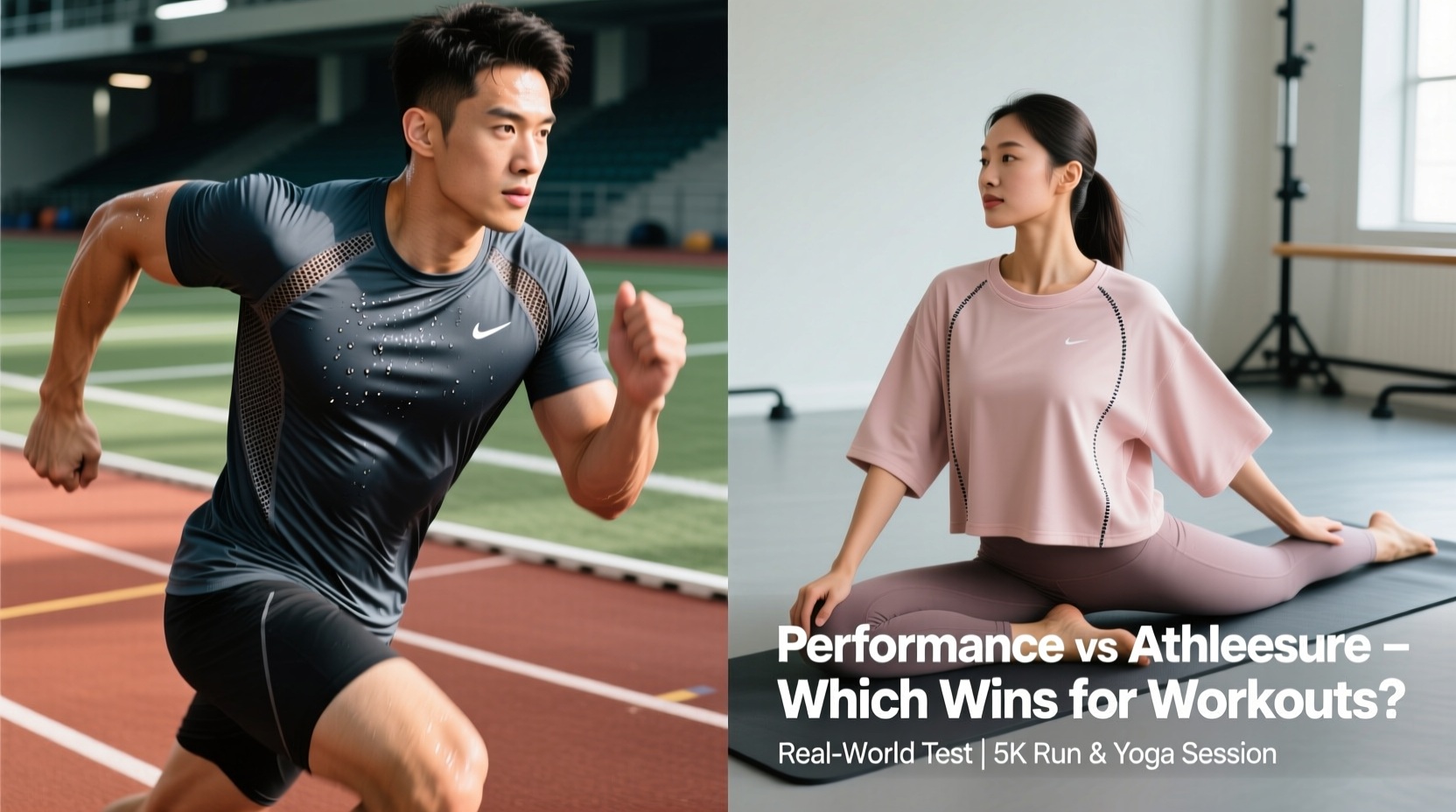
At first glance, performance T-shirts and athleisure tops may look similar—both are often made from synthetic blends, come in neutral or bold colors, and feature modern cuts. However, their design philosophies diverge significantly.
Performance T-shirts are engineered specifically for physical exertion. They prioritize moisture-wicking, breathability, temperature regulation, and freedom of movement. These shirts are typically constructed from technical fabrics like polyester-spandex blends, nylon, or proprietary materials such as Coolmax or Dry-FIT.
Athleisure wear, on the other hand, emphasizes style and versatility. While many pieces are suitable for light workouts or yoga, they’re equally intended for coffee runs, commuting, or lounging. Fabrics might include cotton-rich blends, brushed knits, or heavier materials that feel soft but don’t manage sweat effectively under stress.
Fabric Performance: The Real Workout Decider
The fabric is where the rubber meets the road—especially during intense exercise. Let’s break down how each category performs across key metrics.
| Metric | Performance T-Shirt | Athleisure Top |
|---|---|---|
| Moisture Wicking | Excellent – pulls sweat away quickly | Fair to Poor – absorbs moisture, stays damp |
| Breathability | High – mesh zones and microfibers enhance airflow | Moderate – tighter weaves reduce ventilation |
| Durability | High – resistant to pilling and abrasion | Variable – softer fabrics wear faster |
| Odor Resistance | Often treated with antimicrobial agents | Rarely included; prone to lingering smells |
| Stretch & Mobility | Targeted 4-way stretch for dynamic motion | Limited stretch, more structured cut |
As shown, performance T-shirts outperform athleisure in nearly every functional category critical to sustained physical activity. This doesn’t mean athleisure is useless—it just means its strengths lie elsewhere.
“Clothing impacts thermoregulation, muscle fatigue, and even mental focus during exercise. Choosing the right fabric can improve endurance by up to 15%.” — Dr. Lena Torres, Sports Physiologist at Boulder Human Performance Lab
When Athleisure Works (and When It Doesn’t)
Athleisure excels in low-to-moderate intensity environments. Think walking, stretching, Pilates, or post-workout cooldowns. Its comfort-focused design makes it ideal for transitional wear—going from gym to errands without changing clothes.
However, problems arise when people use athleisure for activities it wasn’t built for:
- Running on a treadmill in humid conditions
- CrossFit or HIIT sessions with rapid movements
- Outdoor cycling or trail hikes in warm weather
- Weightlifting circuits generating heavy perspiration
In these scenarios, cotton-heavy athleisure traps heat, clings to skin when wet, and increases chafing risk. Over time, this can lead to discomfort, overheating, and reduced workout efficiency.
Mini Case Study: The Weekend Warrior’s Mistake
James, a 34-year-old software developer, bought a premium athleisure brand touted as “perfect for gym and street.” Excited, he wore it to his first bootcamp class. Within 15 minutes, the shirt was soaked, sticking to his back and arms. He felt sluggish, overheated, and distracted. After switching to a lightweight performance tee recommended by his trainer, he reported feeling cooler, moving more freely, and completing workouts with less perceived effort.
His experience reflects a common trend: marketing appeal doesn’t always translate to athletic utility.
Choosing Based on Your Fitness Routine
Your workout type should dictate your wardrobe choice. Here’s a practical guide to help match attire with activity.
- High-Intensity Interval Training (HIIT), CrossFit, Running: Always choose a performance T-shirt. Look for flatlock seams, vented panels, and quick-dry technology.
- Yoga, Barre, Mobility Work: Athleisure is acceptable if it allows full range of motion. Prioritize softness and flexibility over wicking ability.
- Strength Training (Moderate Volume): You can get away with athleisure if lifting in a climate-controlled space and not pushing heart rate too high.
- Outdoor Activities (Hiking, Cycling): Stick with performance wear. UV protection, sweat management, and durability matter most here.
- Recovery or Active Rest Days: Athleisure shines. Comfort and aesthetic matter more than functionality.
Expert Checklist: What to Look for in Workout Tops
Use this checklist before purchasing any top meant for exercise:
- ✅ Fabric is at least 85% synthetic (polyester, nylon) with spandex for stretch
- ✅ Labeled as \"moisture-wicking\" or \"quick-dry\"
- ✅ Flat seams to prevent chafing
- ✅ Ventilation zones (mesh underarms, back panels)
- ✅ Antimicrobial treatment to resist odor buildup
- ❌ Avoid cotton blends above 20% for intense workouts
- ❌ Steer clear of stiff finishes or decorative elements that restrict movement
Frequently Asked Questions
Can I wear athleisure to the gym?
Yes—but only if your workout is low-intensity. For anything involving running, jumping, or heavy sweating, you’ll benefit more from performance-specific clothing.
Are performance T-shirts worth the extra cost?
Absolutely. While some retail for $40+, their durability, comfort, and functional advantages justify the price over time. One well-made performance tee lasts longer and performs better than three fast-fashion athleisure tops.
Do performance shirts lose effectiveness after washing?
Some do, especially if washed improperly. Always follow care instructions: wash in cold water, avoid fabric softeners, and air dry when possible. High heat degrades technical coatings over time.
Final Verdict: Function Over Fashion When It Counts
Athleisure has revolutionized how we think about activewear, making fitness culture more accessible and everyday style more comfortable. But when actual performance matters—when you're pushing limits, building endurance, or chasing progress—function must come first.
Performance T-shirts are scientifically designed to support your body under stress. They regulate temperature, reduce friction, and keep you focused on your reps, not your damp shirt clinging to your shoulders.
That said, there’s room for both in your closet. Treat athleisure like smart-casual wear: great for light movement and lifestyle use. Reserve performance gear for when you mean business.
“The best workout clothes aren’t the ones that look best on Instagram—they’re the ones that help you perform at your best.” — Marcus Reed, Head Trainer at Apex Movement Studio
Take Action Today
Review your current workout wardrobe. Identify which tops are truly functional and which are just fashionable. Replace at least one cotton-heavy piece with a certified performance T-shirt. Track how you feel during your next few sessions—chances are, you’ll notice improved comfort, less fatigue, and greater motivation to push harder.




 浙公网安备
33010002000092号
浙公网安备
33010002000092号 浙B2-20120091-4
Comments
No comments yet. Why don't you start the discussion?