
A missed or delayed period can trigger concern, especially if your cycle is usually regular. While a four-day delay isn’t always alarming, it’s natural to question whether something has changed in your body. The menstrual cycle responds to a complex interplay of hormones, lifestyle factors, and overall health. A slight shift may be harmless—but understanding the potential reasons behind a late period helps you determine when to monitor, when to test, and when to seek medical advice.
Common Causes of a 4-Day Late Period
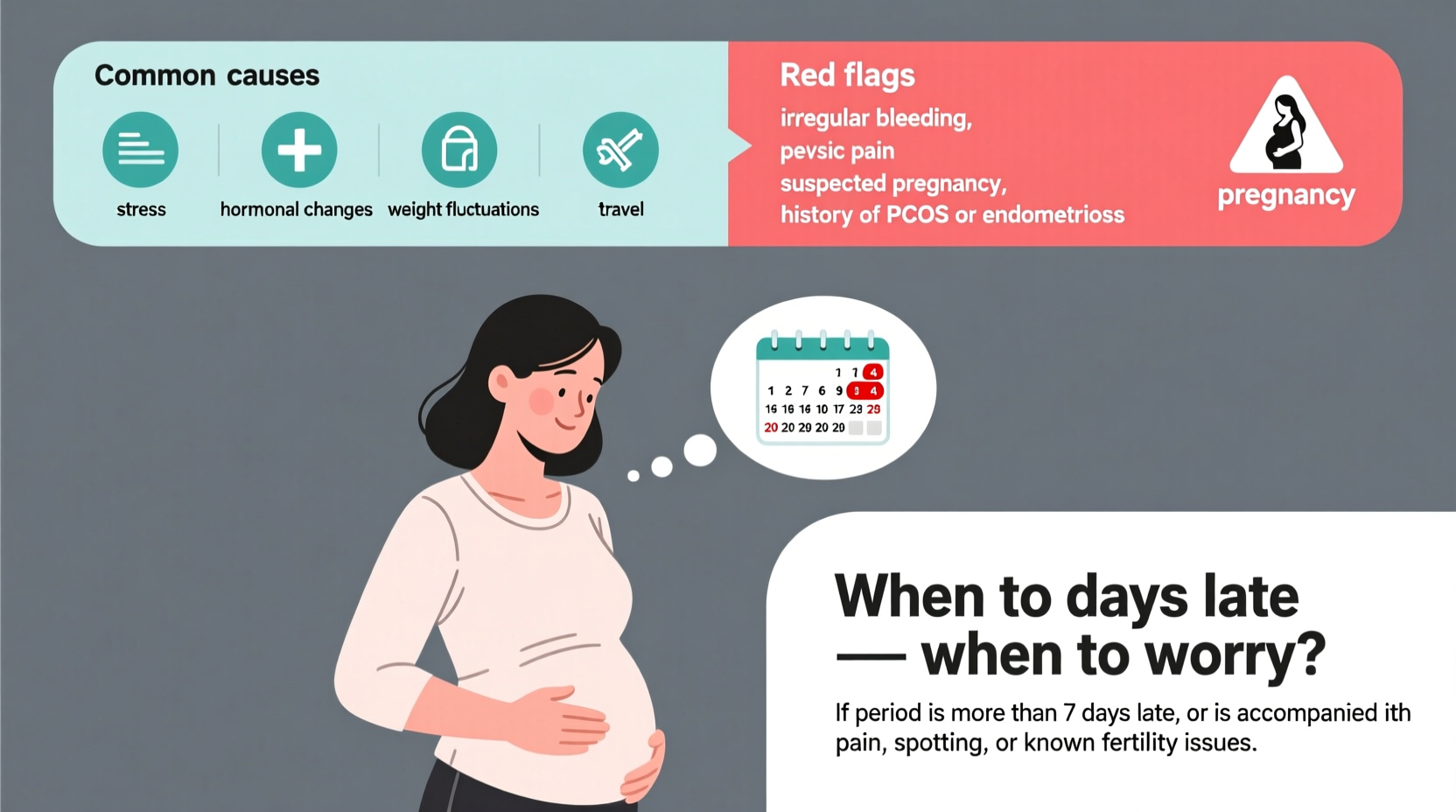
Menstrual cycles vary from person to person, and even those with typically predictable periods may experience occasional irregularities. A delay of four days can stem from multiple sources—some entirely normal, others worth investigating.
- Stress: Emotional or physical stress elevates cortisol, which can interfere with the hypothalamus—the brain region that regulates reproductive hormones. Even short-term stress from work, travel, or personal events may disrupt ovulation and delay menstruation.
- Weight changes: Rapid weight loss or gain affects fat stores that influence estrogen production. Low body fat can halt ovulation; excess weight may cause hormonal imbalances linked to polycystic ovary syndrome (PCOS).
- Exercise intensity: High levels of physical activity, particularly in athletes or those engaging in extreme workouts, can suppress reproductive function, leading to missed or delayed periods.
- Sleep disruption: Chronic sleep deprivation or frequent changes in sleep patterns impact circadian rhythms, which are tied to hormone release and cycle regulation.
- Dietary shifts: Significant changes in nutrition, such as restrictive diets or deficiencies in key nutrients like iron or vitamin B6, may affect cycle timing.
- Hormonal contraception: Birth control pills, IUDs, implants, or injections can alter cycle length or cause spotting instead of full bleeding. After stopping hormonal methods, it may take months for cycles to normalize.
- Perimenopause: For women over 40, fluctuating hormone levels during the transition to menopause often result in irregular periods—even several days’ delay becomes more common.
When Pregnancy Might Be the Cause
Pregnancy is one of the most common reasons for a missed period. If you're sexually active and not using contraception—or if protection failed—a four-day delay could signal conception.
Ovulation typically occurs about 14 days before the next expected period. Sperm can survive up to five days inside the reproductive tract, so intercourse in the days leading up to ovulation can result in pregnancy. Implantation usually happens 6–12 days after fertilization, sometimes causing light spotting mistaken for a period.
Early signs of pregnancy include:
- Breast tenderness
- Fatigue
- Nausea (with or without vomiting)
- Frequent urination
- Mild cramping or bloating
- Heightened sense of smell
“Even subtle changes in cycle length should prompt consideration of pregnancy, especially if unprotected sex occurred recently.” — Dr. Lena Patel, OB-GYN Specialist
If you suspect pregnancy, take a home urine test after the first day of your missed period. Most tests are accurate by then. For inconclusive results, repeat the test in 48 hours or consult a healthcare provider for a blood test, which detects lower levels of hCG earlier than urine tests.
Medical Conditions That Disrupt Menstrual Cycles
Occasional delays are normal, but recurring irregularities may point to underlying conditions requiring evaluation.
| Condition | Description | Symptoms Beyond Delayed Period |
|---|---|---|
| Polycystic Ovary Syndrome (PCOS) | Hormonal disorder affecting ovulation, marked by high androgen levels and ovarian cysts | Acne, excess hair growth, scalp hair thinning, insulin resistance |
| Thyroid disorders | Both hypothyroidism and hyperthyroidism disrupt hormone balance | Weight changes, fatigue, sensitivity to cold or heat, mood swings |
| Premature ovarian insufficiency | Ovaries stop functioning normally before age 40 | Hot flashes, vaginal dryness, infertility |
| Prolactinoma | Benign tumor causing excess prolactin, suppressing ovulation | Milky nipple discharge, headaches, vision changes |
These conditions often require diagnostic testing—such as blood work for hormone levels or imaging like ultrasounds—to confirm. Early diagnosis improves long-term outcomes, especially for fertility and metabolic health.
When to Worry: Red Flags and Next Steps
A single instance of a four-day delay rarely indicates serious trouble. However, certain circumstances warrant closer attention.
Timeline: What to Do Over the Next Week
- Day 1–2 of delay: Monitor for early pregnancy symptoms. Avoid panic; stress can further delay your period.
- Day 3–4: Consider taking a pregnancy test if your period doesn't start, especially if you had recent unprotected sex.
- Day 5–7: Repeat the test if the first was negative but your period still hasn’t arrived. Look for other symptoms like pelvic pain or unusual discharge.
- After 7 days: Contact your healthcare provider if you continue to miss your period, particularly if you have a history of regular cycles or are trying to conceive.
Warning Signs That Require Medical Evaluation
- No period for more than three consecutive cycles (amenorrhea)
- Severe abdominal pain
- Unexplained weight loss or gain
- Visible signs of hormonal imbalance (e.g., facial hair, acne)
- History of eating disorders or extreme exercise routines
- Known thyroid issues or PCOS
Real-Life Scenario: Understanding Individual Variation
Samantha, a 28-year-old teacher, noticed her period was four days late. Her cycle had been consistent for years, so she immediately worried about pregnancy despite using condoms consistently. She also started a new job two weeks prior and was sleeping only five to six hours per night due to anxiety and preparation.
She took a pregnancy test on day four—it came back negative. Instead of panicking, she began tracking her basal body temperature and observed that she hadn’t yet ovulated that month. Two days later, her period began lightly. Upon reflection, Samantha realized her stress levels were at an all-time high. Her doctor confirmed that acute stress likely suppressed ovulation, delaying her cycle. With improved sleep and mindfulness practices, her next period returned on time.
This example illustrates how temporary lifestyle disruptions can influence menstruation—even in otherwise healthy individuals with regular cycles.
Frequently Asked Questions
Can I be pregnant if my test is negative and my period is late?
Yes, especially if you tested too early. Human chorionic gonadotropin (hCG) levels double every 48 hours in early pregnancy. A test taken just a few days after a missed period might not detect low hormone levels. Wait 48–72 hours and retest with first-morning urine for best accuracy.
How long can stress delay my period?
Stress can delay menstruation by a few days to several weeks. Acute stress may push ovulation back temporarily, while chronic stress can lead to prolonged absence of periods. Resolving the source of stress often restores normal cycling within one to two months.
Is it normal for my period to be irregular some months?
Minor variations (up to 7–10 days) are common, especially in teens and women approaching perimenopause. However, consistently irregular cycles should be evaluated to rule out hormonal imbalances or reproductive disorders.
Final Thoughts and Action Plan
A period four days late is often nothing to fear. In most cases, it reflects normal fluctuations influenced by stress, lifestyle, or hormonal shifts. But awareness and proactive monitoring make all the difference. Don’t ignore persistent changes—your menstrual cycle is a vital sign of overall health.
Keep a symptom diary, use reliable tracking tools, and don’t hesitate to consult a healthcare professional if delays become frequent or are accompanied by other concerns. Whether you’re planning a family, managing a condition, or simply seeking reassurance, timely action supports both reproductive wellness and peace of mind.




 浙公网安备
33010002000092号
浙公网安备
33010002000092号 浙B2-20120091-4
Comments
No comments yet. Why don't you start the discussion?